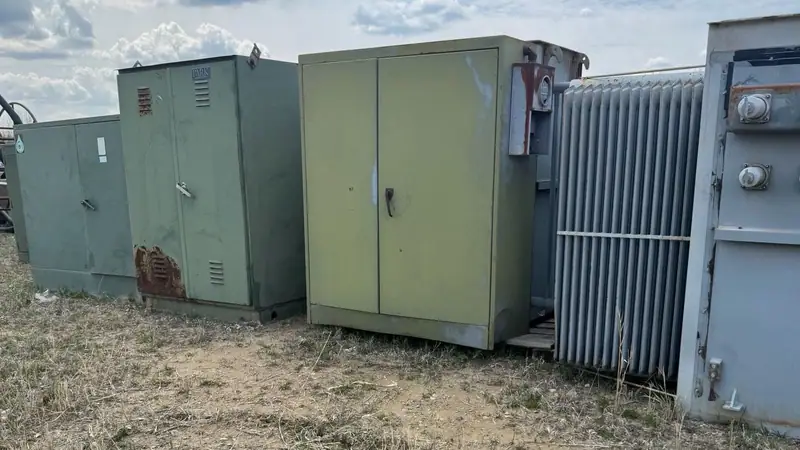
How to sell a transformer: send photos and nameplate data
Start by showing us what you have and where it sits. Call or text 951-403-5738, or use our online offer form. Include the pickup town or ZIP code, the number of transformers and whether each unit is installed, disconnected, stored indoors or sitting in a yard.
Clear nameplate photos help us identify the electrical ratings without guessing. Our guide to transformer photos to send explains which views are useful. For an initial review, send:
- A readable nameplate showing manufacturer, serial number, kVA or MVA, primary and secondary voltages, and phase.
- Full-unit photos from several sides, including cabinets, bushings and connection compartments where safely accessible.
- Photos of leaks, dents, corrosion, broken parts or missing components.
- A wider view showing the route to the loading area and nearby obstructions.
For multiple units, label each photo group so we can match the nameplate to the correct transformer. If a plate is damaged or unreadable, send the information you have rather than estimating its rating.
- Send photos and the nameplate.Call, text 951-403-5738 or use the offer form. Add the location and how the unit can be reached.
- Get a written offer.We review type, kVA, voltages, age, condition, fluid and PCB status, then put the number in writing.
- We arrange pickup and pay.Rigging, forklift or crane and trucking are coordinated with you. Payment by check, ACH or wire under the agreed terms.
We review condition, fluid, PCB status and available tests
We review the transformer’s type, capacity, voltages, age and condition. A dry-type transformer removed during a facility upgrade needs a different review from an oil-filled padmount with a leak or a failed winding. Tell us why the unit became surplus and what you know about its service history.
For oil-filled equipment, identify the fluid as mineral oil, FR3 or another natural ester, or silicone if that information is available. Send any fluid labels, PCB records and laboratory reports. If PCB status is unknown, say so; do not infer it from appearance alone. PCB handling and disposal requirements depend on the equipment and documented fluid status, so confirm current requirements before arranging removal.
Existing electrical test reports are useful, but you can start the review without them. We buy used and removed-from-service transformers, along with damaged and scrap units. Our transformer size information can help you locate the rating; the nameplate remains the reference for your specific unit.
Receive a written offer for the identified equipment
Once we have reviewed the available information, we give you a written offer. The offer identifies the equipment being purchased and sets out the agreed terms. For a group of transformers, keeping photos, ratings and unit identifiers organized helps both sides stay clear about what is included.
Before accepting, make sure we know about missing bushings, removed cable compartments, drained fluid, fire damage or other changes not visible in the photos. Tell us who will handle loading and whether removal requires a crane, forklift or special access arrangements. Those details belong in the discussion before pickup is scheduled, not after a truck arrives.
You must own the equipment or have authority to sell it. Utility-owned transformers belong to the utility and are not for sale by property owners, even when they sit on private property. We work with the contractors, facility managers and other sellers who own or control the equipment to establish a clear scope for the sale.
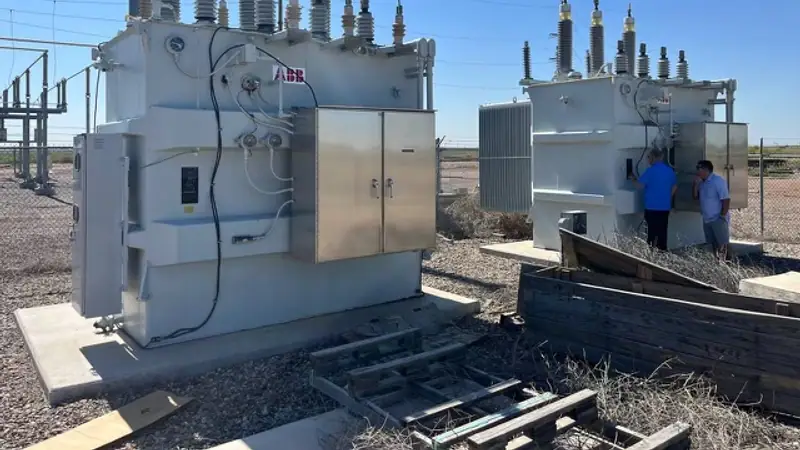
Schedule pickup around access, rigging and New York conditions
After the offer is accepted, we schedule pickup and coordinate the handling and transportation needed for the unit. That can include rigging, a forklift or crane, and flatbed, step-deck or lowboy trucking. If you prefer to load the transformer with your own equipment and personnel, tell us so we can plan around that arrangement.
Our statewide New York pickup area includes city sites, Long Island facilities and upstate storage yards. We have no public storefront or drop-off yard in New York; we come to the seller. Send access details before scheduling:
- Gate widths, overhead clearance and the distance from the transformer to the truck position.
- Ground conditions, loading hours and site contact information.
- Available lifting equipment and any known loading restrictions.
- Nameplate weight or documented shipping weight, if available.
For New York City transformer removals, street staging, vault access and required permits need advance planning. Work requiring licensed riggers must be handled by licensed riggers; confirm current city and site requirements. On Long Island, flag tight driveways and truck access restrictions. For upstate yard pickups, including Western New York, winter snow, ice and soft ground can affect the loading plan and schedule.
Confirm the transformer matches the photos at pickup
At pickup, we make a quick inspection to confirm that the transformer matches the photos and details used for the offer. We check the unit’s identity and visible condition, including any damage or missing parts discussed during the review. For a yard containing several similar units, keep the agreed equipment clearly identified so the loading crew takes the correct transformers.
Tell us before pickup if anything has changed since you sent the photos. A unit that has been moved, stripped of components or developed a leak may need another review before loading. Reporting changes early gives us a chance to resolve questions before transportation and lifting equipment are on site.
Our pickup inspection is not a full electrical acceptance test. Installed equipment must be safely de-energized and disconnected by qualified personnel before handling. Keep the loading route clear and have the site contact available to answer access questions; our seller guides provide additional preparation information.
Receive payment under the agreed terms
We pay by check, ACH or wire under the terms agreed for the purchase. Payment method and timing should be settled before pickup so your office knows what to expect and who needs to provide the necessary payment information. Do not assume a payment schedule that has not been agreed in writing.
If your company needs a purchase order reference, asset number or internal approval attached to the sale, raise that during the offer stage. For multiple transformers, use the same unit identifiers throughout the photos, offer and pickup arrangements. That keeps the equipment description consistent from the first review through payment.
The process for selling a used transformer follows the same basic sequence: identify the equipment, document its condition, agree on the offer, arrange pickup, confirm the unit and complete payment under the agreed terms. Before contacting us, gather the nameplate photos, pickup location, ownership details and any available test or fluid records. That gives us a useful starting point for reviewing your surplus transformer.
Questions sellers ask about How It Works
What information do I need to sell a used transformer?
Send readable nameplate photos, full-unit photos, the pickup location and a description of its condition. Include kVA or MVA, voltages, phase, fluid type and PCB documentation when available. Tell us whether the transformer is installed or disconnected, and send existing test reports if you have them. You can start with the information available.
Can I sell a transformer that has failed or is damaged?
Yes. We buy failed, damaged and scrap transformers as well as working used units and new surplus equipment. Send photos of the damage and describe the failure, leaks, missing components or drained fluid. We review the specific unit and its condition before providing a written offer and arranging pickup.
Do you arrange transformer pickup anywhere in New York?
We coordinate pickup throughout New York State, including New York City, Long Island and upstate locations. We can coordinate rigging, forklift or crane handling and suitable trucking, or you can load with your own equipment. Tell us about vault access, street staging, narrow gates and winter ground conditions before scheduling.
When and how do I get paid for my transformer?
We pay by check, ACH or wire under the agreed purchase terms. Confirm the method and timing during the written-offer stage, before pickup is scheduled. At pickup, we make a quick inspection to confirm the equipment matches the submitted photos and description. Report any condition changes before the truck arrives.