What we review as pole mount transformer buyers
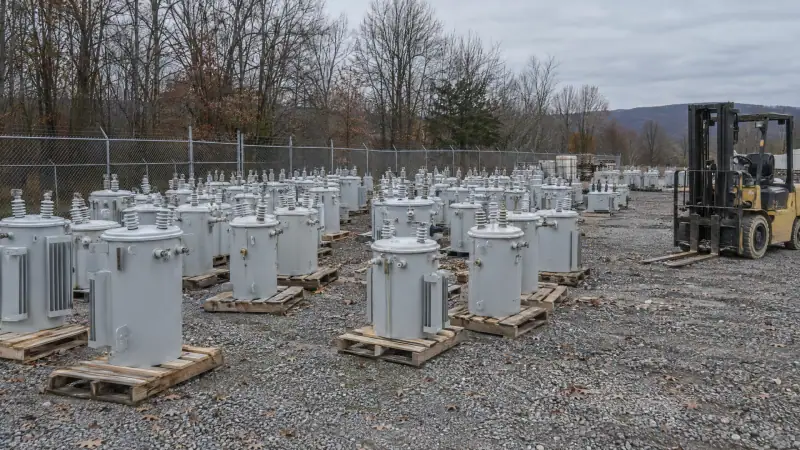
We buy single-phase overhead distribution cans, including conventional and completely self-protected units. These transformers commonly serve homes, small commercial buildings, and rural distribution circuits. Typical pole-mount ratings are approximately 10–167 kVA, although our broader buying range starts around 15 kVA. Send the actual nameplate rating so we can review your unit rather than estimate its size from the tank.
We consider new surplus, used, removed-from-service, decommissioned, damaged, and scrap units. A transformer stored after a line upgrade needs a different review from a new spare or a can removed after a fault. Tell us why it became available and how it has been stored.
Our transformer size guide helps organize ratings across a lot, and our brands we buy page covers manufacturer information. You must own the equipment or be authorized to sell it. A utility-owned transformer on your property belongs to the utility; it is not yours to sell.
Conventional versus CSP pole transformers
A conventional pole transformer generally relies on external protective equipment in the distribution installation. A completely self-protected, or CSP, transformer incorporates protective components into the unit, often including an internal fuse and a secondary circuit breaker. The exact arrangement varies by manufacturer and model, so we review the markings and available documentation rather than identify protection from tank shape alone.
For either design, send clear photos of the primary and secondary bushings, mounting brackets, tank, cover, and any breaker handle or protection markings. Broken bushings, missing covers, damaged brackets, corrosion, and visible leaks are important condition details. Include close-ups alongside a full view of each unit.
Most overhead distribution cans are liquid-filled. Our oil-filled transformer buying information explains the broader category, but your offer should identify the fluid shown on the nameplate or records. Tell us if the unit contains mineral oil, another documented fluid, or an unknown fluid, and disclose any draining or fluid replacement.
How much is a powerline transformer worth?
A powerline transformer's worth depends on its electrical specifications, condition, documentation, resale potential, and the cost of collecting it. We give a written offer after reviewing the actual equipment. A working unit with a readable nameplate and useful voltage combination receives a different evaluation from a failed can with missing parts or uncertain fluid history.
The main factors we review are:
- Rating and voltages: kVA, primary voltage, secondary voltage, taps, and frequency.
- Condition: new surplus, serviceable used, untested, damaged, or failed.
- Records: age, storage history, available electrical tests, and fluid or PCB documentation.
- Completeness: intact bushings, brackets, covers, and protective components.
- Lot and access: quantity, location, loading arrangements, and trucking requirements.
For resale candidates, we focus on the complete transformer's usability and documented condition. For scrap candidates, recoverable materials, fluid handling, and transportation matter. Windings may be copper or aluminum; we do not assign copper content from appearance. Our used transformer buying page covers used equipment, but the details of your pole-mount units determine the offer.
Send a clear inventory for storm stock and bulk lots
We review individual cans and bulk lots from utility storm stock, co-ops, contractors, and other authorized sellers. For a mixed yard, group units by kVA, voltage, condition, and manufacturer where practical. Keep new surplus stock separate from removed-from-service and failed equipment so the inventory reflects what is available.
A useful submission includes:
- Total quantity and pickup location in New York State.
- Nameplate photos for each unit or each clearly identified matching group.
- Full-unit photos showing condition and how the lot is stored.
- Available test reports, fluid records, and PCB information.
- Loading access, equipment on site, and any removal deadline.
Use our nameplate reading guide to locate ratings and identifying information. If labels are unreadable, send the clearest photos available and identify which units lack records. Call or text 951-403-5738, or submit the inventory through our online offer form. For repeated specifications, show how the photographed nameplate corresponds to the units listed.
Non-PCB stickers, fluid records, and failed cans
Photograph every PCB-related label, including a “Non-PCB” sticker, along with the main nameplate. Also send any fluid test report or maintenance record tied to that unit. A sticker is useful information, but it should be reviewed with the transformer's identification and available records, especially when the fluid history is incomplete.
Tell us about leaks, fire damage, bulged tanks, drained units, or missing components before pickup planning. We buy damaged and failed transformers, but we need an accurate description to evaluate the equipment and arrange appropriate handling. Do not drain a transformer or open its tank just to prepare an offer request.
Our PCB testing and label guide provides general educational information. PCB classification, handling, transportation, and disposal requirements can depend on the equipment and its records; confirm current applicable requirements with a qualified environmental professional. Keep records associated with each unit rather than treating one label or test result as documentation for the entire yard.
Pickup planning for pole-mount cans across New York
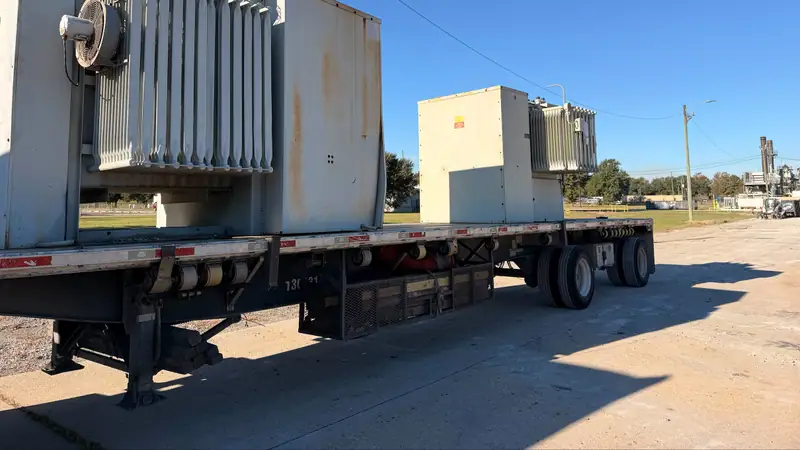
We coordinate pickup at the seller's location throughout New York State. We have no public storefront or drop-off yard in New York. Tell us if your transformers are on pallets, standing in a yard, inside a storage building, or still mounted overhead, because each location requires a different loading plan.
For units still on poles, qualified personnel must handle electrical isolation and removal before transport. Do not attempt to disconnect or lower energized equipment. For ground-stored cans, we review access, loading space, tank condition, and available handling equipment. Use documented weight information where available rather than estimating lifting requirements from kVA alone.
After our written offer is agreed, we schedule pickup and coordinate rigging, forklift or crane support, and suitable trucking, or you can load if you prefer. We inspect the equipment at pickup to confirm it matches the photos. Payment is by check, ACH, or wire under the agreed terms. See how our buying process works and our New York pickup service area for additional planning information.
Questions sellers ask about Pole-Mount Transformers
Who buys used pole transformers in New York?
We buy used pole-mount electrical transformers throughout New York State, including removed-from-service, decommissioned, damaged, and scrap units. We review one unit or a complete lot. Send nameplate photos, condition details, pickup location, and available fluid or test records. You must own the equipment or have authorization to sell it.
How much is a powerline transformer worth?
We evaluate worth from the kVA rating, primary and secondary voltages, age, condition, completeness, fluid status, and available records. Resale potential and pickup requirements also affect the offer. A failed unit is evaluated differently from documented surplus stock. Send photos and specifications so we can provide a written offer for your equipment.
Can I sell a pole transformer with a Non-PCB sticker?
We review pole transformers bearing Non-PCB stickers. Send a clear photo of the sticker, the nameplate, and any supporting fluid test or maintenance records. Tell us if the fluid has been changed or its history is unknown. We review the available documentation and condition before making an offer and planning pickup.
Do you buy utility storm stock and co-op transformer lots?
We review surplus storm stock and co-op lots offered by authorized sellers. Provide quantities, ratings, voltages, condition groups, and photos that clearly match the inventory. Identify new surplus, used, and failed units separately. Also describe yard access and loading equipment so we can evaluate the lot and coordinate pickup.
Can I sell the transformer on the pole outside my building?
Not if it belongs to the utility. Location on or near your property does not give you ownership or authority to sell it. Confirm ownership first. If you own the transformer and are authorized to sell it, we can review the details, with electrical isolation and removal handled by qualified personnel.