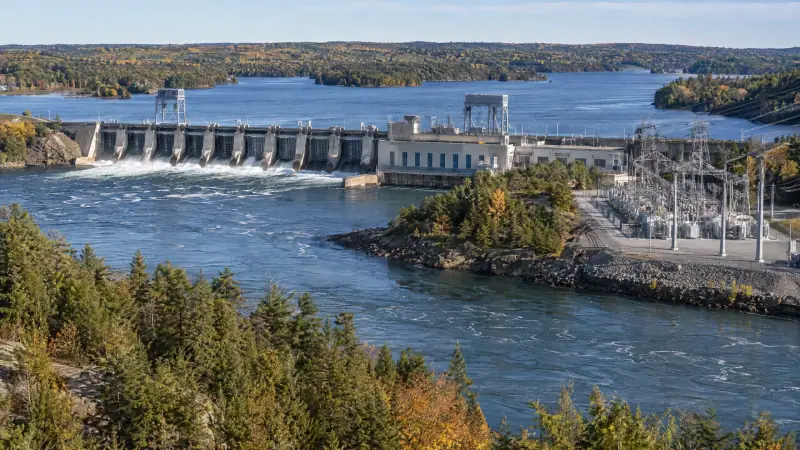
Power Transformer Buyers for Generation and Industrial Sites
We buy large power transformers from generating facilities, industrial plants and substations, including surplus units held as spares and equipment removed during replacement projects. Our buying range extends to roughly 20+ MVA. For this page, the focus is the MVA-class equipment around 5 MVA and above, rather than smaller distribution transformers.
Generation and transmission sites also use transformers rated 100 MVA or more. If you have equipment in that class, send the nameplate and shipping details for review; do not assume that every large unit fits our purchasing scope. Include the continuous rating and any additional ratings associated with different cooling stages.
Tell us whether the transformer is still installed, disconnected, stored outdoors or already prepared for shipment. A spare with service records requires a different review from a failed unit awaiting removal. If your equipment serves a plant distribution system, our substation transformer buying page explains that related category. We can review one transformer or multiple units from the same site.
How Much Is a Power Transformer Worth?
The answer to “how much is a power transformer worth?” starts with its electrical suitability, documented condition and cost to recover and move it. We do not use a single value per MVA. Two transformers with similar ratings may need different repairs, handling arrangements and levels of verification before they can return to service.
We review these value drivers together:
- Ratings and configuration: MVA, primary and secondary voltages, frequency, winding connection, impedance and cooling arrangement.
- Age and service history: Manufacturing date, operating history, storage conditions, maintenance and known faults.
- Condition evidence: Oil-test trends, electrical test results, leaks, damaged bushings and missing components.
- Tap-changing equipment: Load tap changer condition, maintenance history, controls and available parts.
- Transport requirements: Shipping weight, dimensions, dismantling needs, site access and loading equipment.
- Market fit: Demand for the specific configuration and current lead times for comparable replacement equipment.
Long replacement lead times can make usable surplus equipment attractive, but ratings and condition still matter. We also review failed units for recoverable materials, with fluid handling and transport included in the evaluation. Our used transformer purchasing information covers equipment with prior service.
Nameplates, DGA History and Tests That Help Us Review
Start with readable photographs of every nameplate, followed by full views of the transformer and close-ups of any damage. On a large power transformer, separate plates may identify the main tank, load tap changer, bushings and cooling equipment. Our guide to reading a transformer nameplate helps you locate the basic ratings we need.
Send dissolved gas analysis, or DGA, reports as a dated sequence when available. Trends help show changes over time; a single report provides less context. Include oil quality results, moisture information and records of oil processing or replacement. Identify the fluid as mineral oil, natural ester, silicone or another documented fluid.
Useful electrical records include transformer turns ratio, winding resistance, insulation power factor and excitation current results. For units that have been moved or experienced a fault, include sweep frequency response analysis results if available. We review existing documentation; you do not need to commission every test before contacting us.
Identify the load tap changer model, last maintenance date and known problems. For older equipment, send available PCB documentation and consult our PCB testing and labeling guide; confirm current handling requirements with qualified professionals.
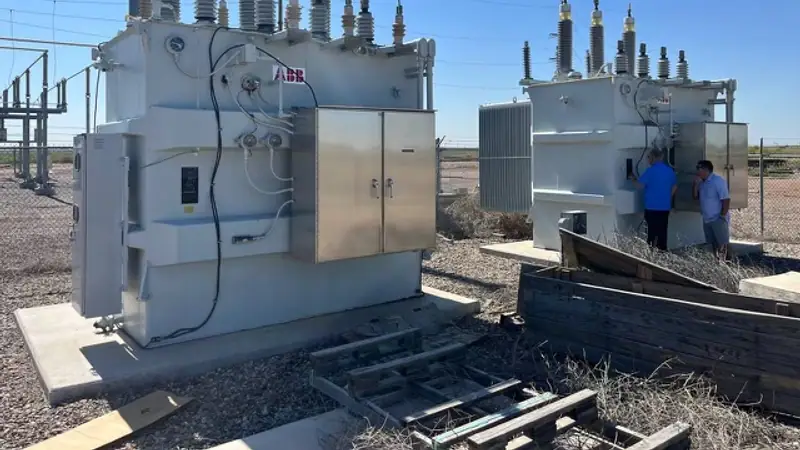
Heavy-Haul Planning for Large Transformers in New York
A purchase review needs both operating weight and shipping weight, if documented. Oil, radiators, bushings, conservators and other removable components can change the transport arrangement. Use the manufacturer's shipping drawings and nameplate information rather than estimating weight from appearance. Our transformer size reference provides context, but the unit's own documentation controls the handling plan.
Send overall dimensions, the proposed shipping configuration and photographs of the route from the transformer foundation to the loading area. We need to know about narrow gates, overhead lines, limited turning space, soft ground and restrictions on crane or trailer access. Identify existing lifting points, jacking pads and any available handling drawings.
We coordinate rigging and suitable trucking, which may involve a flatbed, step-deck or lowboy depending on the load. Oversize or overweight moves may require permits, route review and escorts; the hauling team must confirm current New York requirements before movement.
For exceptionally large loads, rail may be worth evaluating where origin and destination access support it. Rail shipment still requires suitable loading, securement and transfer arrangements, so nearby tracks alone do not establish a workable route.
From Nameplate Review to Written Offer and Pickup
Call or text 951-403-5738, or use our transformer offer form to send the initial information. Include the site location, ownership, MVA rating, voltages, age, condition, fluid type and PCB status. Attach test records and tell us your removal deadline, especially if the transformer occupies space needed for a replacement.
We review the equipment and access requirements, then provide a written offer. The offer establishes what is included, the agreed loading arrangement and payment terms. Identify radiators, controls, bushings and other transformer components that will remain with the unit, along with anything already removed or missing.
After agreement, we schedule pickup and coordinate rigging, forklift or crane needs and trucking. You can arrange loading if you prefer; we confirm that responsibility before pickup. The transformer must be isolated and prepared by qualified personnel, not handled as energized equipment.
At pickup, we perform a quick inspection to confirm that the unit matches the submitted photos and details. Payment is by check, ACH or wire under the agreed terms. Our purchase and pickup process explains the sequence.
Statewide Pickup for Installed, Stored and Failed Units
We coordinate pickup anywhere in New York State, including generating stations, industrial properties and storage yards. We have no public storefront or drop-off yard in New York; we come to the seller. Our New York service area covers statewide pickup coordination, while the actual removal plan depends on the transformer and site access.
For an installed unit, tell us who is responsible for disconnection, grounding, cable removal and releasing the equipment for lifting. For a stored unit, explain how long it has been out of service, whether it remains sealed and whether accessories are stored separately. Photographs of the base and surrounding ground help us assess loading access.
For failed or damaged equipment, describe the failure, any oil release and the current containment condition. Do not drain oil or dismantle the transformer just to request an offer; first establish the handling plan and confirm applicable requirements.
You must own the equipment or be authorized to sell it. A utility-owned transformer belongs to the utility, even when it sits on private property, and is not yours to sell.
Questions sellers ask about Power Transformers
Who buys large power transformers in New York?
We buy MVA-class power transformers across New York, including surplus, used, decommissioned and failed units. Send the nameplate, site location, condition and available test records so we can review the equipment. Our buying range extends to roughly 20+ MVA; larger units require an individual review.
How much is a power transformer worth?
We assess value from the ratings, age, operating history, test results, load tap changer condition and market demand for that configuration. Shipping weight, access, fluid handling and removal requirements also affect the offer. A usable transformer with documented condition is evaluated differently from a failed unit being reviewed for recoverable materials.
Can I sell a power transformer without DGA or test reports?
Yes, we can begin a review with nameplate photos, condition details and information about its service or storage history. Tell us which records are unavailable and describe any known faults or leaks. Missing documentation affects how confidently we can assess condition, but you do not need a complete test package to contact us.
Do you arrange heavy-haul pickup for power transformers?
We coordinate rigging and trucking appropriate to the agreed shipping configuration. Send documented weight, dimensions, access photos and any handling drawings. Large moves may require permits and route review. Rail may also warrant evaluation for exceptionally large loads, but suitable access and transfer arrangements must be established first.
Do you buy failed or decommissioned power transformers?
Yes, we review failed and decommissioned power transformers as well as operating surplus. Describe the failure, fluid type, PCB status, leaks and missing components, and include available reports. Keep the unit in its existing condition until removal responsibilities are agreed; fluid handling and dismantling can materially affect the pickup plan.