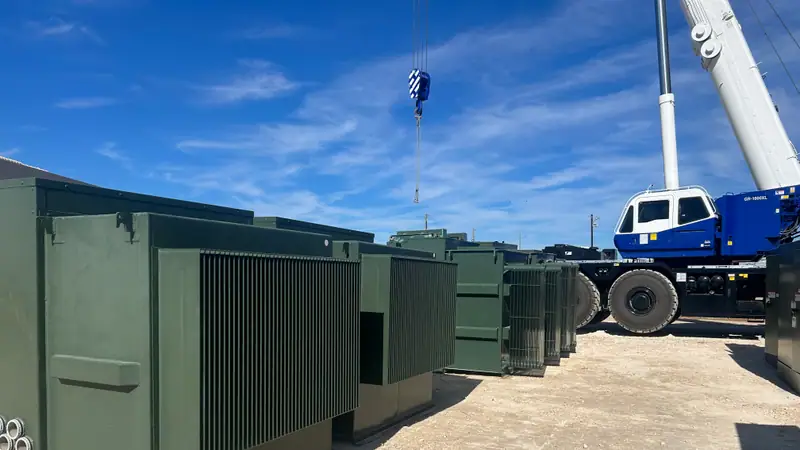
Transformer buyers in New York for surplus and retired units
We buy electrical transformers from contractors, facility managers, utilities, developers and property owners across New York State. You can offer one transformer left after a replacement project, unused equipment still in its crate or an entire yard of retired units. Tell us what is available and who owns it so we can start with the right information.
New surplus equipment, working used units and scrap transformers need different reviews. For surplus, we want to see the crate, nameplate and any storage or test records. For used equipment, operating history and the reason for removal help us evaluate the unit. For failed or damaged transformers, send clear photos of the damage and describe leaks, missing components or known electrical faults.
Our used transformer buying information explains what to send for previously operated equipment. See who we buy transformers from for seller information. Utility-owned transformers belong to the utility; a property owner cannot sell them just because they sit on the property.
Transformers we buy
- Padmount TransformersOur padmount transformer buyers purchase three-phase units across New York, from surplus to failed equipment.
- Single-Phase PadmountSingle phase padmount transformer buyers for new surplus and used units across New York.
- Pole-Mount TransformersPole mount transformer buyers for surplus, used, failed, and scrap units across New York State.
- Substation TransformersSubstation transformer buyers serving New York.
- Unit SubstationsSell to unit substation transformer buyers serving New York.
- Power TransformersPower transformer buyers for MVA-class units across New York.
- Dry-Type TransformersOur dry type transformer buyers purchase surplus, used and failed units across New York, with written offers and coordinated pickup.
- Medium-Voltage Dry-TypeSell your medium voltage dry type transformer in New York.
- Cast Coil TransformersNew York cast coil transformer buyers for surplus, used, failed and scrap cast-resin units, with statewide pickup coordination.
Padmount, dry-type and power transformers we review
We review single-phase and three-phase electrical transformers, with sizes roughly from 15 kVA to 20+ MVA. Common offers include padmount units from site upgrades, pole-mount units from utility inventories, dry-type transformers from buildings and substation or power transformers from industrial facilities. We also review step-up transformers associated with solar and battery storage projects.
The nameplate matters more than a description such as “large transformer” or “building transformer.” It gives us the rated capacity, primary and secondary voltages, manufacturer and other details needed to identify the equipment. For oil-filled units, tell us the fluid type if known; mineral oil, natural ester and silicone units require that distinction during review.
Send these details when available:
- kVA or MVA rating and primary/secondary voltages.
- Single-phase or three-phase configuration.
- Manufacturer, serial number and manufacture date.
- Fluid type, condition and available test records.
Our transformers we buy page covers additional configurations. Use our transformer size information to understand capacity ratings, but rely on the unit’s nameplate for its actual specifications.
Three steps from nameplate photos to pickup and payment
Our buying process starts with equipment information, not a trip to a drop-off yard. Call or text 951-403-5738, or submit the online transformer offer form. Include the pickup town, number of units and photos showing both the nameplate and the complete transformer.
- Send photos and basic details. We review the type, capacity, voltages, age, condition, fluid and PCB status. Test reports are helpful if you have them. Include pictures of damage, bushings, terminals and any loose parts included with the sale.
- Receive a written offer. We use the information you provide to evaluate the equipment and set out the offer. Let us know about access restrictions, loading requirements and your removal schedule before pickup arrangements are settled.
- Coordinate pickup and payment. We schedule collection and coordinate the loading equipment and trucking needed for the job. At pickup, a quick inspection confirms that the transformer matches the photos and description. Payment is by check, ACH or wire under the agreed terms.
Our transformer buying process explains these steps in more detail. If your crew prefers to load the transformer, tell us when you submit it.
Pickup in every New York region
- Western New YorkBuffalo · Dunkirk · Jamestown · Lackawanna
- Finger LakesBatavia · Canandaigua · Geneva · Rochester
- Southern TierBinghamton · Corning · Elmira · Hornell
- Central New YorkAuburn · Cortland · Fulton · Oneida
- Mohawk ValleyAmsterdam · Gloversville · Johnstown · Little Falls
- North CountryOgdensburg · Plattsburgh · Watertown · Massena
- Capital RegionAlbany · Cohoes · Glens Falls · Hudson
- Mid-Hudson & WestchesterBeacon · Kingston · Middletown · Mount Vernon
- New York CityManhattan · Brooklyn · Queens · The Bronx
- Long IslandGlen Cove · Long Beach · Hempstead · Oyster Bay
Statewide pickup coverage from Buffalo to Montauk
We buy transformers throughout New York State, including Buffalo, Rochester, Syracuse, Albany, the Hudson Valley, New York City and Long Island through Montauk. We have no public storefront or drop-off yard in New York. We come to the seller through statewide pickup coordination, so the equipment’s current location is part of every offer review.
For Western New York transformer sellers, tell us if the unit is stored at a plant, contractor yard or rural site. Include the road approach, loading surface and any restrictions affecting truck access. Upstate pickups may involve a single removed unit or multiple transformers staged across a yard.
For New York City transformer pickups, describe basement, vault, rooftop or street-access conditions before we plan removal. For Long Island transformer sales, send the exact town and describe the route from the unit to the loading area. Photos of gates, driveways and nearby obstructions help us choose practical loading and transport arrangements.
Rigging and trucking planned around your transformer
A transformer’s location and lifting requirements can be as important as its electrical ratings. A dry-type unit inside a mechanical room needs a different removal plan from an oil-filled padmount beside a parking lot. Large substation and power transformers may require crane access and specialized trucking rather than a forklift and standard flatbed.
We coordinate rigging, forklift or crane loading, and flatbed, step-deck or lowboy trucking according to the equipment and site. If you already have a loading crew, we can arrange around seller loading instead. Tell us what equipment is available and provide the transformer’s listed weight; do not estimate lifting requirements from appearance alone.
Useful site photos show:
- The transformer and its lifting points or base.
- Doors, gates and the route to the loading area.
- Overhead obstructions and space for a truck or crane.
- Adjacent switchgear or cables that affect access.
Have qualified personnel disconnect and make the equipment safe before removal. Confirm current site, street-access and permit requirements where applicable, particularly for constrained NYC locations.
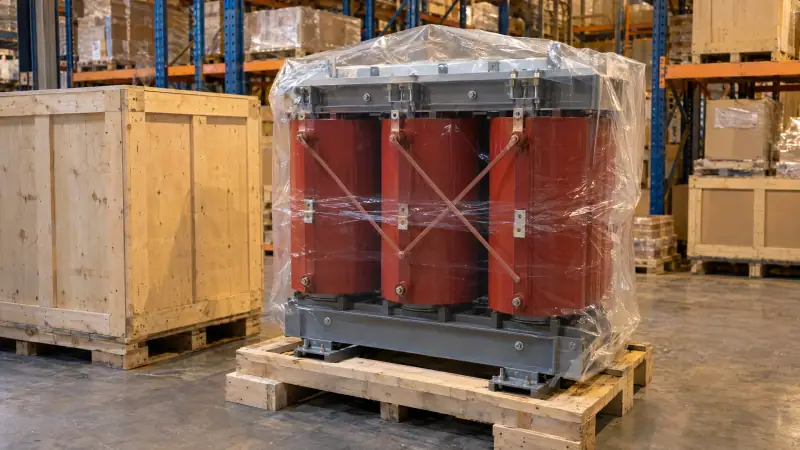
Fluid records, PCB status and the details to send now
For oil-filled transformers, send any fluid labels, PCB test results and available service records with the nameplate photos. Tell us about leaks, drained fluid or missing paperwork at the outset. We review fluid and PCB status as part of the offer, and we need those details before agreeing on handling and pickup arrangements.
PCB-related handling and documentation requirements depend on the equipment and fluid status. Confirm current EPA, New York State and applicable local requirements with qualified environmental personnel; this is general information, not legal advice. If the records are incomplete, tell us what you have rather than guessing at the fluid classification.
Ready to sell transformers in New York? Call or text 951-403-5738 with nameplate photos, full-unit photos, the pickup location and a short condition description. For several units, identify each transformer separately and note which records belong to it. Include your target removal date and any loading restrictions so we can prepare a written offer and discuss pickup terms.
Get a written offer on your transformer
Fields marked * are required. Photos of the nameplate get you the fastest answer. Prefer your phone? Text photos to 951-403-5738.
We use your details only to respond about your transformer. See our privacy policy.
Questions sellers ask
Who buys used transformers near Buffalo?
We buy used electrical transformers in Buffalo and throughout Western New York, including working units and equipment removed from service. Send nameplate photos, overall photos, the condition and the pickup location. We review the transformer, provide a written offer and coordinate pickup and payment under the agreed terms.
Can I sell a damaged or scrap transformer in New York?
We review damaged, failed, decommissioned and scrap electrical transformers, including individual units and entire yards. Show the damage clearly and tell us about leaks, missing components and known failures. For oil-filled units, include fluid information and PCB records if available. These details help us evaluate the equipment and plan pickup.
Do you pick up transformers in NYC and on Long Island?
Yes. We coordinate transformer pickups in all five NYC boroughs and across Long Island through Montauk. Tell us where the unit sits, how it can reach the loading area and what access restrictions apply. We have no public New York drop-off yard, so pickup is arranged at the seller’s location.
What information do I need to get a transformer offer?
Start with readable nameplate photos, pictures of the complete unit, its condition and the pickup town. Include the quantity, kVA or MVA rating, voltages, age and available test data. For liquid-filled equipment, send fluid and PCB information. Also tell us about loading access and your preferred removal schedule.