Substation transformer buyers for surplus and retired units
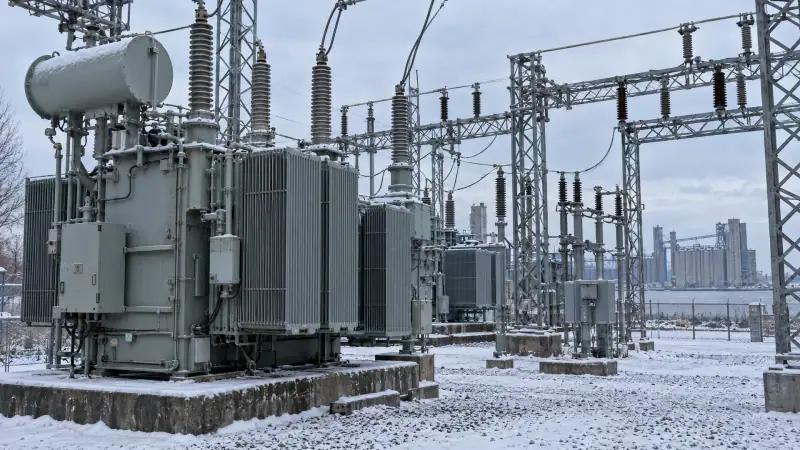
We buy new surplus, used, removed-from-service, decommissioned, damaged and scrap substation transformers. The units on this page are liquid-filled transformers typically ranging from approximately 500 kVA to 20 MVA or larger. Primary ratings may reach 69–138 kV on larger substation-class equipment; send the actual nameplate ratings rather than estimating from the station voltage.
A transformer available after a capacity upgrade needs a different review from one removed following a fault. Tell us why the unit is being sold, when it last operated and whether it remains connected. For stored surplus equipment, include any available factory documents and details about storage conditions, missing parts or shipping damage.
Larger transmission and generation units also fit our MVA power transformer buying scope. For a smaller station unit, our transformer size information can help you identify the capacity before sending photos. Confirm ownership first: utility-owned transformers belong to the utility and cannot be sold by a property owner.
Nameplate ratings, ONAN/ONAF cooling and tap changers
Start with a clear, straight-on photograph of the main nameplate. We need the manufacturer, serial number, year, kVA or MVA ratings, primary and secondary voltages, phase, frequency and impedance where shown. Include winding connection information and any separate cooling or tap-changer plates. Our guide to reading a transformer nameplate explains where to find these details.
ONAN means oil natural, air natural cooling. ONAF means oil natural, air forced cooling, using fans to increase heat removal. A transformer may carry multiple capacity ratings tied to its cooling stages, so send every listed rating and tell us whether the fans and controls are present and functional.
Identify the tap-changing arrangement as well. A load tap changer, or LTC, changes taps under load; a de-energized tap changer requires the transformer to be de-energized before adjustment. Send the tap range, LTC model if available, maintenance records and any known operating problems. Do not energize equipment or operate a tap changer just to prepare an offer request.
Radiators, bushings and accessories affect our review
Photograph all sides of the transformer, including the tank, radiators, bushings and control cabinet. We want to see oil leaks, corrosion, cracked porcelain, damaged cooling panels and signs of repairs. If bushings or radiators have already been removed, show the connection points and photograph the detached parts separately.
Tell us which accessories remain with the unit. On larger used substation transformers, these can include fans, pumps, a conservator, gauges, pressure-relief devices, surge arresters, neutral grounding equipment and marshalling cabinets. Include separate photos of accessory nameplates where readable. We review missing or damaged components along with the main transformer rather than treating a complete-looking tank as a complete assembly.
For equipment in storage, note whether openings are sealed and whether detached components are labeled. These details help us assess reuse potential and plan a complete pickup. Our broader oil-filled transformer buying page covers other liquid-filled configurations if the unit is not a conventional outdoor substation transformer.
Oil testing, DGA and known electrical faults
Tell us the insulating fluid type: mineral oil, FR3 or another natural ester, silicone, or unknown. Send existing oil reports, PCB documentation and maintenance records. Keep sampling dates visible so we can distinguish recent information from a report issued years before the unit was retired.
Dissolved gas analysis, or DGA, helps identify evidence of thermal or electrical problems in liquid-filled equipment. We review it alongside the operating history, not as a substitute for other test results. If available, include oil dielectric strength, moisture and acidity results, plus winding resistance, turns-ratio, insulation resistance or other electrical test reports. Tell us about trips, overheating, leaks, internal faults and previous repairs.
We also review failed and scrap units; describe the failure and current fluid condition plainly. Our PCB testing and label guide explains useful documentation. PCB classification and handling requirements depend on the equipment and fluid history; confirm current requirements with qualified environmental personnel before draining, transporting or disposing of fluid.
Crane access, transport weight and lowboy pickup planning
Substation transformer removal starts with the site layout and the unit's documented weight. Send overall dimensions, nameplate or drawing weights, and any separate oil, tank or shipping weights. Tell us whether those dimensions include bushings and radiators. We use the documented figures to plan lifting and transport rather than estimating weight from MVA alone.
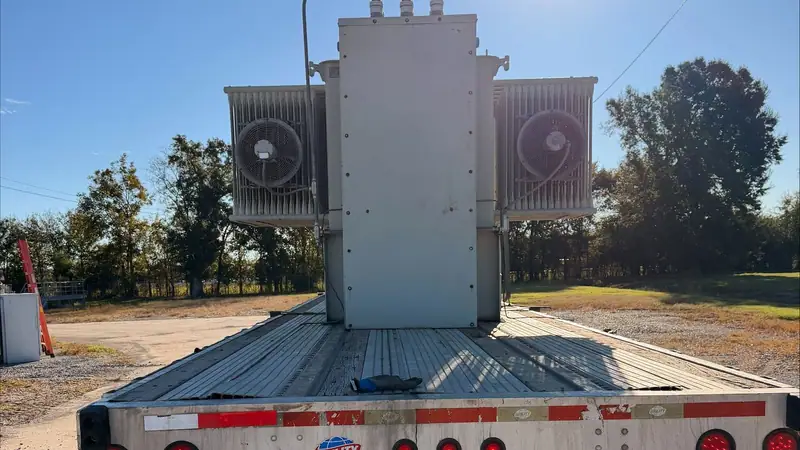
Useful site photos show the transformer pad, gates, overhead obstructions, truck approach and available crane setup area. Note retaining walls, tight turns, soft ground or equipment blocking access. Depending on the unit and route, pickup may require a crane and flatbed, step-deck or lowboy trailer, with selected components removed for transport by qualified personnel.
We coordinate rigging and trucking, or you can load if you prefer. The transformer must be safely disconnected and released for removal by the responsible site personnel. Discuss any required fluid handling or component removal before work begins. We arrange pickup across our New York State service area; we do not operate a public storefront or drop-off yard in New York.
Sell a substation transformer with a written offer
To sell a substation transformer, call or text 951-403-5738 or use our online offer form. Start with the nameplate, full-unit photos, location and a short description of its condition. Tell us your removal schedule, whether the transformer is still installed and who will handle disconnection.
We review the type, capacity, voltages, age, condition, fluid and PCB status, along with available test data. If you are selling several units, identify each transformer separately so ratings, photographs and records stay matched. Include loose radiators, bushings and accessories in the submission, and tell us which items are included in the sale.
We then provide a written offer and agree on pickup responsibilities and payment terms. At pickup, we perform a quick inspection to confirm the equipment matches the photos and description. Payment is by check, ACH or wire under the agreed terms. Our transformer buying process outlines the steps from your initial submission through pickup and payment.
Questions sellers ask about Substation Transformers
Who buys used substation transformers in New York?
We buy used substation transformers anywhere in New York State, including units removed for upgrades, station closures or equipment replacement. Send nameplate photos, condition details, available test records and the pickup location. We review individual units and entire yards, provide a written offer and coordinate removal and trucking under the agreed terms.
Can I sell a substation transformer without recent oil tests?
You can submit a transformer for review without recent oil tests. Send any existing reports, the fluid type, known PCB information and the operating or failure history. Tell us which records are unavailable. We use the information provided to assess the unit and identify any additional details needed before making an offer or planning pickup.
Do you buy substation transformers with failed LTCs or bushings?
We review damaged and failed units, including transformers with known tap-changer problems, damaged bushings or missing accessories. Describe the problem and send clear photos of the affected components. Include any diagnostic reports and tell us whether detached parts are available. The fault, overall condition and removal requirements all factor into our review.
Will you arrange a crane and lowboy for transformer removal?
We coordinate rigging and trucking based on the transformer's documented weight, dimensions and site access. That may include a crane and lowboy trailer, although the equipment needed varies by unit and location. Send access photos and lifting or shipping drawings if available. We agree on loading responsibilities before pickup; you may load the transformer if you prefer.