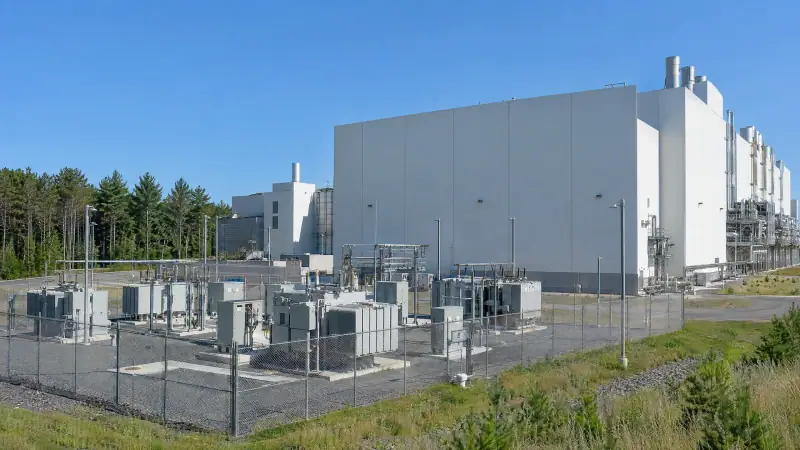
- Electrical ContractorsElectrical contractors can sell transformers from change orders, canceled jobs or yard surplus with coordinated New York pickup.
- Utilities & Municipal ElectricSell transformers from utilities & municipal electric systems across New York.
- Solar & Battery StorageSell transformers from solar & battery storage projects in New York.
- Data CentersSell transformers from data centers in New York: surplus padmounts, unit substations and dry-type units, with coordinated pickup.
- Hospitals & UniversitiesHospitals and universities can sell transformers to us across New York.
- Manufacturing & FabsSell transformers from manufacturing plants & fabs across New York.
- Building Owners & ManagersSell transformers: building owners & managers can request offers for surplus units from NYC service upgrades and renovations.
- Demolition ContractorsDemolition contractors can sell transformers across New York.
- Electrical DistributorsSell transformers from electrical distributor inventory in New York, including aged stock, returns and cancelled orders.
- Crypto-Mining SitesSell transformers from crypto-mining sites in New York.
- Government & Public AgenciesSell transformers from government & public agencies in New York with written offers for surplus bid files and statewide pickup.
- EV Charging & Fleet DepotsSell transformers from EV charging & fleet depots in New York, including surplus padmounts and dry-types from project changes.
Who Can Sell Surplus Electrical Equipment to Us?
We buy transformers from electrical contractors with leftover project inventory, customer-approved removals and equipment replaced during service upgrades. A new transformer still in its crate needs different information than a unit removed from an operating building, so tell us how it became available and whether it has ever been energized.
For electrical contractors selling transformers, useful details include the nameplate, purchase or installation history if known, storage conditions and any damage to the enclosure or bushings. For several units, identify each transformer separately so we can match the photos to the inventory.
We also work with demolition contractors handling transformer removals. Before the building comes down, send photos showing the transformer and its access route. Tell us whether it will remain in place until pickup or be moved to a staging area. Keep nameplates, fluid labels and available records with the equipment; those details help us evaluate a decommissioned unit.
Utilities, Municipal Electric Systems and Public Agencies
We buy transformers offered for sale by utilities and municipal electric systems, including surplus stock, retired distribution units and substation equipment. For a yard inventory, we need a unit count, nameplate photos, condition notes and any available test or fluid records. Identify damaged units separately from serviceable or unused inventory.
Our information for utilities and municipal electric sellers focuses on those larger inventories and retirement situations. Tell us how the yard is accessed, whether loading equipment is available and which units are ready for release.
We also review transformer inventory from government and public agencies. Let us know about required sale procedures, paperwork or pickup restrictions before scheduling. Utility-owned transformers belong to the utility and cannot be sold by a property owner; confirm ownership and sale authority before submitting equipment for an offer.
Solar, Battery Storage, EV Charging and Mining Sites
We buy transformers from energy developers and site operators with canceled-project inventory, equipment changes or decommissioned installations. At solar and battery storage projects, that may include unused step-up transformers or units removed during a redesign. Send the kVA or MVA rating, both voltage ratings and the nameplate connection information.
For solar and battery storage transformer sellers, photos should show the enclosure, terminals and any shipping or storage damage. Include fluid type and available test reports for oil-filled units. Tell us whether the transformer is still crated, stored outdoors or disconnected on its pad.
We also buy surplus transformers from EV charging and fleet depot projects and crypto-mining sites. Explain whether the equipment is unused stock, a replacement or part of a site closure. For multiple similar units, send individual nameplates rather than assuming every transformer has the same rating. That lets us review the actual equipment offered for sale.
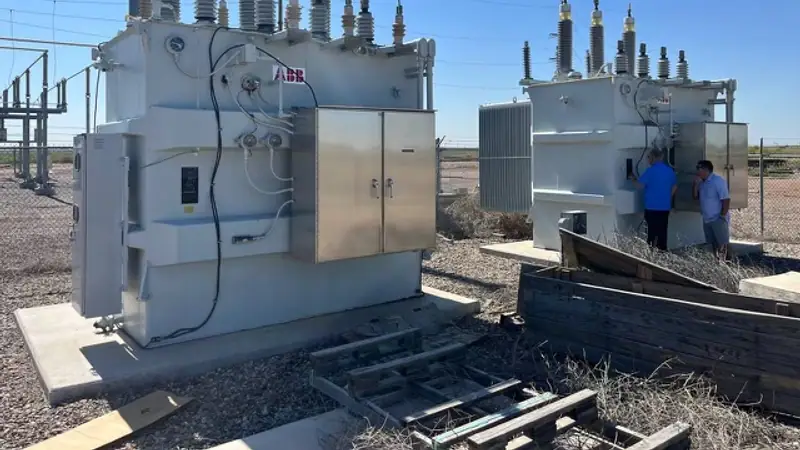
Data Centers, Manufacturing Plants and Campus Facilities
We buy transformers from facilities replacing electrical infrastructure, closing a production area or clearing stored spares. The reason for removal helps us understand the condition: a working transformer replaced for capacity is different from one removed after a fault. Share that history along with any maintenance or test records.
For data centers selling surplus transformers, identify the voltage ratings and any K-factor or isolation designation shown on the nameplate. For manufacturing plants and fabs, tell us whether the unit served general distribution or a specific process, and describe any known overheating, winding damage or enclosure damage.
We also buy from hospitals and universities with retired transformers. Campus equipment may be in a basement electrical room, a separate utility building or an outdoor substation. Include access photos, doorway restrictions and the planned removal schedule. Keep operating equipment in service until your qualified electrical personnel have arranged its isolation and removal.
Building Owners and Property Managers
We buy owner-held transformers from commercial buildings, apartment properties, warehouses and redevelopment sites. Typical sale situations include an electrical service upgrade, a tenant departure, a building conversion or removal of an unused transformer from storage. Tell us what changed at the property and when the equipment will be available.
For indoor dry-type units, photograph the nameplate, enclosure and surrounding space. For outdoor oil-filled units, include the tank, bushings, fluid labels and any visible leaks. If the transformer is in a vault or below grade, show the route to the loading area and describe stairs, hatch openings or clearance limits.
We have no public storefront or drop-off yard in New York; we coordinate pickup at your property. Before moving a transformer to make room for construction, discuss the pickup plan with us so the staging location remains accessible to the necessary lifting and trucking equipment.
Electrical Distributors and Sellers Clearing Stored Inventory
We buy new surplus transformers from electrical distributors and other sellers holding unused inventory. Canceled orders, project specification changes and stock that no longer fits current demand can leave transformers taking up warehouse space. We review single units as well as grouped inventory.
For new-in-crate equipment, send readable nameplate photos plus pictures of the crate and its markings. Tell us whether the packaging has been opened, where the unit has been stored and whether there is visible moisture or handling damage. Include purchase documentation or factory test information if available, but start with the photos and basic specifications.
For mixed stock, separate unused transformers from used, failed and scrap units in your inventory list. We need the quantity and identifying information for each unit or matching group. Also tell us whether your warehouse can load the truck or whether pickup will require coordinated forklift or crane service.
What Every Seller Should Send for a Written Offer
Call or text 951-403-5738, or use our transformer offer form, with photos and the pickup location. We review the transformer type, rating, voltages, age, condition, fluid and PCB status, plus test data when available, before giving a written offer.
Send the following to help us evaluate the equipment:
- Clear nameplate photos and pictures of all sides.
- Quantity, operating history and the reason for sale.
- Known failures, missing parts, leaks or storage damage.
- Fluid type and available PCB documentation for liquid-filled units.
- Pickup address, access restrictions and loading equipment available.
Once terms are agreed, we schedule pickup and coordinate rigging, forklift or crane service and suitable trucking. You can load if you prefer. We make a quick inspection at pickup to confirm the transformer matches the photos, then pay by check, ACH or wire under the agreed terms. If PCB status is unknown, tell us; confirm current handling and disposal requirements before arranging removal.
Questions sellers ask about Who We Buy From
Who sells used transformers in New York?
We buy used transformers from electrical contractors, utilities, municipal electric systems, facility operators, developers and property owners with authority to sell the equipment. Common situations include service upgrades, plant closures, redevelopment and retirement of stored spares. Send the nameplate, condition details and location so we can review the specific unit.
Can I sell a transformer that is still installed?
We can review an installed transformer for an offer using nameplate photos, condition information and access details. Tell us when it will be available and who will handle electrical disconnection. Qualified electrical personnel should isolate it before removal. Pickup planning also needs to account for rigging access, doorways, vault openings or other site restrictions.
Who buys failed or scrap transformers near me in New York?
We buy damaged, failed and scrap electrical transformers and coordinate pickup throughout New York State. Describe the failure, missing components and any leaks, and send clear photos. For liquid-filled units, include fluid and PCB information if available. We review the equipment and removal requirements before providing a written offer.
Can I sell one surplus transformer, or do I need a full load?
We buy one transformer or an entire yard of units. You do not need a full truckload to submit equipment for review. For a single unit, send its nameplate and condition photos. For a larger inventory, provide a list with quantities and identifying details, along with photos that clearly match each unit or group.