Oil Filled Transformer Buyers for New York Equipment
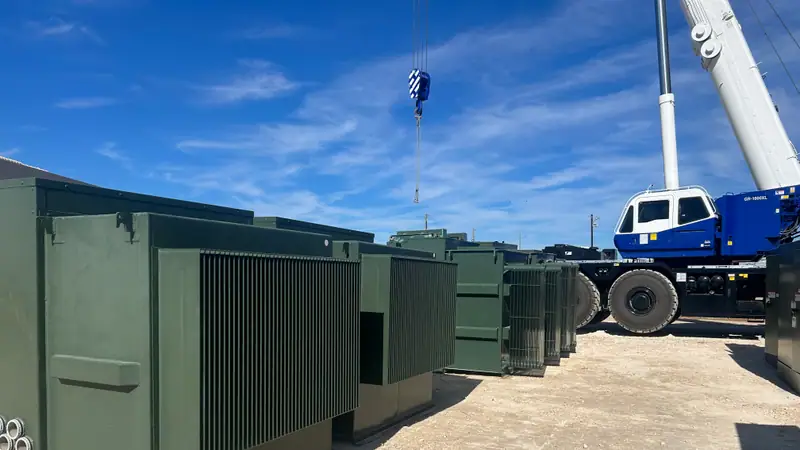
We buy liquid-filled electrical transformers from contractors, facility managers, utilities, developers and property owners across New York. Relevant equipment includes pole-mounted distribution units, padmounts, substation transformers and larger power transformers. Our buying range is roughly 15 kVA through 20+ MVA; send the actual nameplate rating rather than estimating capacity from the tank size.
We review new units still in crates, operating units scheduled for replacement, equipment already disconnected and failed or scrap units. Tell us if a transformer remains energized, has been removed from its foundation or is stored with other equipment. That information helps us understand both its condition and the work needed before pickup.
For equipment-specific details, see our pages for pole-mount transformers and substation transformers. You do not need a complete technical file to start. Clear photographs, the location and a short description of the transformer give us a useful starting point.
Mineral Oil, FR3, Silicone and Less-Flammable Fluids
The insulating liquid helps carry heat away from the windings and provides electrical insulation. We review transformers filled with mineral oil, FR3 or other natural ester fluids, and silicone. Fluid type matters when we assess condition, interpret available test reports and plan transportation.
Send a photograph of the fluid label and any records of replacement, retrofilling or topping off. A tank that originally contained mineral oil may now contain another fluid, so the original nameplate alone may not describe its current contents. If records are missing, tell us what is known and mark the fluid type as unknown rather than guessing.
Some ester and silicone fluids are used in less-flammable transformer designs. That description does not mean the fluid is noncombustible or that the unit meets every installation requirement. We review the actual markings and documentation. For larger liquid-filled units, our power transformer buying page covers the equipment details to include with your inquiry.
PCB History, Labels and Oil Test Reports
PCB status is an important part of evaluating an oil-filled transformer, especially older equipment or units with incomplete service records. Photograph any PCB labels and send available laboratory reports. We need to know which transformer a report identifies, when the sample was taken and whether the fluid has changed since then. A manufacturing date or familiar brand is not a substitute for documented fluid history.
Our guide to PCB testing and labels explains the information to gather. PCB handling and disposal requirements depend on the equipment and its contents; confirm current EPA, New York State and applicable local requirements with a qualified professional.
Other useful records include:
- Dissolved gas analysis, or DGA, which helps identify signs of overheating and electrical faults.
- Dielectric strength testing, which assesses breakdown voltage under the test method used.
- Moisture and other fluid-condition results, if available.
We review these reports in context, including fluid type and test date. Have qualified personnel handle sampling; do not open or sample energized equipment yourself.
Leaks, Failed Units and Preparing for Pickup
We review leaking, damaged and failed transformers as well as serviceable units. Send close-up photographs of wet seams, valves, bushings, radiator connections or visible tank damage, along with wider views of the whole transformer. Describe any known failure, loss of fluid or water intrusion. Do not clean up the appearance just to make the photographs look better; accurate condition information helps us prepare an appropriate offer.
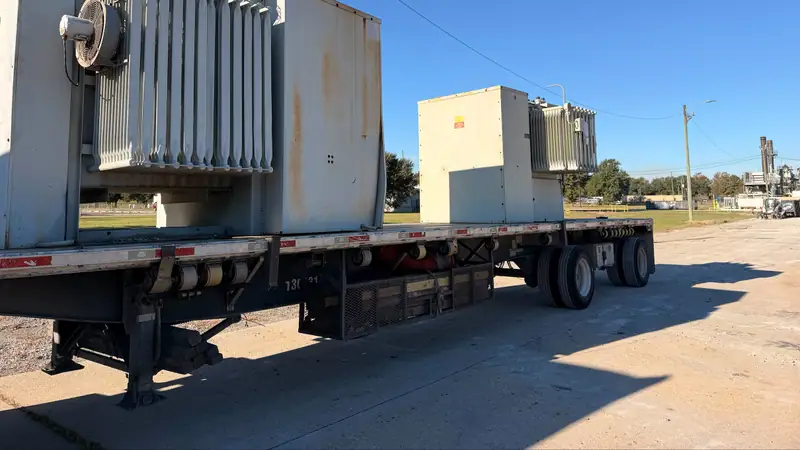
For transport planning, we review the current fluid level or status, known leaks, shipping weight, dimensions and access to the unit. We coordinate rigging, a forklift or crane, and suitable flatbed, step-deck or lowboy trucking as needed. Tell us about narrow gates, overhead obstructions and soft ground before scheduling.
Oil handling is part of the pickup discussion, not an instruction to drain the tank yourself. We establish whether the unit can travel with its fluid in place or needs other preparation before loading. Report active leaks early so containment and transport requirements can be addressed. For heavy equipment, include the details requested for unit-substation transformers.
How to Dispose of an Oil-Filled Transformer in New York
If you are researching how to dispose of an oil filled transformer, start by sending us the unit's details for purchase review. Selling the complete transformer may be an alternative to arranging disposal yourself. We buy removed-from-service, decommissioned and scrap units, but fluid condition, PCB status, damage and pickup requirements must be reviewed before we agree to a purchase.
Keep the transformer intact while we assess it. Draining the oil or cutting the tank can create additional handling work and remove information useful to our evaluation. Tell us if fluid has already been removed, where it went and what records remain. Our offer review is not a substitute for required spill response or environmental disposal work.
Confirm that you own the equipment or have authority to sell it. A utility-owned transformer on your property belongs to the utility and is not yours to sell. We coordinate pickups throughout our New York service area, including New York City; we have no public storefront or drop-off yard in New York.
Send Nameplate Photos for a Written Offer
Call or text 951-403-5738, or use our online offer form, with clear nameplate photographs and basic details. Our transformer nameplate guide helps identify the ratings we need. Include the quantity, pickup location, kVA or MVA, primary and secondary voltages, approximate age, condition, fluid type and known PCB status.
Photograph the complete unit, bushings, radiators, fluid labels and any damage. Include test data if available, plus dimensions and the nameplate or documented shipping weight. For a yard of transformers, identify each unit so photographs and reports can be matched correctly. Tell us which units are ready to load and which still require disconnection or removal.
We review the information and provide a written offer. After agreement, we schedule pickup and coordinate the loading and trucking arrangements, or you can load if you prefer. At pickup, we make a quick inspection to confirm the equipment matches the photographs. Payment is by check, ACH or wire under the agreed terms.
Questions sellers ask about Oil-Filled Transformers
Who buys used oil-filled transformers in New York?
We buy used oil-filled electrical transformers anywhere in New York State, including mineral-oil, FR3 and silicone units. We review one transformer or an entire yard. Send nameplate photos, condition photos, the pickup location and any fluid or test records so we can evaluate the equipment and provide a written offer.
Can I sell a leaking or failed oil-filled transformer?
Yes, we review leaking, damaged and failed units for purchase. Describe the failure and photograph the leak or damage before pickup planning begins. Include the known fluid type, PCB status and any oil loss. The written offer and loading arrangements depend on our review of the actual equipment and condition.
Do I need to drain transformer oil before selling?
Do not drain the transformer just to prepare it for our review. Tell us its current fluid status and send photographs of leaks, valves and labels. We discuss oil handling and transport preparation before pickup. If it has already been drained, provide the available records for the removed fluid.
Can I sell an old transformer without a PCB test?
You can send an inquiry without a PCB test report. We review the labels, age, fluid history and available records, then discuss what additional information is needed before purchase or pickup. Do not describe the oil as PCB-free based only on the transformer's age or the appearance of its label.
Do oil-filled transformer buyers need DGA results?
Send DGA results if you have them, but you do not need a complete test file to contact us. DGA, dielectric strength and moisture reports help us assess fluid and operating condition. We also review the nameplate, photographs, service history and known failures, with attention to the fluid type and report dates.