- What a Used Transformer Is WorthLearn how much a used transformer is worth based on condition, ratings, demand, and pickup costs.
- Copper in a TransformerWondering how much copper is in a transformer?
- Scrap Value vs ResaleTransformer scrap value depends on metals, condition, oil handling and pickup costs.
- Reading a NameplateRead transformer nameplate ratings, voltages, cooling codes, fluid details and weights so we can review your unit for purchase.
- Photos to SendTo sell a transformer, photos should show its nameplate, condition, compartments and pickup access.
- PCB Testing & LabelsSelling a PCB transformer in New York?
- Oil Testing & DGATransformer oil testing helps us review DGA, moisture, insulation condition and resale options for oil-filled units in New York.
- Transformer Weights by kVAUse our transformer weight by kVA guide to plan lifting, truck access and pickup in New York.
- kVA to Amps CalculatorUse our kVA to amps calculator to find transformer full-load current, check voltage ratings, and prepare surplus units for sale.
- The 80% RuleUnderstand the 80% rule for transformers, how NEC continuous-load sizing differs, and what to check before selling a surplus unit.
- Standard Transformer SizesCompare standard transformer sizes, single- and three-phase kVA ratings, and common transformer forms.
- NYC Building RemovalsPlan NYC transformer removal from a basement, electrical room or vault with access, ownership and pickup details that matter.
- Decommissioning ChecklistPlan transformer decommissioning with a checklist for ownership, safe removal, PCB records, rigging, pickup and payment in New York.
- Loading & ShippingPlan transformer shipping in New York with practical guidance on rigging, truck access, upright transport and pickup preparation.
- Do Scrap Yards Take Them?Do scrap yards take transformers?
- Ownership & PaperworkTo sell a transformer, paperwork should identify ownership, PCB status, and pickup access.
How to Sell a Transformer: Start With Its Identity
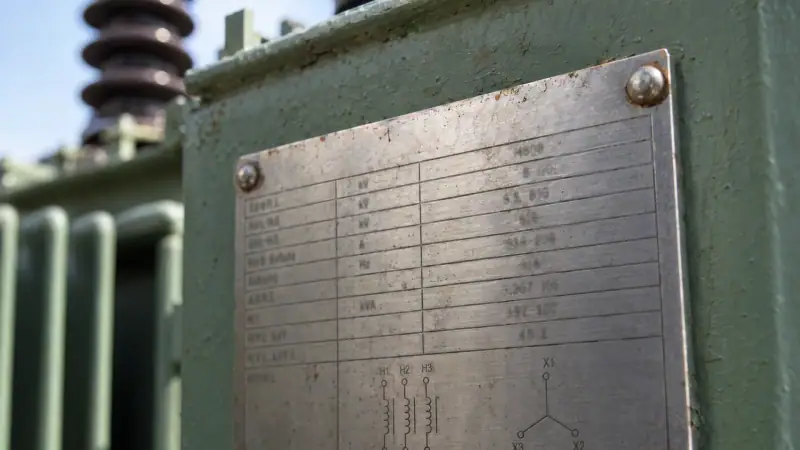
Start with the transformer’s nameplate, not a guess based on cabinet size. We need the manufacturer, kVA or MVA rating, primary and secondary voltages, phase, serial number and any listed fluid information. A clear photograph usually gives us more useful information than a description such as “large commercial transformer.”
Our guide to reading a transformer nameplate explains which fields matter when requesting an offer. If the plate is faded or partly hidden, send the clearest picture you can and tell us what you can read. Include separate plates on accessories when they help identify the unit.
Before contacting us, gather:
- A close-up of the complete nameplate.
- Full-unit photographs from several sides.
- Views of terminals, bushings, cabinets and visible damage.
- The unit’s location and whether it is connected, disconnected or stored.
- Quantity and separate identification for each transformer in a group.
Use our transformer photo checklist to build a useful photo set. Photograph only areas you can safely access; do not open energized compartments to obtain pictures.
Use a Transformer Value Guide Before Choosing Scrap
A transformer’s selling value depends on more than its size or metal content. We review its electrical ratings, type, age, condition, fluid status and available test results. New equipment still in its crate, a working unit removed during an upgrade and a failed transformer need different evaluations.
Our used transformer value guide explains the information that supports an offer. Tell us why the unit became available and what you know about its last use. A known failure, missing components or outdoor storage history belongs in the initial description, not just in the pickup conversation.
Read our comparison of transformer scrap value versus resale before removing parts. A complete unit may have reuse potential that changes once bushings, terminals or other components are removed. We also buy damaged and scrap units, so send photos before deciding which route to pursue.
Our guide to copper in a transformer covers another common question. Windings may be copper or aluminum, and cabinet dimensions do not establish recoverable metal weight. Share winding material if documentation identifies it; otherwise, tell us it is unknown.
Gather Oil, PCB and Test Records for Oil-Filled Units
For oil-filled transformers, tell us the fluid type shown on the nameplate or in service records. Mineral oil, FR3 or another natural ester, and silicone are different fluids, so we need the actual identification rather than a general description of “transformer oil.” Also note visible leaks, missing fittings or evidence that fluid has been drained.
Our guide to PCB testing and transformer labels explains what to look for in labels and records. Send available PCB documentation, including the laboratory report if you have it. If the status is unknown, say so; age or appearance alone is not a substitute for documented information.
Existing maintenance reports can also help us review the unit. The guide to transformer oil testing and dissolved gas analysis explains common records associated with oil condition and operating history. Include report dates and confirm which serial number each report covers.
You do not need to commission every possible test before contacting us. Send what you have so we can review the information gaps. PCB handling and disposal requirements depend on the equipment and circumstances; confirm current requirements with qualified professionals before taking action.
Confirm Ownership and Document the Unit’s History
Before arranging a sale, confirm that you own the transformer or have authority to sell it. A transformer on your property may belong to the serving utility. Property owners cannot sell utility-owned equipment simply because it sits beside their building or serves their electrical system.
Our guide to transformer ownership and paperwork helps you organize the records relevant to a sale. Purchase documents, asset records, removal paperwork and written authorization can help establish who controls the equipment. Tell us early if a contractor, landlord, tenant or project owner must approve the transaction.
For equipment removed during a renovation or facility closure, keep the unit’s identity tied to its history. Mark photographs and records by serial number, especially when several similar transformers are stored together. We need to know which test report, condition description and ownership record applies to each unit.
For new surplus equipment, photograph the crate markings and available documentation. Tell us whether the crate has been opened and where the unit has been stored. For used equipment, explain when and why it was removed from service.
Plan Pickup Around Weight, Access and Loading
A useful pickup plan starts with the transformer’s location and access route. Tell us if it is on an outdoor pad, inside a mechanical room, below grade or in a fenced yard. Include photographs showing doorways, gates, loading areas and obstacles between the unit and the truck position.
Use the nameplate or manufacturer documentation for weight whenever available. kVA alone is not enough to select lifting equipment: oil-filled and dry-type transformers with similar electrical ratings can have different dimensions and weights. If the weight is unknown, send the identifying information rather than treating an estimate as a lifting specification.
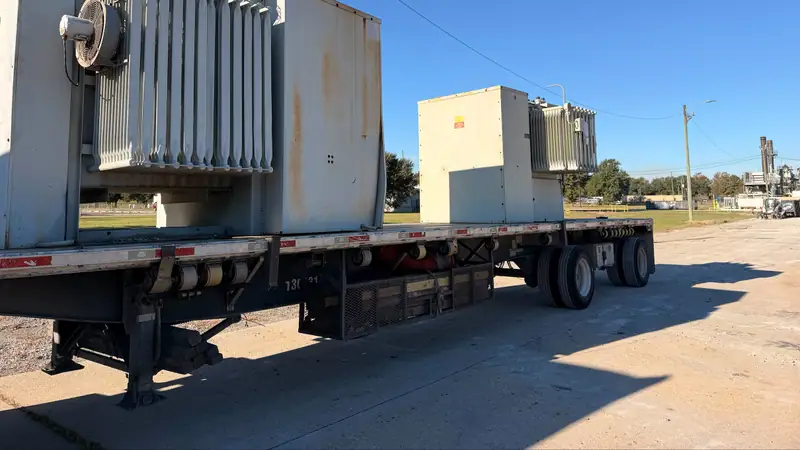
Our guide to loading and shipping a transformer covers the details to gather before transport. We coordinate rigging, forklift or crane needs and flatbed, step-deck or lowboy trucking as appropriate. You can also load the equipment if that is your preference and part of the agreed plan.
We have no public storefront or drop-off yard in New York; we coordinate pickup at the seller’s location statewide. Tell us about building access restrictions and loading arrangements before scheduling. Connected equipment must be safely disconnected by qualified personnel before removal.
Turn Your Photos and Records Into a Written Offer
Once you have the basic information, call or text 951-403-5738 or use our online transformer offer form. Start with nameplate and full-unit photos, the pickup location, quantity and known condition. Do not delay the initial inquiry because an older maintenance report or original purchase record is missing.
We review the transformer’s type, capacity, voltages, age, condition, fluid and PCB status, plus test data when available. We then provide a written offer. For a group of units, identify each transformer separately so we can review the equipment and plan the pickup accurately.
The sale follows these steps:
- We review your photos and basic details.
- We provide a written offer and agree on terms.
- We schedule pickup and coordinate the loading and trucking plan.
- We perform a quick inspection at pickup to confirm the unit matches the photos.
- We pay by check, ACH or wire under the agreed terms.
Tell us about any changes after submitting photos, including damage, removed components or a new storage location. Keeping the description current helps us align the written offer with the equipment available for pickup.
Questions sellers ask about Seller Guides
How do I sell a used electrical transformer in New York?
Send us clear nameplate photos, full-unit pictures, the location and a description of its condition. Include fluid and PCB records and test data if available. We review the details, provide a written offer and coordinate pickup. At pickup, we confirm the transformer matches the photos and pay under the agreed terms.
How do I find out what my transformer is worth?
Start with its ratings, type, age, condition and available records. We also review fluid and PCB status for oil-filled equipment. Size or estimated copper content alone is not enough to establish value. Send photos before dismantling the transformer so we can consider the complete unit for resale or scrap.
Can I sell a transformer without test reports?
Yes, you can contact us without test reports. Send the nameplate, photos and an honest description of what you know, including any failure or damage. We buy equipment in several conditions, including failed and scrap units. Missing records may leave questions to resolve, especially about fluid and PCB status.
Do transformer buyers pick up equipment anywhere in New York?
We coordinate transformer pickup anywhere in New York State, from one unit to an entire yard. We review location, access, weight information and loading needs before scheduling. We can coordinate rigging and trucking, or you can load under the agreed plan. We do not operate a public New York drop-off yard.