Photos to Send When You Sell a Transformer
A useful photo set lets us identify the transformer, assess its visible condition and understand the pickup. Send pictures of the actual unit, not a catalog image or a photo of another transformer with similar ratings. If you have several units, keep each transformer's pictures grouped together.
Use this checklist before submitting your transformer offer request:
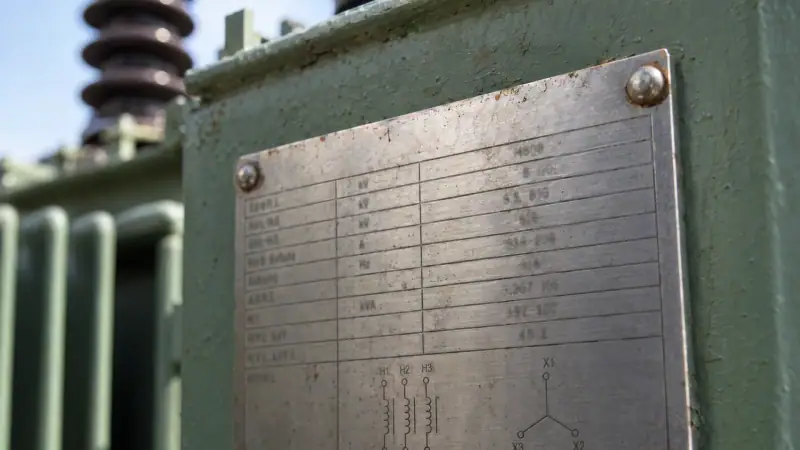
- Nameplate: A sharp, glare-free photo with the entire plate readable.
- All four sides: Full views showing the enclosure, base and attached components.
- HV and LV compartments: Existing photos or safely available views of both connection areas.
- Bushings: Close-ups showing terminals, insulators and visible damage.
- Radiators: Full views and close-ups of bent, corroded or leaking areas.
- Gauges and oil level: Readable instruments, including the liquid-level indicator where fitted.
- PCB label: Any PCB information, fluid label or sampling tag.
- Damage and leaks: Both a close-up and a wider view.
- Pickup access: Doorways, the removal route, crane access and the street or loading area.
Not every transformer has every item listed. For example, a dry-type unit has no oil-level gauge; photograph its enclosure and visible coil assembly instead.
Make the Nameplate Readable Before Taking Detail Photos
The nameplate is the most useful identification photo. We review the manufacturer, serial number, kVA or MVA rating, primary and secondary voltages, phase, frequency and other listed specifications. For liquid-filled units, include any separate plate showing fluid type, fluid quantity or total weight.
Take one straight-on picture of the complete plate, then closer pictures if the lettering is too small to read in a single frame. Keep the phone parallel to the plate and move your light source or camera position until glare clears. Check the saved image by zooming in on the voltage and serial-number lines before sending it.
If the plate is faded, send the clearest photo you can and type out the characters you can confidently read. Include any existing equipment records that identify the same serial number. Our guide to standard transformer sizes explains common ratings, but use the actual nameplate for your unit's specifications rather than estimating from enclosure size.
Show the Enclosure, Connections and Cooling Components
Stand far enough back to capture the complete transformer from each of its four sides. Include the base, doors, lifting points and external attachments, rather than cropping tightly around the tank. These views help us distinguish missing parts from components that are simply hidden in another picture.
For padmount transformers, include available views of both the high-voltage and low-voltage compartments. Show bushings, cable connections, terminal labels and compartment condition. For oil-filled transformers with external radiators, photograph the radiator banks and their connections to the tank; show cracked bushings, bent fins or missing components separately.
Do not open compartments, remove covers or approach exposed electrical parts just to take photos; have qualified personnel confirm safe access and use existing inspection pictures when needed. Utility-owned transformers belong to the utility and cannot be sold by the property owner.
If a compartment is inaccessible, tell us that in your message. We can review the exterior pictures and available records first, then identify any additional information needed for an offer.
Photograph Fluid Labels, Gauges, Leaks and Damage
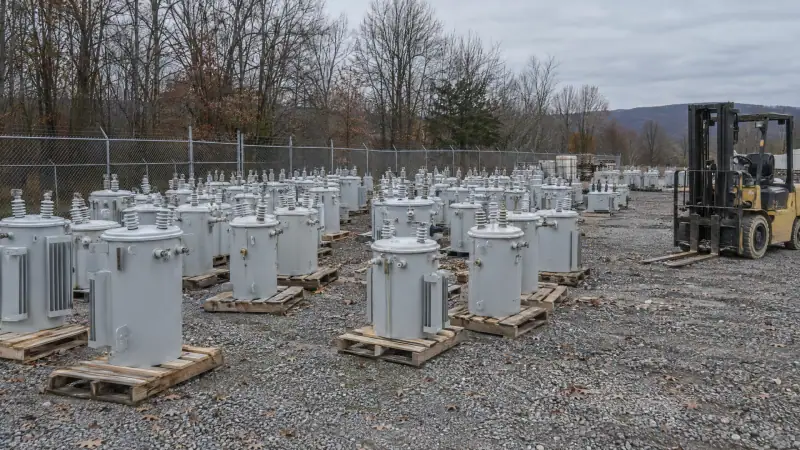
Photograph each readable fluid or PCB label, including labels applied after testing or servicing. A missing label leaves the status unknown; it is not evidence that the fluid is PCB-free. Send available sampling reports with the photos, and confirm current handling requirements with the appropriate professionals if PCB status is uncertain.
Show the oil-level indicator and other fitted gauges straight on so the markings are readable. Include temperature and pressure/vacuum gauges where present, and tell us whether the unit is in service, stored or removed from service. A gauge photo records what the instrument displays; it does not establish the transformer's internal condition.
For visible leaks or damage, take a close-up and a wider picture showing where the issue sits on the unit. Include wet seams, stained radiator connections, damaged doors, corrosion and any missing parts. Available oil test reports can add information that photos cannot show; our oil testing and DGA guide explains the records worth sending with an oil-filled transformer.
Show How the Transformer Can Reach the Truck
Pickup photos should cover the route from the transformer to the loading position. Start with a wide view of where it sits, then photograph doorways, corridors, gates, loading docks and the outdoor approach. Include stairs, raised thresholds, low overhead clearance, soft ground or other obstacles along that route.
For an indoor unit, send doorway measurements and note any turns between the equipment room and the exit. For an outdoor unit, show the space available for a forklift or crane, nearby overhead lines and where a truck could stage. Street photos are especially helpful when access depends on curb space or a narrow entrance.
Photograph any weight marking on the nameplate and send dimensions if available. Our transformer weight guide provides approximate planning ranges, but lifting and transport arrangements need the unit's actual documented weight.
For a basement or upper-floor location, our NYC building removal guide covers additional access questions. We coordinate pickup at the seller's location; we do not have a public New York drop-off yard.
Take Clear Phone Photos and Send Them With Basic Details
Wipe the camera lens, use good light and hold the phone steady. Avoid digital zoom when a safely taken closer picture will be clearer. Review each image before leaving the site, especially small nameplate lettering, gauge markings and fluid labels. Send original images when possible rather than screenshots or compressed collages.
Text the pictures to 951-403-5738 with your name, the unit's New York location and these basic details:
- Number of transformers and which pictures belong to each one.
- Known age, operating condition and reason for removal.
- Fluid type and PCB status, if documented.
- Available test reports and known failures or repairs.
- Removal deadline, access restrictions and available loading equipment.
We review the photos and details, request clarification where needed and provide a written offer. Our buying process also covers pickup coordination, the inspection to confirm the unit matches the photos and payment under the agreed terms. Tell us if you prefer to load the transformer yourself; otherwise, we coordinate the required handling and trucking.
Questions sellers ask about Photos to Send
What photos do I need to sell a transformer?
Start with a sharp nameplate photo and full views of all four sides. Add safely available compartment views, bushings, radiators, gauges, fluid and PCB labels, and any damage or leaks. Finish with pictures of the pickup route and loading area. Send only the items that apply to your transformer.
Can I get a transformer offer if the nameplate is missing?
Send exterior photos, any remaining labels and records that identify the unit. Tell us the known rating, voltages, age and condition, and distinguish documented information from estimates. We review what you have and explain what else is needed. Missing identification can limit how specifically we can evaluate the transformer.
Do I have to open transformer compartments for photos?
No. Do not open electrical compartments or remove covers just to obtain pictures. Send exterior views and existing inspection photos first. If connection details are needed, qualified personnel should confirm safe access. Tell us which compartments were not photographed so we can identify the information still needed for review.
Can I text photos of a damaged or leaking transformer?
Yes. We buy damaged, failed and scrap transformers as well as usable units. Send close-ups of the problem and wider photos showing its location, plus the nameplate and available fluid records. Describe known failures, leaks or missing components so we can consider the condition and handling needs when reviewing an offer.