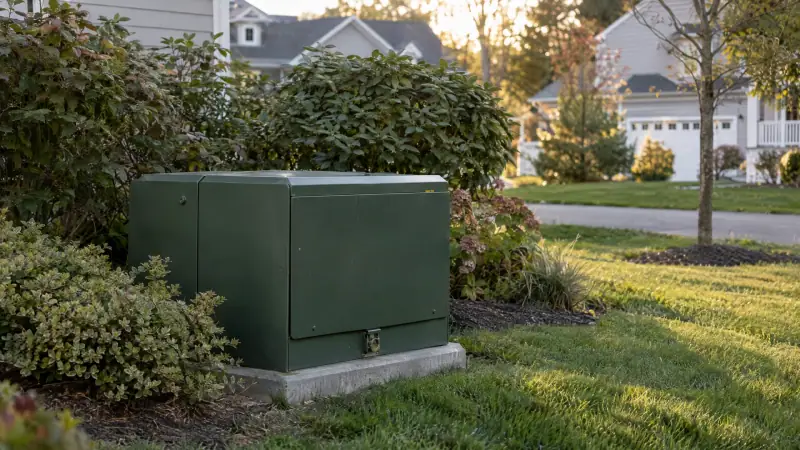
Single-phase padmount transformer buyers for NY subdivisions
We buy single-phase pad-mounted transformers left over from subdivision construction, held as spare inventory or removed from residential distribution service. These are the enclosed, ground-level units that serve homes through underground cables. We review new-in-crate equipment, unused units stored outdoors, used transformers and damaged or failed units offered for scrap.
Common residential sizes fall roughly in the 25–167 kVA range, including 25, 37.5, 50, 75, 100 and 167 kVA units. Use the actual nameplate rating when describing your equipment; cabinet dimensions alone are not a reliable way to identify capacity. We consider one transformer or a yard containing multiple units with different ratings.
Most units in this category are oil-filled distribution transformers. Tell us what fluid is listed on each nameplate and whether any fluid has been drained or replaced. Only offer equipment you own or are authorized to sell: a utility-owned transformer on your property belongs to the utility.
Nameplate details that identify a residential padmount unit
A clear nameplate photo is the most useful starting point. A residential padmount transformer commonly has a 120/240 V secondary, but its primary voltage, connection arrangement and other specifications must match the intended distribution system. We review those details rather than treating all single-phase cabinets as interchangeable.
Send the following information for each unit, or for each matching group:
- Manufacturer, model and serial number.
- kVA rating, primary voltage, secondary voltage and available taps.
- Manufacturing date, impedance and fluid information shown on the plate.
- Any utility specification number or purchase specification available.
- Photos of the cabinet, identification labels and accessible connection areas.
Our transformer nameplate guide explains where to find the main ratings. For a mixed inventory, label your photos by unit so we can connect each plate to the correct cabinet. Our transformer size information also helps organize a list by capacity. If a plate is unreadable, send the markings you can find and any original paperwork.
New surplus and utility-spec inventory
We buy new surplus single-phase padmount units from canceled projects, revised subdivision plans and excess purchasing. Tell us if the transformer remains in its original crate, has been unpacked or has been sitting outside. Include photos of the packaging, cabinet finish, labels and any visible shipping or storage damage.
Utility-spec equipment needs more detail than a kVA rating and a secondary voltage. Primary ratings, dead-front or live-front construction, loop-feed or radial-feed arrangements, bushings and specified accessories help identify the unit. A transformer built for one utility's specifications may not suit another system, so send the specification sheet or purchase documents if you have them.
Include the manufacturer exactly as shown on the plate. We review makes such as Eaton and Cooper Power Systems, along with other brands. We are an independent buyer, not a utility or manufacturer representative. For multiple unused units, send a count by rating and note any differences between otherwise similar cabinets.
Used, removed-from-service and failed transformers
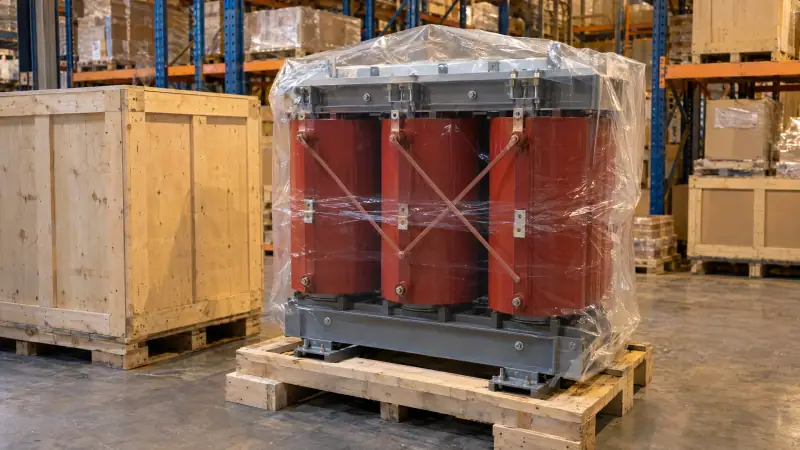
We buy used single-phase padmount transformers as well as decommissioned, damaged and failed units. Tell us when each unit was removed, why it came out of service and whether it was operating at removal. A replacement caused by a subdivision load change is different from a removal following a fault, leak or damaged connection.
Useful condition details include cabinet corrosion, missing doors or covers, damaged bushings, evidence of leakage and any known internal failure. Send available test reports, but tell us plainly if no testing has been performed. Our used transformer buying information describes the details we review before making an offer.
We also review fluid and PCB status. Photograph fluid labels and share any sampling records or laboratory results, especially for older equipment or units with an uncertain service history. See our PCB testing and label guide for general background. Confirm current handling and disposal requirements with the appropriate professionals; these records help us evaluate the unit and plan its pickup.
Pickup from subdivision sites, storage yards and facilities
We coordinate pickup anywhere in New York State, including subdivision construction sites, contractor storage yards and facility properties. We have no public storefront or drop-off yard in New York; we come to the seller. Our New York service area covers statewide pickup coordination for a single unit or a larger inventory.
Before scheduling, tell us whether the transformer is still on its pad, has been moved to a pallet or remains in a crate. Send photos showing truck access, overhead obstructions, ground conditions and the route from the unit to the loading area. Give us the nameplate weight if available rather than estimating weight from cabinet size.
We coordinate forklift or crane handling and appropriate flatbed, step-deck or lowboy trucking. You may load the equipment if you prefer, with the loading arrangements agreed in advance. Connected equipment must be safely de-energized and disconnected by qualified personnel before removal. The pickup inspection confirms that the transformer matches the photos and details used for the offer.
Get a written offer for your single-phase padmount inventory
Call or text 951-403-5738 with nameplate photos, the number of units and the pickup town or ZIP code. You can also use our online offer form. For one transformer, a readable plate and several cabinet photos are a useful starting package; for a group, add a simple inventory showing each unit's rating and condition.
We review type, kVA, voltages, age, condition, fluid and PCB status, plus test data when available. Those details help us assess the equipment and the work needed to collect it. Include missing components, known damage and access restrictions before we prepare the written offer.
After you accept, we agree on pickup, loading responsibilities and payment terms. Payment is by check, ACH or wire under those terms. Our buying and pickup process explains the sequence from equipment review through collection. Keep each unit identifiable until pickup, particularly when several cabinets look alike but have different nameplates.
Questions sellers ask about Single-Phase Padmount
Who buys single-phase padmount transformers in New York?
We buy single-phase padmount transformers throughout New York State, including new surplus, used, removed-from-service and failed units. Send nameplate photos, cabinet photos, condition details and the pickup location. We review the equipment, provide a written offer and coordinate pickup after the offer and terms are accepted.
Do you buy 25 kVA and 75 kVA residential padmount transformers?
Yes, we review both 25 kVA and 75 kVA single-phase residential padmount transformers, along with other common residential ratings. Send the actual nameplate information, especially primary voltage and secondary voltage. Capacity alone is not enough to identify the unit or determine an offer; condition, fluid information and specifications also matter.
Can I sell the padmount transformer in front of my house?
Only if you own it or have authorization from its owner to sell it. A transformer serving your house may belong to the utility even when it sits on your property. Confirm ownership before offering it. Do not open or disconnect energized equipment; connected units require qualified personnel before removal.
Will you buy a leaking or failed single-phase padmount transformer?
We review leaking, damaged and failed units for purchase, including scrap equipment. Send photos of the damage, describe the failure and provide fluid and PCB records if available. Tell us about any active leak before pickup planning. Handling arrangements depend on the condition, and current environmental requirements should be confirmed with appropriate professionals.