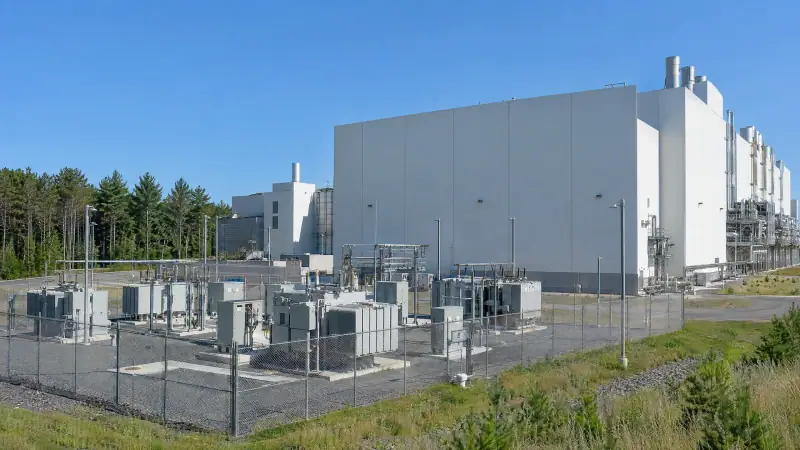
Unit Substation Transformer Buyers for New York Facilities
A secondary unit substation combines a transformer with a closely connected primary switch and secondary switchgear. The transformer reduces the incoming distribution voltage to the voltage used by the facility. Close-coupled equipment saves space, but the adjoining sections affect how the transformer can be separated and moved.
We buy transformer sections from these installations, including equipment removed during electrical upgrades, building renovations and plant closures. We also review new-in-crate surplus and units that have failed or reached the end of their service life. One transformer or multiple units can be submitted for an offer.
Tell us if you want to sell the transformer section alone or have us review the whole lineup. Include a wide photo showing the primary switch, transformer enclosure and secondary switchgear, and identify which sections belong to you. We establish the purchase scope before scheduling removal; a property owner cannot sell a utility-owned transformer.
For equipment that is not close-coupled to a building lineup, see our page on substation transformers.
Dry-Type and Liquid-Filled Transformer Sections
The transformer inside a secondary unit substation may be dry-type or liquid-filled. Send the nameplate rather than identifying the unit from its enclosure alone. Cooling design, insulation system, kVA rating and winding voltages help us determine what you have and how to evaluate it.
We review dry-type transformers with ventilated enclosures, along with cast coil transformers. Include clear photographs of accessible coils, enclosure panels and visible damage. If fans are fitted, show their condition and include any separate fan-cooling rating listed on the plate.
For oil-filled transformer sections, identify the fluid as mineral oil, natural ester such as FR3, or silicone when that information is available. Photograph the tank, radiators, gauges and any leaks. Tell us if the unit still contains fluid or has been drained.
Age alone is not the basis for our offer. We review the electrical ratings, condition, available test records and removal requirements together. Describe overheating, water exposure or an internal failure plainly so we can assess the unit in its actual condition.
Nameplate Details and Photos for a Useful Offer
A readable nameplate is the starting point when you want to sell a unit substation transformer. Photograph the full plate straight on, then take closer images if small lettering is difficult to read. Our guide to reading a transformer nameplate explains where to find the main ratings.
Send these details with your photos:
- Manufacturer, model and serial number, if readable.
- kVA rating, phase, frequency, primary voltage and secondary voltage.
- Tap information and any additional cooling ratings.
- Approximate age, operating condition and reason for removal.
- Fluid type and PCB information for liquid-filled equipment.
- Test reports, drawings and maintenance records, if available.
Also photograph the connections on both sides of the transformer. Bolted bus connections, flexible connections and enclosed transition sections can affect the separation work. An overall lineup drawing is useful when the connection points are hidden behind panels.
Do not estimate shipping weight from kVA alone. Use the nameplate weight or manufacturer’s documentation where available, and tell us whether the figure includes fluid, enclosure or attached accessories.
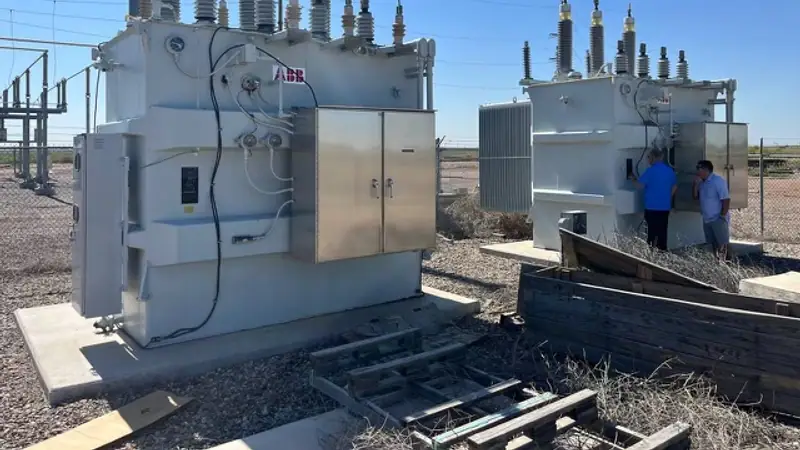
Separating the Transformer From an Existing Lineup
Selling only the transformer section requires a clear separation plan. Before pickup, we need to know how it connects to the primary switch and secondary switchgear, which adjoining equipment will remain, and whether the transformer has already been disconnected. Photos and drawings help us define the removal scope before trucks or lifting equipment are scheduled.
Have qualified electrical personnel handle shutdown, isolation, verification of de-energization and electrical disconnection. If part of the lineup will stay in service, your facility’s electrical team should determine the work needed to protect and restore that remaining equipment. We coordinate pickup around the agreed readiness conditions rather than treating an installed transformer as loose freight.
For liquid-filled units, send PCB labels or fluid test records with the offer request. Our PCB testing and labels guide provides general background; confirm current handling and disposal requirements with the appropriate professionals.
Tell us about missing covers, damaged connections, leaking fluid or sections already dismantled. These details help us assess both the transformer and the practical work required to remove it.
Indoor Rigging, Doorways and the Route to the Truck
Building access is a major part of a unit substation pickup. A transformer may fit comfortably in an electrical room but still require careful planning to pass through the doorway, corridor or loading area. Send photos of the complete route, not just the equipment room.
Useful access details include:
- Transformer dimensions and documented weight.
- Door openings, corridor widths and overhead clearance.
- Basement locations, stairs, elevators or changes in floor level.
- Loading dock access and the distance to the truck position.
- Available lifting points and any existing removal drawings.
- Site work windows and restrictions on occupied areas.
We coordinate rigging, forklift or crane needs and flatbed, step-deck or lowboy trucking according to the unit and site. Your contractor can load the transformer if that is your preferred arrangement. Any proposed disassembly should be identified in advance so everyone understands what must be separated before loading.
At hospitals and campuses, tell us about scheduled shutdowns, restricted corridors and delivery access rules. We coordinate pickups across our New York service area; we do not operate a public New York drop-off yard.
From Equipment Review to Pickup and Payment
Call or text 951-403-5738, or send photos through our online offer form. Include the site location, your contact information, nameplate images and the access details described above. If several transformer sections are available, identify each one separately so ratings and condition do not get mixed together.
We review transformer type, kVA, voltages, age, condition, fluid and PCB status, plus test data when available. We then provide a written offer based on the equipment and agreed purchase scope. Tell us your removal deadline and whether the unit is still installed, disconnected or already staged for loading.
After terms are agreed, we schedule pickup and coordinate the required handling and transportation. A quick inspection at pickup confirms that the transformer matches the photos and description. Payment is by check, ACH or wire under the agreed terms.
Our buying process explains the sequence from submission through payment. For indoor unit substations, clear photos of the connections and exit route are especially useful for defining the pickup plan.
Questions sellers ask about Unit Substations
Who buys used unit substation transformers in New York?
We buy used unit substation transformer sections anywhere in New York State, including units from hospitals, campuses and industrial plants. We also review surplus, decommissioned, failed and scrap units. Send readable nameplate photos, the equipment’s condition and pictures of its location so we can evaluate it and coordinate pickup.
Can I sell the transformer without selling the switchgear?
Yes, we can review the transformer section alone. Show us its connections to the primary switch and secondary switchgear, and identify the equipment that will remain. Your electrical contractor should plan disconnection and any work needed on the remaining lineup. We establish the purchase and removal scope before scheduling pickup.
Do you buy a complete secondary unit substation lineup?
We can review the whole lineup as part of a transformer purchase. Send an overall photo, the transformer nameplate and information identifying the adjoining sections included in the sale. We confirm what is included in the written offer. Also tell us whether the lineup is installed, dismantled or already staged for loading.
Can you pick up a unit substation transformer inside a building?
We coordinate indoor removal logistics, including rigging and appropriate trucking. Send dimensions, documented weight and photos of doorways, corridors, floor-level changes and the loading area. Electrical disconnection must be handled by qualified personnel. We use the access information to plan handling rather than assuming the transformer can move out intact.
Can I sell a failed liquid-filled unit substation transformer?
We review failed and damaged liquid-filled transformer sections as well as working units. Describe the failure, leaks, missing parts and current fluid condition. Include PCB labels or test records if available. The offer depends on the unit’s ratings, condition, fluid information and the handling required to remove it.