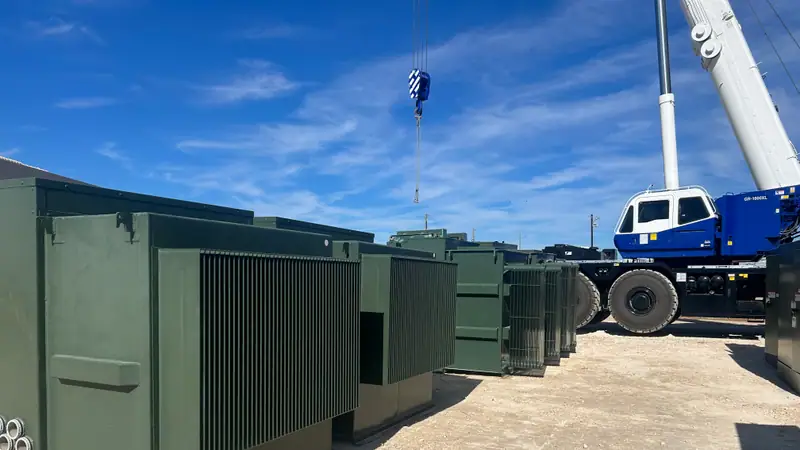
Westinghouse Transformer Buyers for Legacy Equipment
Westinghouse transformers remain in industrial facilities, commercial buildings and older distribution systems. A unit may become available after a voltage change, equipment replacement, building closure or removal of an unused service. We review both working equipment and units that have reached the end of their useful service life.
We buy one transformer or a group of units. Equipment suitable for another installation may have resale value; failed or incomplete equipment may be evaluated for material value. Our review starts with the actual transformer—not the brand name alone—and includes its rating, construction, condition and available records.
Westinghouse's transformer business later became part of ABB. That history can help explain older documentation, but send the manufacturer and identifying information exactly as they appear on your unit. Our ABB / Hitachi Energy buying page covers equipment carrying those names.
We are an independent buyer, not affiliated with or endorsed by Westinghouse, ABB or another manufacturer. Utility-owned transformers belong to the utility and cannot be sold by the property owner.
Westinghouse Distribution, Dry-Type and Power Units We Buy
We review legacy Westinghouse equipment across several categories, with buying decisions based on the details of each unit:
- Distribution transformers: Single-phase and three-phase pole-mount and padmount units, including equipment removed during service upgrades.
- Dry-type transformers: Low- and medium-voltage units used for building distribution, industrial loads and isolation duties.
- Substation and unit-substation transformers: Oil-filled or dry-type equipment being replaced, relocated or retired from a facility.
- Power transformers: Larger MVA-rated units, including equipment removed from generating facilities or substations.
- Network and vault transformers: Units from underground or indoor distribution installations, subject to access and fluid review.
Our general buying range is roughly 15 kVA through 20+ MVA. Use the nameplate rating rather than estimating capacity from the enclosure's dimensions.
For Westinghouse padmount transformers, photograph the cabinet, compartments and fluid labels. For dry-type transformer sales, show the enclosure, coils where safely visible, and signs of overheating or moisture exposure. Tell us if breakers, switches or other adjacent equipment remain attached so we can understand the removal scope.
Nameplate Data and Photos for a Westinghouse Offer
The clearest starting point is a readable photo of the full nameplate. Older plates may be faded, painted over or mounted where glare obscures the lettering. Send an additional close-up of difficult areas rather than relying on a typed summary alone. Our transformer nameplate guide explains where to find the main ratings.
Include these details when available:
- Manufacturer, serial number, type or series designation, and manufacturing date.
- kVA or MVA rating, phase, frequency, and primary and secondary voltages.
- Tap information, impedance, cooling designation and listed weight.
- Fluid type, fluid quantity, PCB labels and laboratory reports for liquid-filled units.
- Operating history, removal date, known faults and electrical test results.
Also send overall views, bushing or terminal photos, and pictures of leaks, corrosion, missing parts or damaged cabinets. Include the route from the transformer to the loading area, especially for basement and vault installations. Our photo checklist for transformer sellers helps you assemble a useful submission. Do not open energized compartments or approach exposed electrical parts to take pictures.
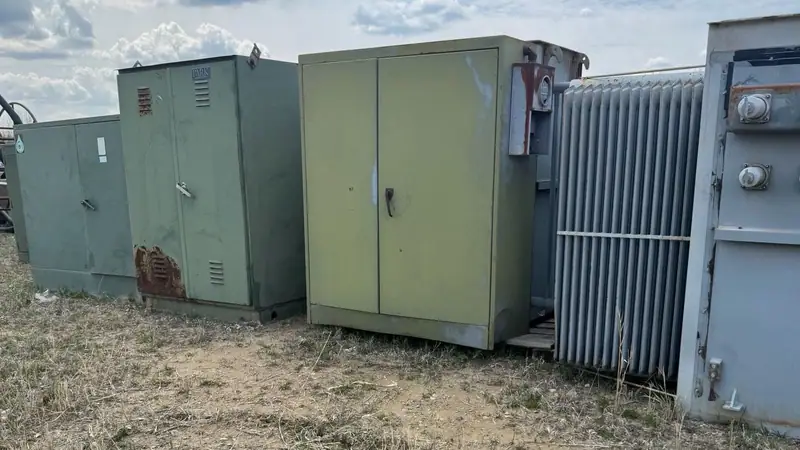
How Age, Series and Condition Affect the Buying Review
Age helps us understand a Westinghouse transformer, but it is only one part of the review. A complete older unit with useful voltages, readable identification and recent test records may warrant a resale review. A newer unit with winding damage, missing components or severe corrosion may be considered primarily for material recovery.
Send the series or type designation exactly as printed. It helps us identify the construction and compare the unit's configuration with potential applications. We do not assign value from a familiar series name alone; voltage combination, rating, impedance, cooling and physical condition all matter.
For older transformers offered for sale, maintenance records and documented operating condition provide useful context. Tell us if the unit was running normally before removal, tripped during a fault, sat outdoors for an extended period or was dismantled after failure.
Our review of used transformer equipment also considers completeness and pickup requirements. Keep available bushings, radiators, terminal covers and identification plates with the unit. Describe any removed components so the written offer reflects what is actually included.
PCB Verification for Older Oil-Filled Westinghouse Units
Older oil-filled Westinghouse transformers need a careful review of fluid information. The brand name, paint color or installation date is not enough to establish PCB status. We ask for existing labels, fluid records and laboratory results before deciding how to proceed with an offer and pickup planning.
A fluid replacement or retrofit should be described in the records you send. Include the fluid now in the transformer, any earlier fluid information, and the date and result of available testing. If the records are missing, tell us directly; we can identify what information is needed for the buying review rather than treating an unknown unit as documented non-PCB equipment.
Do not drain a transformer or mix its fluid with other oil to prepare it for sale. Report leaks, damaged tanks and any nearby fluid containers in your initial submission.
PCB classification, transport and disposal are subject to applicable requirements. Confirm current EPA, New York State and local requirements with qualified environmental personnel; this is general information, not legal advice. We review fluid status before agreeing on handling arrangements.
Sell a Westinghouse Transformer With Pickup in New York
To sell a Westinghouse transformer, call or text 951-403-5738 or send your photos through our online offer form. Include the pickup town, number of units, nameplate information, condition and fluid records. Tell us if the transformer remains installed, is already disconnected or is sitting in storage.
We review the submission and provide a written offer. Before scheduling pickup, we discuss access, removal readiness and loading responsibilities. A large substation transformer may need crane access and lowboy transport; a smaller dry-type unit may be handled with suitable forklift equipment. Nameplate weight and site conditions guide those arrangements.
We coordinate rigging, forklift or crane needs and flatbed, step-deck or lowboy trucking. You can load the equipment if you prefer and have suitable equipment. We come to the seller throughout New York State; we have no public New York storefront or drop-off yard.
At pickup, we make a quick inspection to confirm the unit matches the photos and description. Payment is by check, ACH or wire under the agreed terms. Our transformer buying process explains the steps from submission through collection.
Questions sellers ask about Westinghouse
Who buys used Westinghouse transformers in New York?
We buy used Westinghouse electrical transformers throughout New York State, including distribution, dry-type, substation and larger power units. Send nameplate photos, condition details and the pickup location for review. We evaluate one unit or multiple units and coordinate pickup at the seller's site rather than accepting public yard drop-offs.
Can I sell an old Westinghouse transformer without PCB records?
You can submit it for review, but tell us that PCB documentation is missing. For older liquid-filled units, we need to review fluid status before agreeing on handling arrangements. Send all available labels, maintenance records and fluid reports. Additional verification may be needed; do not drain the transformer to prepare it for sale.
Do failed Westinghouse transformers still have value?
We review failed, damaged and scrap Westinghouse transformers for potential material value. Describe the failure, missing components, fluid status and physical damage, and send clear photos. The buying decision depends on the unit's construction, completeness and collection requirements. A failure does not mean you need to dismantle it before contacting us.
Are you affiliated with Westinghouse or ABB?
No. We are an independent transformer buyer and are not affiliated with or endorsed by Westinghouse or ABB. Westinghouse's transformer business later became part of ABB, but we evaluate the equipment offered by its owner using the actual nameplate, condition, ratings and records. We do not provide manufacturer warranty service.