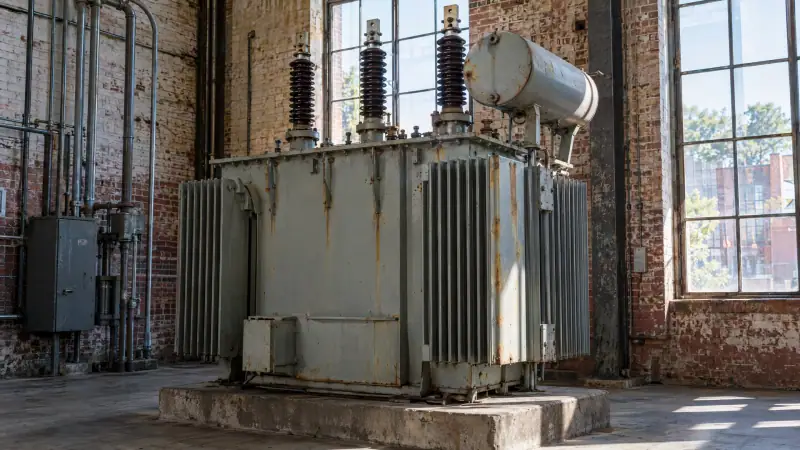
Old transformer buyers: resale value or material value?
Are old transformers worth anything? Yes, an older transformer may have resale value or value for its recoverable materials. Age matters, but it is only part of our review. We also consider kVA or MVA rating, primary and secondary voltages, phase, condition, available test results and the work needed to remove and transport it.
A complete, serviceable unit with usable ratings may be a resale candidate. A failed transformer, a unit with missing components or equipment with extensive deterioration may be evaluated mainly for materials. Copper or aluminum windings and steel contribute to that assessment, while fluid handling and removal requirements also affect the offer. We do not estimate copper content from age or brand alone.
Our guide to what a used transformer is worth explains the main value factors. As used transformer buyers, we review older equipment individually rather than treating every retired unit as scrap. Send the details before dismantling it; the complete unit gives us more information to work with.
What we buy
New surplus, used, decommissioned and failed units, from about 15 kVA to 20 MVA and up. One transformer or a whole yard.
What a 1960s–1990s transformer nameplate tells us
An old nameplate is often the most useful starting point. It identifies the transformer’s original ratings and helps us distinguish a potentially reusable unit from one better suited to material recovery. Photograph the entire plate straight on, then take close-ups if stamped characters are faint or the surface is corroded.
We look for:
- Manufacturer, serial number and manufacturing date, if shown.
- kVA or MVA rating, phase and frequency.
- Primary and secondary voltages, connections and tap settings.
- Cooling class, impedance and temperature-rise information.
- Fluid type, fluid quantity and total weight, if listed.
For older equipment, also photograph any replacement labels, inspection tags and service records. Tell us about rewinding, repairs or changes made after manufacture; the original plate may not describe every later modification. Use listed weights for planning rather than guessing from the enclosure size.
If the plate is missing or unreadable, send clear overall photos and whatever records remain. Our transformer photo guide helps you capture useful details without opening the unit. We can begin a review from incomplete information, but missing ratings may limit what we can establish.
PCB questions for older oil-filled transformers
Pre-1979 oil-filled transformers deserve particular attention to PCB history. A manufacturing date is a screening clue, not proof of the fluid’s present PCB concentration. Older units may have been serviced, drained or refilled, so we ask for fluid labels, laboratory results and maintenance records rather than relying on age alone.
Send any PCB test report you have, including its date and identification of the sampled unit. Tell us the stated fluid type and disclose known leaks, prior fluid changes or PCB labeling. A generic report from another transformer is not a substitute for records tied to the unit you want to sell.
If PCB status is unknown, say so at the start. We need that information when evaluating the offer and pickup arrangements; do not drain the transformer just to prepare it for sale. PCB handling, transport and disposal requirements depend on the equipment and fluid status. Confirm current EPA and New York requirements with qualified environmental professionals; this is general information, not legal advice.
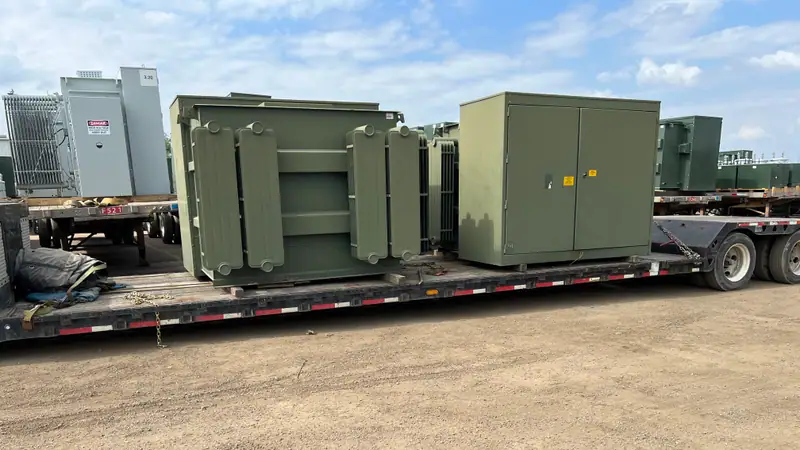
Westinghouse, GE and other legacy transformer brands
We review older Westinghouse, GE, McGraw-Edison and Allis-Chalmers transformers. A familiar legacy name helps identify the equipment, but the brand alone does not establish value. Electrical ratings, physical condition, fluid status and available records remain central to our offer. You can see more manufacturers on our transformer brands page.
For an older oil-filled substation unit, send photos of the tank, radiators, bushings, terminal areas and any visible leaks or damage. For a padmount, photograph the exterior and labels; share compartment photos only if they are already available from authorized personnel. Note missing doors, damaged bushings or removed accessories.
Older indoor units need a different review. With dry-type transformers, we look at the nameplate, enclosure, accessible winding photos and reported signs of overheating or moisture exposure. Dry-type units do not have an insulating-oil tank, so oil PCB questions are different from those for liquid-filled equipment. Do not open or approach energized equipment to obtain photos; use a qualified electrician where access is needed.
Pickup from old equipment rooms, yards and substations
We coordinate pickup across New York State and have no public storefront or drop-off yard in New York. If you searched for old transformer buyers near me, you do not need to bring the unit to a local buying counter. We come to the seller through our statewide New York pickup service, for one transformer or an entire yard.
Older installations often require more planning than a unit already sitting on an accessible loading pad. Tell us if the transformer is in a basement, behind a narrow doorway, inside a vault or beside equipment that must remain in place. Send photos of the route out, loading area and truck access, along with nameplate weight information.
We coordinate rigging, forklift or crane needs and flatbed, step-deck or lowboy trucking. You may load the transformer if you prefer, under the agreed arrangements. Identify who will handle disconnection and removal preparation before pickup is scheduled. Utility-owned transformers belong to the utility and cannot be sold by a property owner; confirm ownership before requesting an offer.
Send the details needed to sell an old transformer
To sell an old transformer, call or text 951-403-5738 or submit our online offer form. Start with the nameplate, overall photos, location and a short description of its condition. Tell us if it was operating when removed, failed in service, has been stored outdoors or has already had parts removed.
Include these details when available:
- Quantity and ownership confirmation.
- Age, kVA or MVA, voltages and phase.
- Fluid type and PCB records for liquid-filled units.
- Test reports, repair history and known defects.
- Access restrictions and available loading equipment.
We review the information and give you a written offer. For equipment headed toward material recovery, our scrap transformer buying page explains that side of the evaluation. You do not need to describe a failed unit as working equipment for us to consider it.
After agreement, we schedule pickup and perform a quick inspection to confirm the transformer matches the photos and description. Payment is by check, ACH or wire under the agreed terms. Our buying process lays out the steps from initial details through pickup and payment.
Questions sellers ask about Old Transformer Buyers
Are old transformers worth anything?
Yes. We evaluate older transformers for possible resale or recoverable materials. A complete unit with usable electrical ratings and documented condition may have resale potential. Failed or incomplete equipment may be evaluated mainly for materials. Send the nameplate, condition photos and fluid records so we can review the actual unit.
Who buys old transformers near me in New York?
We buy old electrical transformers anywhere in New York State and coordinate pickup at the seller’s location. We review one unit or an entire yard, including retired and failed equipment. We have no public New York drop-off yard, so send photos and location details before arranging any transport.
Can I sell a pre-1979 oil-filled transformer?
Contact us for review and disclose its fluid and PCB status. Pre-1979 manufacture raises PCB questions, but the date alone does not establish the current fluid concentration. Send unit-specific test results, labels and service records if available. Unknown PCB status needs to be addressed before handling and pickup arrangements are finalized.
Do you buy old Westinghouse or GE transformers?
We review older Westinghouse and GE units, along with McGraw-Edison and Allis-Chalmers transformers. We need more than the manufacturer’s name to make an offer: send ratings, condition photos, fluid information and available records. A legacy brand can help identify the equipment, but condition and specifications determine how we evaluate it.