Acme Electric Transformer Buyers for Dry-Type Equipment
We review Acme Electric low-voltage dry-type and general purpose transformers used to supply building loads, machinery, and other electrical equipment. Single-phase and three-phase units are both relevant. Start with the actual transformer nameplate, rather than a panel schedule or a description of the equipment it served.
The Acme categories most relevant to this page are:
- General purpose transformers: Send the phase, kVA rating, primary voltage, secondary voltage, and enclosure details.
- Low-voltage dry-type transformers: Include photos of the enclosure, ventilation openings, terminals, and any visible damage.
- Buck-boost transformers: Send the winding ratings and connection diagram so we can identify the unit and understand its previous application.
Our dry-type transformer buying page explains the broader equipment category. For an Acme unit, the series and catalog information help us distinguish between transformers that look similar but have different electrical ratings. If you have several units, give each one a separate identifier so its photos and details stay together.
Nameplate Details That Let Us Review Your Acme Unit
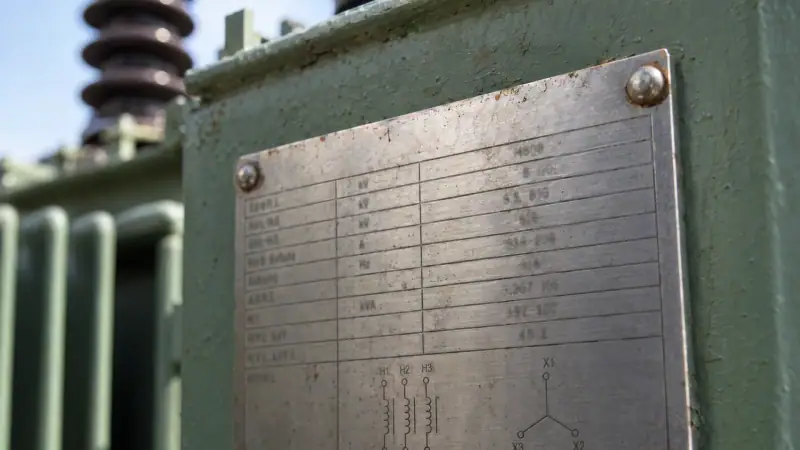
A readable nameplate is the most useful starting point when you want to sell an Acme Electric transformer. Photograph it straight on, with enough light to read every line. If the plate is scratched or partly missing, send the best image available and tell us which information you can confirm from records.
Include these details with your photos:
- Catalog or model designation and series, exactly as printed.
- Serial number and manufacturing date, if shown.
- kVA rating, phase, frequency, and primary and secondary voltages.
- Available taps, winding material, temperature rise, and insulation information, if listed.
- Enclosure type, nameplate weight, and overall dimensions, if available.
Our guide to reading a transformer nameplate can help you locate the electrical ratings. Also send a full-unit photo and close-ups of damaged areas; our transformer photo checklist covers useful views. Do not energize equipment or open an energized enclosure to obtain photos. Existing test reports are helpful, but you can submit a unit for review without them.
Buck-Boost Ratings Need the Connection Details
Acme buck-boost transformers need a little more information than a description such as “voltage correction transformer.” In a buck-boost application, the transformer can be connected as an autotransformer to raise or lower the supply voltage. Its nameplate winding rating and the load capacity of that connection describe different things, so we need both the label and the connection information.
Send the supply voltage, required load voltage, phase, and connection diagram if you have them. For a group connected together, tell us how many transformers were used and photograph each nameplate. Do not report the combined application capacity as the individual transformer's nameplate kVA.
If the units are already disconnected, say that and send any installation records you retained. We review the equipment offered, not just the load it once supplied. Our transformer size guide provides general sizing context, but the Acme nameplate remains the reference for identifying each unit. For loose inventory, include the quantity and note any missing terminals, covers, or labels.
How Age, Series, and Condition Affect the Offer
We consider age alongside the exact series, electrical ratings, condition, and available documentation. An older Acme transformer with a readable nameplate and known operating history gives us more useful information than an unidentified unit. New surplus equipment also needs a condition review: storage damage, missing parts, or moisture exposure matter even when the transformer was never installed.
For used Acme Electric transformers, tell us when the unit was removed and why. A building renovation, voltage change, or equipment replacement provides different context from a trip, overheating event, or winding failure. Include any test data and explain repairs or modifications you know about.
The series helps us identify the construction and specifications; age alone is not enough to set an offer. Our old transformer buying page covers older equipment, while our used transformer buying page explains what to send for previously operated units. We base the written offer on the specific transformer and the information supplied, rather than quoting from the brand name alone.
New Surplus, Removed Units, and Damaged Acme Transformers
We buy Acme transformers in new surplus, used, removed-from-service, decommissioned, damaged, failed, and scrap condition. Describe the condition directly so we can review the unit on that basis. A transformer removed while operating should be identified separately from one taken out after an electrical fault.
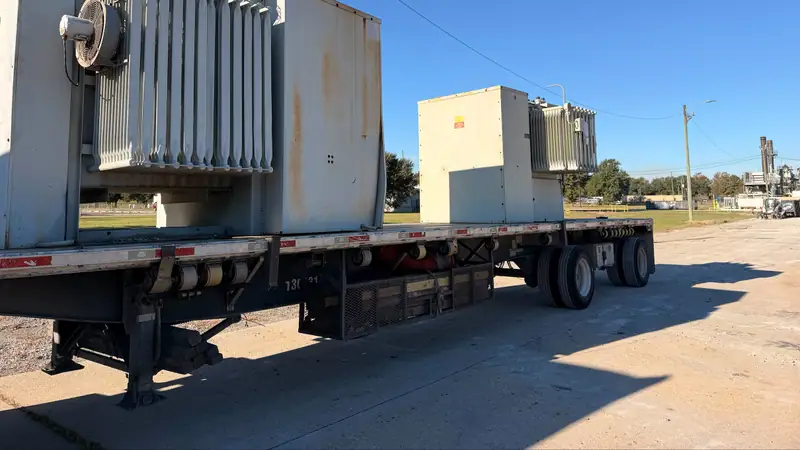
For new-in-crate equipment, photograph the packaging labels and any accessible nameplate. Tell us if the crate has been opened or damaged. For removed units, show the enclosure, base, lifting provisions, and terminals; note cut leads, missing panels, dents, corrosion, or evidence of overheating.
For failed equipment, describe the known failure and send existing inspection or test records. Keep loose covers and other transformer parts with the unit when available, and identify which parts belong to it. If several Acme units are being cleared from a facility, an inventory with one row per transformer helps us review the group. Only offer equipment you own or are authorized to sell; utility-owned transformers belong to the utility, not the property owner.
Written Offers and Pickup Across New York State
Call or text 951-403-5738, or use our online offer form to send the Acme nameplate photos, condition, quantity, and pickup location. We review the ratings, age, series, and available test data, then provide a written offer. Tell us early if the transformer is still installed or if removal depends on a scheduled electrical shutdown.
Once terms are agreed, we schedule pickup and coordinate the needed handling and transportation. Include floor level, loading-dock access, doorway restrictions, and the nameplate weight if available. Depending on the unit and site, handling may involve a forklift, rigging, or a crane, with suitable trucking; you can load the equipment if you prefer.
We coordinate pickup throughout our New York State service area, but we have no public storefront or drop-off yard in New York. At pickup, we make a quick inspection to confirm the equipment matches the photos. Payment is by check, ACH, or wire under the agreed terms. Our selling process explains the steps from submission through pickup.
Questions sellers ask about Acme Electric
Who buys used Acme Electric transformers in New York?
We buy used Acme Electric transformers throughout New York State, including low-voltage dry-type, general purpose, and buck-boost units. Send the nameplate photos, condition, quantity, and location for review. We coordinate pickup at the seller's site and are an independent buyer, not an Acme Electric dealer or manufacturer representative.
Can I sell an Acme buck-boost transformer?
You can submit an Acme buck-boost transformer for review. Send its nameplate, winding voltages, kVA rating, and connection diagram if available. If multiple units were connected together, identify each one separately. The capacity of a buck-boost application is not the same as the individual transformer's nameplate winding rating.
Do you buy old or failed Acme Electric transformers?
Yes, we review older, damaged, failed, and scrap Acme transformers as well as working units. Tell us why the transformer was removed and describe any known failure, missing parts, or modifications. A readable nameplate, clear condition photos, and existing test records help us assess the equipment and prepare a written offer.
What information do I need to sell an Acme Electric transformer?
Start with clear nameplate and full-unit photos, then provide the quantity, condition, and pickup location. Include the catalog designation, series, kVA, phase, and primary and secondary voltages. Tell us whether the unit is disconnected and whether loading equipment is available. Existing test data and removal records are helpful if you have them.