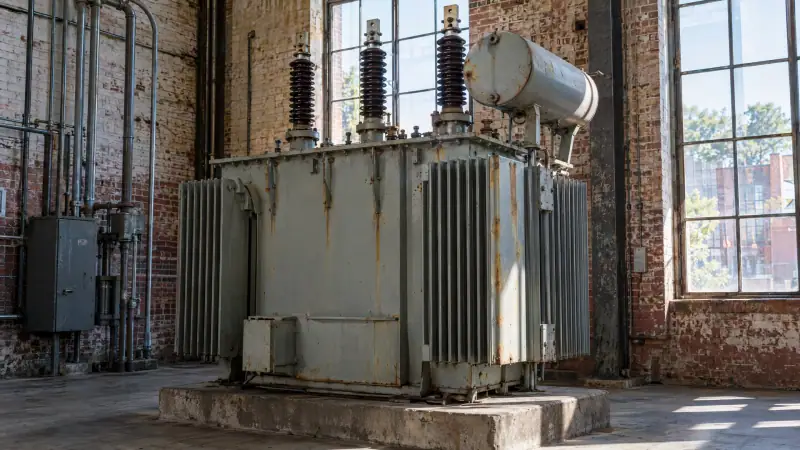
PCB transformer classifications: what the numbers mean
PCBs, or polychlorinated biphenyls, were used in some electrical insulating fluids because of their insulating properties and resistance to fire. The 1979 manufacturing ban did not remove every existing transformer from service. Older equipment and fluid-handling history still matter when we review a unit for purchase.
EPA rules in 40 CFR Part 761 use these concentration categories for transformer fluid:
| PCB concentration | General classification |
|---|---|
| Less than 50 ppm | Non-PCB |
| 50 to less than 500 ppm | PCB-contaminated |
| 500 ppm or greater | PCB transformer |
These categories help us understand the records you send; they are not a complete determination of every handling or disposal requirement. For example, a fluid change alone does not establish that an older unit has been properly reclassified.
We review oil-filled transformers containing mineral oil, natural ester, or silicone fluid. Tell us the fluid listed on the nameplate and provide records of any replacement or retrofill. The fluid’s current trade name is not a substitute for its PCB history.
Reading PCB markings and a non-PCB label
Photograph every PCB warning, non-PCB label, fluid identification sticker, and service tag on the tank. Include one wider photo showing where each marking sits, followed by a close-up with readable text. A loose label photographed separately is harder to connect to a particular transformer.
A non-PCB label is useful supporting information, but we also want the records behind it. Send the laboratory report, manufacturer documentation, or dated service paperwork that identifies the unit and supports the marking. Check that the serial number on those records matches the transformer you are offering.
The absence of a PCB warning is not proof of a non-PCB concentration. Likewise, a faded sticker or an unreadable service tag leaves a gap we need to address during review. We do not ask sellers to remove labels or replace them before pickup.
Use our guide to reading a transformer nameplate to find the serial number, manufacture date, kVA, and voltage ratings. Those details connect the electrical equipment, its markings, and its test records.
PCB transformer oil testing: samples and reports
PCB transformer oil testing measures PCB concentration in a fluid sample. It is different from routine dielectric-strength or moisture testing, so a general oil-condition report may not answer the PCB question. Look for a result stated in ppm or an equivalent concentration unit, along with the laboratory’s reporting limit.
If testing is needed, have a qualified service provider arrange safe sampling and laboratory analysis. Do not open an energized transformer, break a seal, or drain oil yourself to obtain a sales sample. Sampling must account for electrical isolation, fluid containment, and the condition of the tank and sampling valve.
For our review, send the complete report rather than a cropped image of the result. Useful details include:
- The transformer serial number or other clear equipment identifier.
- The sample date and sampling location.
- The PCB result, units, and reporting limit.
- Notes about recent oil replacement or other fluid work.
If the report says “not detected,” include the detection or reporting limit. Our transformer photo checklist helps you document the unit alongside its laboratory paperwork.
How we review transformers with unknown PCB status
If you have no PCB report, tell us that directly. We can begin reviewing the nameplate, photographs, age, fluid information, and condition, then identify what additional information is needed before an offer or pickup can proceed. We do not treat an unknown-status unit as non-PCB simply because it has been disconnected or placed in a scrap area.
For an older padmount or substation transformer, send any available maintenance records and fluid-change history. Also tell us about leaks, fire damage, missing parts, or previous draining. An empty tank can still contain residual fluid, so “drained” is not a PCB test result.
We buy new surplus, used, removed-from-service, damaged, and scrap transformers, but PCB status must be part of the review. Sending information for review is not confirmation that we can accept every unit or arrange every disposal route.
Submit your records through our offer request form, or call or text 951-403-5738. Identify unknown information clearly rather than guessing, and tell us whether you have one transformer or a group requiring separate identification.
PCB transformer disposal in New York: plan before moving
If your search is for PCB transformer disposal in New York, establish the fluid classification before treating the unit as ordinary scrap. A purchase inquiry and a disposal arrangement are different things. We need the equipment records and condition details to determine whether a proposed transaction can proceed.
EPA regulates PCB handling and disposal under 40 CFR Part 761. The New York State Department of Environmental Conservation oversees hazardous-waste requirements, and state requirements may also apply to the equipment, fluid, storage, and shipment. This guide is educational, not legal advice; confirm current requirements with the appropriate agencies and qualified service providers before arranging work.
Do not drain fluid into unmarked containers, mix it with other waste oil, or remove PCB markings to prepare a transformer for sale. Tell us about leaks or damaged tanks before any pickup planning. We coordinate statewide pickup rather than operating a public New York drop-off yard.
Keep ownership documentation with the environmental records. A utility-owned transformer belongs to the utility and cannot be sold by a property owner; our ownership and paperwork guide explains what to gather.
From documented PCB status to an offer and pickup
Once the necessary records are available, we review the transformer’s type, kVA, voltages, age, condition, fluid, and PCB status. Electrical test data can help us assess reuse potential, but it does not replace PCB documentation. A serviceable unit and a failed unit may require different commercial and handling decisions.
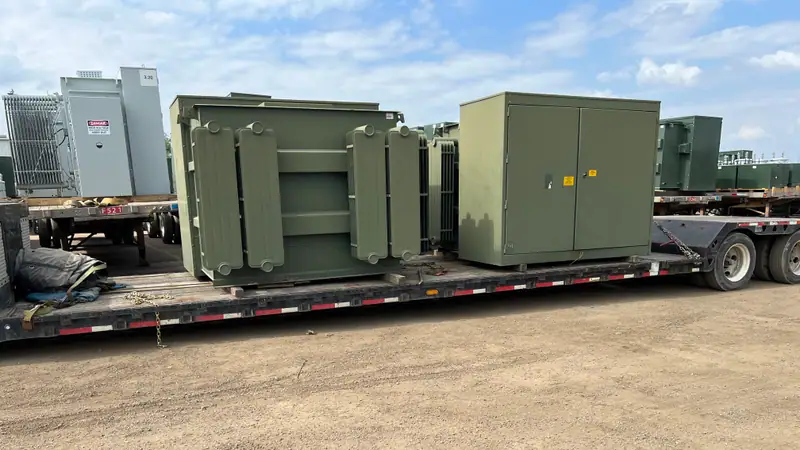
Our written offer sets out the proposed transaction. We then schedule pickup and coordinate the rigging, forklift or crane, and suitable flatbed, step-deck, or lowboy trucking. If you prefer to load, tell us what equipment you have and describe access, clearances, and the transformer’s location.
At pickup, we perform a quick inspection to confirm that the unit matches the photographs and details provided. Payment is by check, ACH, or wire under the agreed terms. Keep the transformer identifiable throughout the process, especially when several similar units are stored together.
Our buying process explains the sequence, and our New York service area covers statewide pickup coordination. For units being evaluated as scrap, read scrap value versus resale before assuming that a tank’s metal content determines the transaction.
Questions sellers ask about PCB Testing & Labels
How do I know if my transformer contains PCBs?
Start with the transformer’s labels, manufacturer records, maintenance history, and any PCB laboratory report. A missing warning label does not establish non-PCB status. We review those records with the nameplate and photos. If documentation is incomplete, a qualified service provider may need to arrange fluid sampling and PCB analysis.
Does a non-PCB label mean the oil has zero PCBs?
No. The general non-PCB concentration category is less than 50 ppm, not necessarily zero. Send the documentation supporting the label, including the equipment identifier and test result. If a report states “not detected,” we also need its reporting limit to understand what the laboratory result establishes.
Can I sell a transformer without a PCB test report?
You can send us the unit’s details for an initial review without a report. Tell us its PCB status is unknown and include labels, age, fluid information, and service records. We will identify what additional information is needed; an initial review is not confirmation of acceptance or pickup.
Who handles PCB transformer disposal in New York?
PCB disposal must follow applicable EPA requirements, with New York DEC requirements also considered. Appropriate service providers depend on the fluid classification, equipment condition, and proposed work. We review transformers for purchase, but an offer inquiry is not a disposal authorization. Confirm current handling, shipment, and disposal requirements before moving the unit.