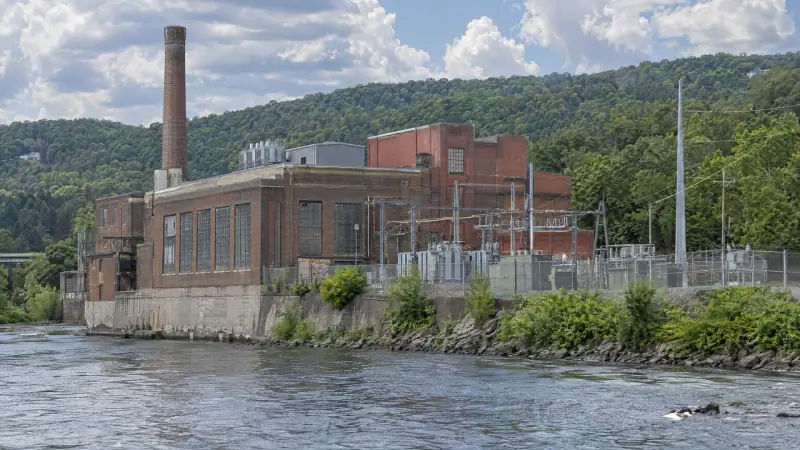
Sell transformers under government and public agency rules
Public transformer sales start with ownership and disposal authority. Before requesting an offer, identify the agency that owns the equipment and the department responsible for releasing it. A transformer serving a public building may belong to the electric utility rather than the municipality or school district. Utility-owned equipment belongs to the utility and is not available for the property owner to sell.
Tell us how your agency handles surplus property: a written quote review, public bid, auction or another approved method. We can provide a written offer for your file, but that offer does not replace required approvals, public notices or competitive-sale procedures. Confirm current requirements with your purchasing or legal staff.
Our transformer ownership and paperwork guide explains the basic ownership information to gather. For agency-owned electric distribution equipment, our page for utilities and municipal electric departments addresses that seller group. Keep the equipment inventory, ownership record and proposed sale terms together so the people reviewing the disposal are working from the same information.
What we buy
New surplus, used, decommissioned and failed units, from about 15 kVA to 20 MVA and up. One transformer or a whole yard.
Surplus transformers from schools and public facilities
We review padmount transformers removed during building upgrades, dry-type units from electrical rooms, and larger substation transformers retired from public facilities. Unused replacement units and transformers left over from canceled projects are also worth submitting. We buy one unit or an entire yard of agency-owned transformer inventory.
The useful starting point is the actual equipment list, not just the project description. Separate unused units from equipment that operated in service, and identify any units with known failures or missing parts. Our surplus transformer buying page covers surplus equipment, while our information on selling new surplus transformers is useful for units still in crates or stored as unused spares.
We generally review electrical transformers from roughly 15 kVA through 20+ MVA. Use each unit’s nameplate for its rating rather than estimating from cabinet dimensions. For several similar transformers, assign inventory numbers and match each number to its photos; units that look alike may have different voltages, fluid types or condition.
Equipment details that support a written offer
Send enough information for us to identify each transformer and understand its condition. Clear nameplate photos usually provide the most useful starting point. Include overall photos showing the enclosure, bushings or terminals, accessible accessories and any visible damage.
For an agency inventory, include:
- Asset or inventory number, quantity and pickup location.
- Manufacturer, serial number, kVA or MVA rating, phase and primary/secondary voltages.
- Approximate age, service history and whether the unit is unused, operating, disconnected or failed.
- Fluid type and documented PCB status for liquid-filled equipment.
- Available test reports and notes about leaks, missing components or storage damage.
Mark information that is unknown instead of filling gaps with guesses. If a nameplate is unreadable, send the clearest available photos and any matching equipment records. We review type, capacity, voltages, age, condition, fluid and PCB information, plus test data when available. You can submit the inventory through our online transformer offer form, or call or text 951-403-5738 to discuss the equipment.
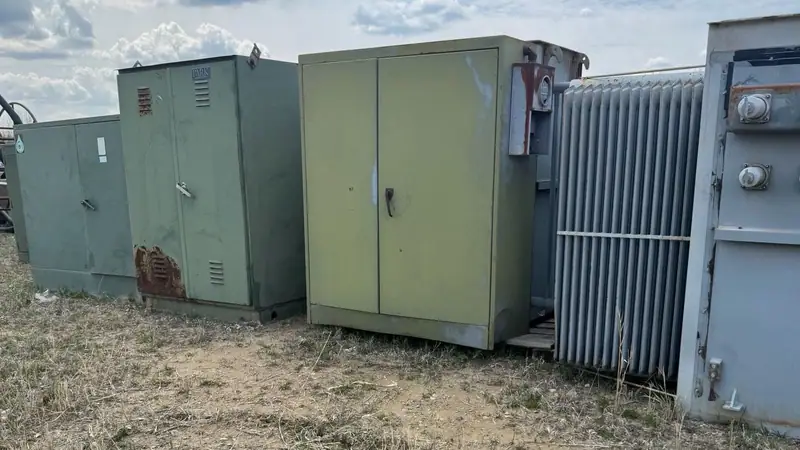
Written offers for bid files and disposal review
Our written offer gives your agency a record of what we are proposing to purchase and the terms to review. Tell us which asset numbers must appear in the file, how the equipment is grouped, and whether the agency plans to sell individual units or a single lot. Also provide any required submission format or purchasing contact instructions before we prepare the offer.
Make the proposed scope clear. For example, distinguish a disconnected transformer available for loading from one still installed behind a fence or inside an electrical room. Identify agency-imposed removal deadlines, access restrictions and seller-loading requirements so those conditions can be addressed before an award.
Your agency decides whether and how to accept an offer under its applicable procedures. We do not treat a preliminary equipment review as authorization to remove public property. Our transformer purchase process explains the steps from review through payment. Keeping the offer, asset list and pickup conditions together helps your purchasing staff evaluate the proposal against the intended sale.
Preparing retired transformers for authorized removal
Tell us whether the transformer is still connected, has been disconnected, or has already been moved to storage. Operating or connected equipment needs to be taken out of service by the responsible qualified personnel before removal. We coordinate pickup; do not describe an installed unit as ready to load until its electrical isolation and physical access have been addressed.
For oil-filled units, send fluid records, PCB labels and available laboratory reports. PCB status affects handling and disposal requirements. Confirm current environmental requirements with your agency’s environmental staff or qualified adviser; we do not provide legal advice.
Keep known defects in the inventory even if the unit is being sold as scrap. Leaks, fire damage, broken bushings and missing components matter to both our review and pickup planning. Our decommissioned transformer buying page covers retired units, and the transformer decommissioning checklist can help organize preparation. Photos of the present condition are more useful than older images from before removal.
Statewide pickup coordinated around agency access
We coordinate pickup anywhere in New York State, including public works yards, school properties, treatment facilities and agency storage sites. We have no public storefront or drop-off yard in New York; we come to the seller. Our New York service area covers statewide pickup coordination.
Before scheduling, tell us about gate clearance, loading surfaces, overhead obstructions, restricted hours and any check-in requirements. Send photos of the loading area and the route from the transformer to the truck. If your agency prefers to load the equipment, identify the available lifting equipment and the person coordinating that work.
We arrange the applicable rigging, forklift or crane coordination and flatbed, step-deck or lowboy trucking. Use documented equipment weights where available rather than guessing from size. At pickup, we make a quick inspection to confirm the units match the submitted photos. Payment is by check, ACH or wire under the agreed terms. Keep the authorized agency contact involved so inspection, release and loading follow the approved sale arrangements.
Questions sellers ask about Government & Public Agencies
Who buys surplus transformers from government agencies in New York?
We buy agency-owned surplus electrical transformers throughout New York State, including units from municipalities, school districts and public authorities. We review unused, used, decommissioned, damaged and scrap equipment. Send nameplate photos, an inventory list and your agency’s disposal requirements so we can evaluate the units and provide a written offer.
Can you provide a written transformer offer for a public bid file?
Yes. We can provide a written offer for your agency’s bid file or surplus-property review. Send the equipment details, asset numbers, proposed lot grouping and any required submission instructions. Your agency remains responsible for its approval and competitive-sale procedures; our offer is not a substitute for those requirements.
Can a school district sell a transformer on school property?
A school district can submit a transformer it owns and is authorized to dispose of under its applicable procedures. First confirm ownership: a transformer serving the school may belong to the electric utility. Send the district-owned unit’s nameplate, condition details and location, and identify the department handling the surplus sale.
Do surplus transformer buyers purchase failed or scrap agency units?
We review failed, damaged and scrap transformers as well as serviceable surplus units. Describe the failure, missing parts, leaks or other known defects, and provide current photos. For liquid-filled equipment, include fluid and PCB records when available. We use those details to evaluate the equipment and plan appropriate pickup arrangements.
Do government agencies need to deliver transformers to your yard?
No. We have no public drop-off yard in New York and coordinate pickup at the seller’s location statewide. Tell us about site access, loading conditions and agency release requirements. We can coordinate lifting and trucking, or your agency can load the equipment if that is its preferred arrangement.