
Sell Transformers from EV Charging & Fleet Depots
Fleet electrification plans can change after transformers have been ordered or installed. A revised charger layout, a different service voltage, a reduced charging load or a change in the utility’s make-ready design can leave a padmount or dry-type transformer outside the final scope. We review equipment left over from those changes, including a single spare or several units purchased for a phased rollout.
We buy three-phase padmounts serving outdoor charging infrastructure and dry-types used for voltage conversion or building distribution. New units still in their crates, installed units removed during redesigns, and failed equipment can all be submitted for review. Tell us which units are unused, which have been energized and which have known damage.
As surplus transformer buyers, we evaluate the actual equipment rather than the original charging plan. For new surplus transformers, include purchase records if available, storage history and photos of the packaging. Keep sealed crates closed unless there is a safe, practical reason to open them.
What we buy
New surplus, used, decommissioned and failed units, from about 15 kVA to 20 MVA and up. One transformer or a whole yard.
Confirm Ownership Before Offering Make-Ready Equipment
A transformer sitting inside a fleet depot’s fence may still belong to the utility. Make-ready projects can include both utility-owned service equipment and customer-owned distribution equipment, so the location alone is not enough to establish who can sell it. Utility-owned transformers belong to the utility and are not for sale by the property owner, fleet operator or charging contractor.
Before requesting an offer, check purchase documents, project records and the applicable utility agreement. If a contractor bought the transformer for a customer, confirm who owns it now and who has authority to approve the sale. For leased sites, resolve ownership with the property owner and any other party with an interest in the equipment.
Our transformer ownership and paperwork guide covers useful records to gather. Tell us about any ownership question early. We can review the transformer details while you collect documents, but the sale and release of equipment need authorization from the owner.
Nameplate Ratings Matter More Than Charger Counts
Send a clear photo of the complete nameplate on each transformer. The number of chargers at a depot does not tell us the transformer’s rating: charger output, charging schedules and the project’s electrical design all affect the load. We review the listed kVA, primary and secondary voltages, phase, frequency, manufacturer and serial number.
For padmounts, photograph the outside of the cabinet, accessible labels and any visible damage. For dry-types, include the enclosure and nameplate, plus accessible photos showing condition. Do not open energized compartments or remove protective covers to obtain sales photos.
Useful details include:
- Whether the transformer is new, previously energized or removed from service.
- Approximate age, installation date and reason it became surplus.
- Fluid type and available PCB information for liquid-filled units.
- Test reports, known faults, missing parts and storage conditions.
A 480-volt secondary may suit some charging layouts, but we rely on the nameplate rather than a project description. Our transformer size information helps you identify the rating to send; approximate physical dimensions do not replace the kVA rating.
Written Offers for Spares, Removed Units and Failed Equipment
We review unused project spares separately from transformers that have been energized, removed or damaged. An unused padmount with complete documentation gives us different information than a dry-type removed after a fault. Be direct about the condition so our offer reflects the unit available for pickup.
For equipment removed from service, explain why it was disconnected and provide test data if available. If a transformer failed, describe the symptoms and any inspection findings. Tell us about leaks, damaged bushings, missing doors, stripped connections or other missing components. We also buy scrap units, so damaged equipment is worth submitting for review.
Call or text 951-403-5738, or use our online offer form with photos and basic details. For multiple units, label each set of photos with a matching inventory number. We review type, ratings, age, condition, fluid and PCB status before providing a written offer. No price can be determined from charger capacity or transformer weight alone.
Plan Pickup Around Depot Traffic and Safe Removal
Fleet yards often have active bus lanes, delivery traffic and charging stalls close to the transformer location. Send wide-angle site photos showing the unit, the approach route and the proposed loading area. Include access restrictions, overhead obstructions, gate clearance and any limits on truck movements or loading hours.
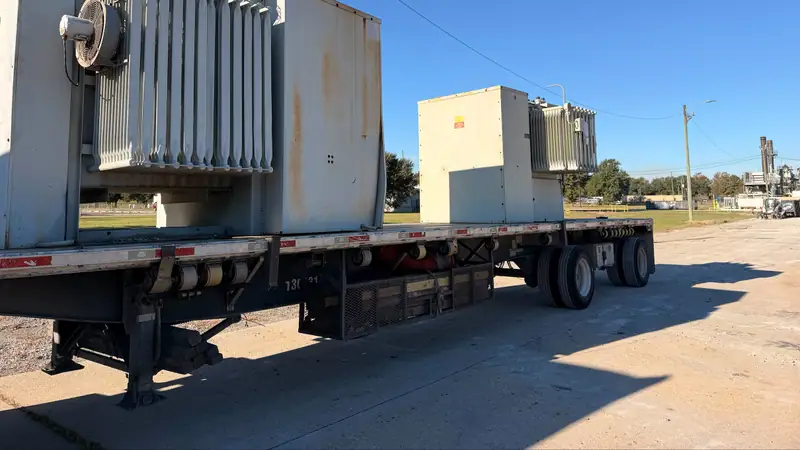
We schedule pickup and coordinate the appropriate rigging, forklift or crane, along with flatbed, step-deck or lowboy trucking. If you prefer to load the equipment, tell us what equipment is available and its capacity. Use the transformer’s documented weight and handling instructions to plan the lift; appearance is not a reliable weight estimate.
Installed equipment must be safely disconnected and released for removal by the responsible parties before loading. Our decommissioning checklist can help you organize that work. For oil-filled units, share available fluid and PCB records; confirm current handling and disposal requirements with qualified professionals. Keep pickup preparation separate from any work needed to maintain service to operating chargers.
Statewide Pickup Without a Drop-Off Yard
We coordinate pickup at the seller’s location throughout New York State, including fleet depots, contractor storage areas and charging construction sites. We do not have a public storefront or drop-off yard in New York. Do not arrange to deliver a transformer to us before pickup or shipping details have been agreed.
Tell us whether the transformer is still beside the charging equipment, stored in a warehouse or already staged for loading. If a project has several surplus units in different locations, identify each location and its access conditions. That helps us plan the pickup scope and select suitable transport.
At pickup, we make a quick inspection to confirm that the equipment matches the photos and description. Payment is by check, ACH or wire under the agreed terms. Our selling process explains the sequence from equipment review through payment. If your depot must keep operating during removal, identify the work window and site contact when we schedule the pickup.
Questions sellers ask about EV Charging & Fleet Depots
Who buys surplus transformers from EV charging projects in New York?
We buy surplus electrical transformers from EV charging projects and fleet depots across New York State. Send nameplate photos, condition details and the pickup location for review. We consider new-in-crate units, used equipment, removed-from-service transformers and damaged or scrap units, provided the seller owns them or has authority to sell.
Can I sell a transformer installed through a utility make-ready program?
You can offer it only if you own it or have authorization from its owner. Make-ready projects may include utility-owned transformers that property owners and fleet operators cannot sell. Check the utility agreement, purchase records and project documents before offering the unit. Its location on your property does not establish ownership.
Do you buy unused padmount transformers ordered for fleet chargers?
Yes. We review unused padmount transformers left over from fleet charging redesigns, canceled phases or changes to service requirements. Send the nameplate, exterior and packaging photos, along with storage history and purchase records if available. Tell us whether the unit has ever been installed or energized, even if it was never used for charging.
Do transformers need to be disconnected before pickup?
Installed transformers need to be safely disconnected and released for removal before loading. We coordinate pickup, rigging and trucking, but electrical isolation must be handled by the responsible qualified parties. Tell us what removal work remains, whether chargers nearby will stay operational and what site access is available for loading.