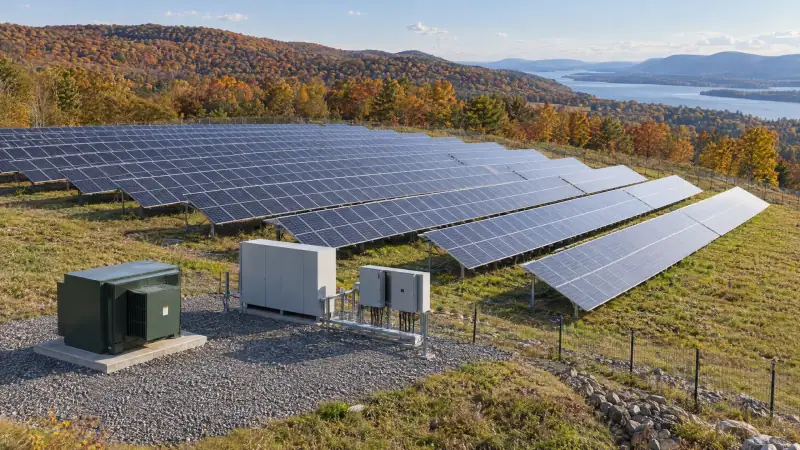
Sell Transformers from Solar & Battery Storage Projects
A community solar or battery energy storage project can change after its transformers have been ordered or delivered. Revised inverter selections, collection-system layouts or interconnection requirements may leave a purchased unit outside the final design. We review those transformers for purchase, including equipment from NY-Sun community solar developments and standalone or paired battery storage projects.
We work with developers, EPCs, electrical contractors and equipment owners who have authority to sell. A transformer can be new in its crate, staged on a foundation, held at a warehouse or stored in a laydown yard. Tell us which situation applies and whether the unit was ever energized.
As surplus transformer buyers, we need the actual equipment details, not just the original project size. Send the transformer schedule or inventory list alongside readable nameplate photos. Identify which units are available now and which remain assigned to active sites. That helps us review the sale inventory separately from equipment you still need.
What we buy
New surplus, used, decommissioned and failed units, from about 15 kVA to 20 MVA and up. One transformer or a whole yard.
Step-Up and Multi-Winding Details That Matter
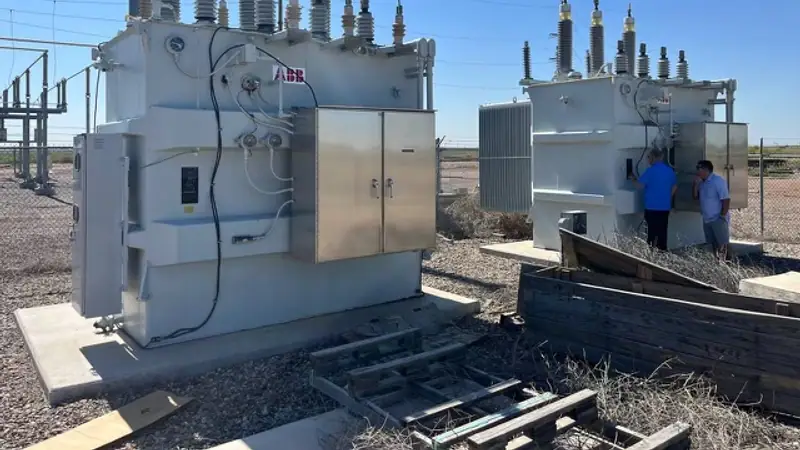
We buy solar and BESS step-up transformers, including padmount and substation configurations. Our buying range is roughly 15 kVA through 20+ MVA, but the individual unit’s nameplate ratings govern our review. For larger project transformers, send the rated kVA or MVA, all winding voltages and any cooling ratings shown on the plate.
Multi-winding equipment needs more detail than a single high-side and low-side voltage. Separate low-voltage windings may serve multiple inverter connections, and each winding can have its own rating and connection arrangement. A readable winding diagram helps us understand what you have.
For these units, include:
- Ratings and voltages for every winding.
- Winding connections, phase relationship or vector group if listed.
- Impedance, tap range and tap-changer details.
- Fluid type, total nameplate weight and accessories included.
- Factory test reports or later test data, if available.
You can compare the general equipment range on our transformer sizes page. For your offer, use the nameplate and drawings rather than estimating transformer capacity from the solar array or battery system rating.
New Surplus, Stored Equipment and Removed Units
We review new surplus transformers that never entered service, as well as used units removed during project changes or equipment replacement. Original packaging, purchase records and factory test reports are useful when available. Tell us if the transformer was delivered but never connected, connected but never energized, or operated before removal.
Storage condition matters at a laydown yard. Send current photos of the enclosure or tank, bushings, cable compartments, radiators and any visible damage. Note missing accessories, opened packaging, fluid leaks or exposure to flooding. Include the storage duration if known and any maintenance or inspection records kept while the unit sat idle.
For decommissioned transformers, describe why the unit came out of service and whether it has a known electrical or mechanical failure. We also review damaged, failed and scrap units. Identify removed cables, bushings, radiators or other components so the written offer reflects what will actually be present at pickup.
Confirm Ownership and Keep Project Records Together
Before offering a project transformer, confirm who owns it and who can authorize the sale. The developer, EPC, financing party or equipment supplier may hold relevant purchase and release documents. Tell us if approval is still pending, and keep the equipment list tied to serial numbers so the authorized inventory is clear.
A transformer at the interconnection point may belong to the utility. Property owners cannot sell utility-owned transformers. Our ownership and paperwork guide explains the records sellers should gather before moving forward.
Include available fluid identification and PCB-status documentation with the equipment records. For a removed unit, also send any test data and notes about draining or component removal. Do not drain or dismantle equipment just to prepare an offer request; first describe its current condition. Have qualified personnel handle isolation, testing and removal, and confirm current environmental and site requirements before work begins. We use the records to review the equipment, not to replace your project’s engineering or compliance review.
Laydown-Yard Pickup Across New York State
We coordinate pickup at project sites, warehouses and laydown yards throughout our New York service area. We have no public storefront or drop-off yard in New York; we come to the seller. Give us the equipment location and the site contact responsible for access and loading arrangements.
For a large step-up transformer, send the nameplate weight and available dimensional drawings. Identify whether it is crated, on a skid, on a trailer or sitting directly on a pad. Photos of lifting points and the surrounding area help us plan the handling equipment.
Useful pickup details include:
- Gate access, delivery-hour restrictions and truck approach.
- Ground conditions and space for a crane or forklift.
- Nearby switchgear, cables or structures that limit access.
- Available loading equipment and who will operate it.
- Loose accessories or crates that must travel with the unit.
We coordinate rigging, forklift or crane needs and flatbed, step-deck or lowboy trucking. You can also load the equipment if you prefer; we agree on those responsibilities before scheduling pickup.
From Project Inventory to a Written Offer
Start with readable nameplate photos, current equipment photos and a short description of why the transformers are available. For multiple units, a spreadsheet with serial numbers, ratings, condition and storage locations keeps the review organized. Mark duplicate models clearly rather than assuming every transformer in the yard has the same winding configuration.
Call or text 951-403-5738, or use our online offer form to send the details. We review transformer type, capacity, voltages, age, condition, fluid and PCB status, plus test data when available. We then provide a written offer for the equipment we agree to buy.
Our buying process includes scheduling pickup, agreeing on loading arrangements and a quick inspection at pickup to confirm the units match the photos and description. Payment is by check, ACH or wire under the agreed terms. Tell us about project deadlines or yard-clearance dates when you submit the inventory so we can discuss scheduling before you commit to moving the equipment.
Questions sellers ask about Solar & Battery Storage
Who buys surplus transformers from solar projects in New York?
We buy surplus electrical transformers from New York solar developers, EPCs, contractors and equipment owners. That includes step-up units left over after redesigns, interconnection changes or canceled sites. Send nameplate photos, condition details and the storage location, and identify who owns the equipment and can authorize its sale.
Can I sell a multi-winding transformer from a battery storage project?
Yes, we review multi-winding transformers from battery storage projects. Send the complete nameplate, winding diagram and ratings for each winding rather than only the overall capacity. Include winding voltages, connections, impedance, fluid type and available test reports so we can evaluate the unit’s actual configuration.
Do you buy new transformers stored in a laydown yard?
Yes, we buy new surplus transformers stored at laydown yards across New York State. Tell us how long they have been stored, whether they remain packaged and whether they were ever energized. Send current photos showing the equipment’s condition, included accessories and access for loading.
Can you pick up large solar step-up transformers?
We coordinate pickup for large step-up transformers, including rigging and suitable trucking. Send the nameplate weight, dimensions if available, site-access details and photos of the loading area. We discuss crane or forklift needs and loading responsibilities before scheduling. Sellers may load the equipment themselves if they prefer.
Can a property owner sell the utility transformer at a solar site?
No. A utility-owned transformer belongs to the utility and is not for sale by the property owner. Confirm ownership before submitting equipment for purchase. For a privately owned project transformer, gather purchase records, serial numbers and any required sale authorization so we can review the correct inventory.