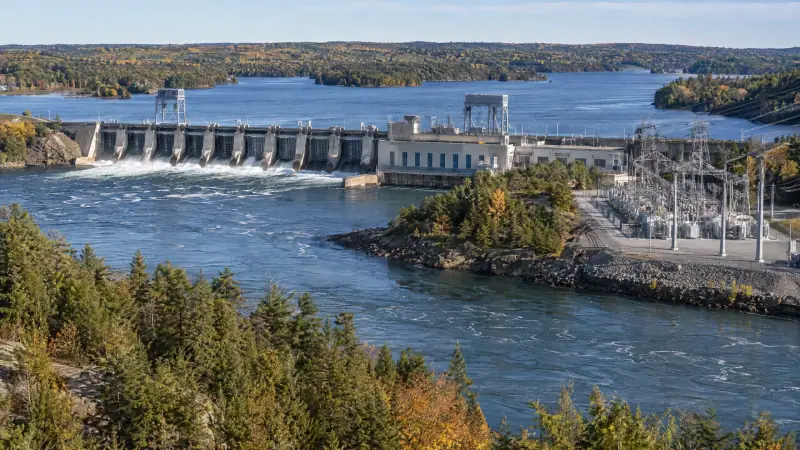
Sell Transformers From Crypto-Mining Sites in New York
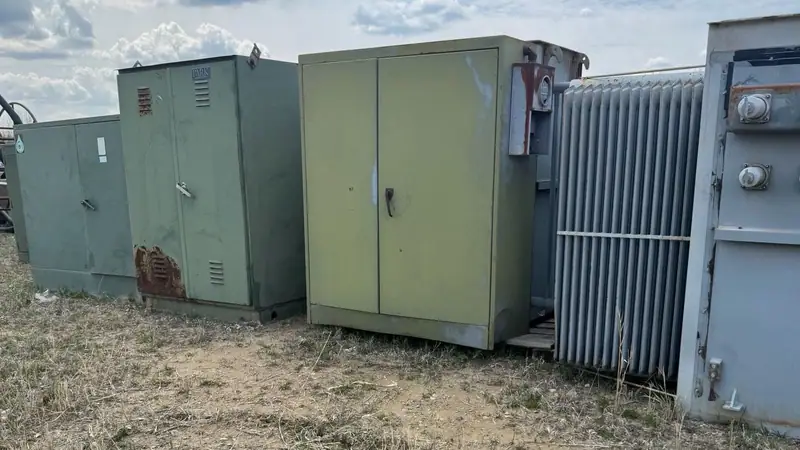
A mining facility may have several padmount transformers feeding separate buildings, container rows or distribution sections. When you shut down a row, reduce capacity or clear a former mining property, send us the transformers available for sale. We can review one unit, a group of matching units or the entire transformer yard.
We buy three-phase padmounts, larger substation transformers and dry-type units used for indoor distribution. Installed equipment, units already removed from service and unused transformers purchased for an expansion are all worth submitting. As surplus transformer buyers, we review the equipment itself rather than treating everything at a closed mining site as scrap.
For a large group, start with a unit count and a simple inventory showing each transformer’s rating and condition. Keep mixed ratings separate so we can identify the units correctly. Our transformer size information explains the distinction between kVA and MVA ratings; use each unit’s nameplate as the source for your inventory.
What we buy
New surplus, used, decommissioned and failed units, from about 15 kVA to 20 MVA and up. One transformer or a whole yard.
Mining-Site Changes, Permit History and Ownership
Former mining sites may hold equipment from several expansion phases, with different ownership arrangements across the property. A transformer beside a mining building may belong to the operator, the property owner, a financing company or the serving utility. Establish who owns each unit before including it in a sale.
Utility-owned transformers belong to the utility and are not yours to sell. If a lease, equipment financing agreement or property transfer affects ownership, gather the relevant documents before pickup planning. Our transformer ownership and paperwork guide can help you organize those questions. We need a seller with authority to sell the equipment.
New York’s 2022 law established a two-year moratorium on certain air permits for fossil-fuel power plants supplying electricity to proof-of-work cryptocurrency mining. It was not a blanket ban on cryptocurrency mining or transformer sales. Confirm current permitting requirements with the appropriate agency; our buying process focuses on the equipment you own and want to sell, not a legal determination about your site.
Build an Inventory We Can Use for a Written Offer
Call or text 951-403-5738, or use our online transformer offer form. For a yard with repeated units, label each transformer with an inventory number and use that same number on its photos. This keeps a damaged unit from being confused with an otherwise similar transformer.
Send the following information where available:
- Clear nameplate photos showing manufacturer, serial number, kVA or MVA, primary voltage and secondary voltage.
- Overall photos showing the enclosure, cooling surfaces, bushings and accessible compartments.
- Quantity, approximate age, operating condition and date removed from service.
- Fluid type, PCB information and any available electrical or oil test reports.
- Pickup location, access details and whether the units remain connected or have been removed.
For unused expansion equipment, tell us whether it remains crated and include storage-condition photos. We also review new surplus transformers that never entered service. If some information is missing, send what you have and identify the gaps rather than guessing at ratings or fluid status.
Separate Reusable Units From Failed or Damaged Equipment
A site shutdown does not tell us a transformer’s condition. Identify which units were operating when disconnected, which were held as spares and which failed in service. If you have maintenance records or test data, match them to the correct serial numbers so we can use them during the review.
We buy removed-from-service, decommissioned, damaged and scrap transformers as well as usable equipment. For failed units, describe the known problem: leaking tank, damaged bushings, overheating, fault event or another documented issue. Photos of visible damage help us evaluate the unit and plan its handling. Do not energize equipment just to demonstrate its condition for a sale.
Our decommissioned transformer buying information covers equipment no longer needed in operation. Before removal, use our transformer decommissioning checklist to organize the work. Have qualified electrical personnel handle isolation and disconnection, and confirm applicable fluid-handling and PCB requirements before moving or draining an oil-filled unit. Tell us about leaks before pickup is scheduled.
Plan Pickup Around Rows, Pads and Site Access
Multiple padmounts require more planning than a single transformer sitting beside an open loading area. Send wide photos showing the transformer rows, access roads, gates, overhead obstructions and nearby switchgear or cables. Tell us if equipment sits behind fencing, between containers or on pads that trucks cannot approach directly.
We coordinate rigging, forklift or crane handling and flatbed, step-deck or lowboy trucking as appropriate for the equipment and access. If you prefer to load the transformers, we can plan around that arrangement. Use nameplate or manufacturer weight information where available; do not select lifting equipment from the kVA rating alone.
We coordinate pickup throughout our New York service area, including North Country and Western New York mining properties. We have no public storefront or drop-off yard in New York; we come to the seller. For a phased shutdown, identify which units will be ready first and which must remain in service, so pickup planning follows the actual release schedule.
Confirm the Offer, Pickup Scope and Payment Terms
After reviewing the inventory, photos and available records, we provide a written offer. Our review considers transformer type, rating, voltages, age, condition, fluid and PCB status, plus test data when available. Tell us if your inventory changes after submission, especially if units are moved, damaged, drained or returned to service.
Before scheduling, we confirm which transformers are included, where they are located and who will handle loading. For a large yard, keep the agreed inventory numbers visible and accessible. Separate transformers staying on the property from those being sold, and make sure the pickup contact knows the agreed scope.
At pickup, we perform a quick inspection to confirm that the equipment matches the photos and details provided. Payment is by check, ACH or wire under the agreed terms. Our transformer buying process explains the sequence from initial review through collection. Send us an updated inventory if you want to add remaining units from a later phase of the shutdown.
Questions sellers ask about Crypto-Mining Sites
Who buys transformers from closed crypto-mining sites in Upstate New York?
We buy electrical transformers from former and downsizing crypto-mining sites throughout New York, including the North Country and Western New York. We review padmount, substation and dry-type equipment in usable, surplus, decommissioned or damaged condition. Send nameplate photos, quantities and the site location so we can prepare a written offer.
Can I sell an entire yard of mining-site padmount transformers?
Yes. We buy one transformer or an entire yard. For multiple units, send an inventory with a separate identifier, rating and condition for each transformer. Label the photos to match that inventory. We review the group and coordinate pickup around access, loading arrangements and which units are ready to leave the property.
Can I sell utility transformers at my former mining facility?
You cannot sell transformers owned by the utility. Equipment located on your property is not necessarily your property, so confirm ownership before submitting it for sale. We can review transformers you own and have authority to sell. If ownership is unclear, check the service agreement, purchase records or relevant property and equipment documents.
Do you buy failed or leaking crypto-mining transformers?
Yes, we review failed, damaged and scrap transformers. Tell us what happened, photograph visible damage and disclose leaks, fluid type and known PCB information. Keep available test reports with the matching unit records. Have qualified personnel address electrical isolation and any active leak before handling; we plan pickup using the condition information you provide.