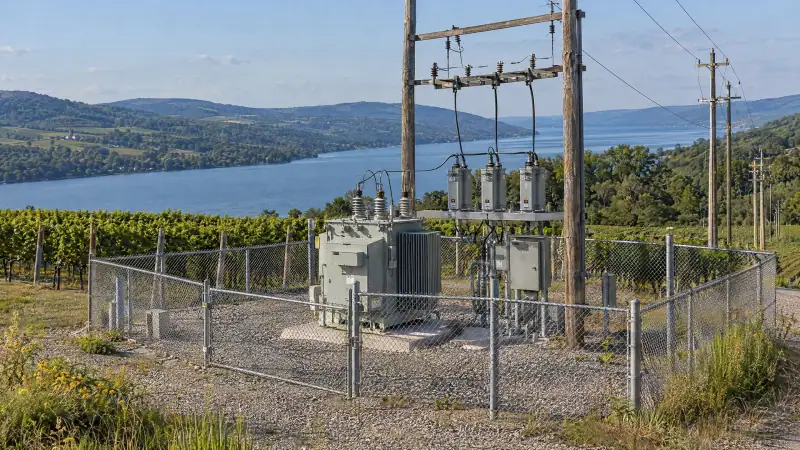
Voltage Regulator Buyers for Feeder and Substation Units
We buy single-phase step voltage regulators removed from distribution feeders, substation installations and spare-equipment inventories. A single spare unit, a three-unit bank or regulators included in a larger transformer yard sale are all worth submitting for review. Tell us why the equipment became surplus: a feeder rebuild, control upgrade, retirement or equipment failure.
These regulators belong to the autotransformer family and adjust feeder voltage through a tap-changing mechanism. Common designs provide approximately 10% voltage boost or reduction in 32 steps, typically 16 above and 16 below neutral. The exact operating range and ratings should come from the unit's nameplate and documentation.
We review new-in-crate equipment, used voltage regulators, removed-from-service units and damaged or scrap equipment. Condition matters, but a regulator does not have to be ready for immediate reinstallation for us to review it. Use our equipment offer form to send photos, quantity, location and a description of what is included.
Send Voltage, Current and Regulator Nameplate Ratings
A regulator's rating needs a closer look than a conventional transformer's kVA alone. Step regulators handle feeder load while their series winding provides the voltage adjustment; the nameplate kVA rating can represent regulating capacity rather than the full load capacity of a two-winding transformer. Send a readable nameplate photo instead of estimating capacity from tank size.
For each unit or matching group, we need:
- Manufacturer, model, serial number and manufacturing date, if shown.
- Rated voltage, load current, frequency and nameplate kVA.
- Regulation range and connection information shown on the plate.
- Fluid type, fluid quantity and PCB information, if available.
- Total quantity, present condition and the equipment's New York location.
Our guide to reading a transformer nameplate explains how to capture identification and rating information clearly. Include close-ups of any separate connection diagram or rating plate attached to the regulator.
For a three-unit bank, photograph each nameplate. Units that look alike may have different ratings, serial numbers or maintenance histories, and we need to know which details belong to which unit.
Include the Control Cabinet and Tap-Changer History
The control package is an important part of a step regulator submission. Photograph the cabinet exterior, control identification and any visible damage. Tell us if the original control is included, a replacement control was installed, or the cabinet is missing. We review the control with the regulator rather than treating the tank alone as the complete package.
Useful details include the control model, any reported alarms, known tap-changing problems and whether the regulator operated normally before removal. If available, send maintenance records, operation-count information and test reports. Identify the date of each report so we can distinguish recent findings from older records.
For equipment identified as Eaton or Cooper Power Systems, our Eaton / Cooper equipment page provides the related brand category. We still need the actual regulator and control model; a brand name alone is not enough to identify the assembly.
Photograph only equipment you are authorized to access. Do not energize a surplus regulator or operate its tap changer just to prepare an offer request. Existing records and clear photos are the right starting point.
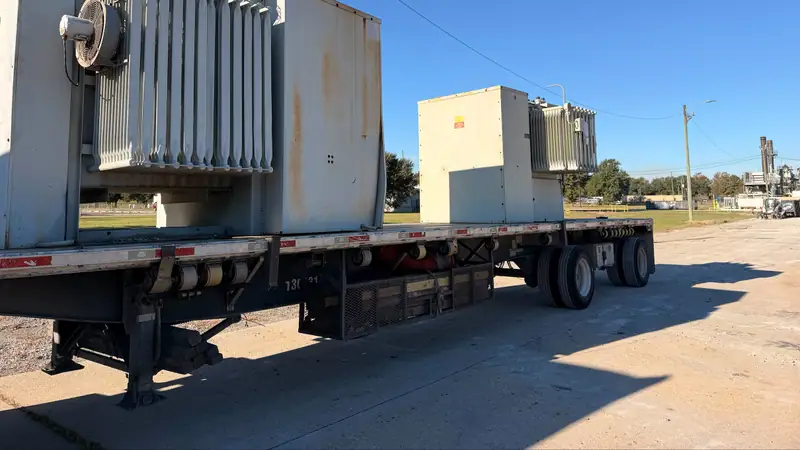
Used, Failed and Oil-Filled Regulator Condition Details
Tell us what happened before the regulator was taken out of service. A working unit removed during an upgrade needs a different review from one with a failed tap changer, damaged bushings or a leaking tank. Describe known problems directly, and include photos of the affected areas rather than only a clean view of the front.
For oil-filled regulators, identify the fluid from the nameplate, service records or available test results. Send PCB labels and laboratory reports if you have them. If the fluid or PCB status is unknown, say so; we need that information when reviewing the equipment and planning handling.
Our PCB testing and label guide explains the general information sellers should gather. Confirm current environmental and transport requirements with the appropriate professionals; the guide is educational, not legal advice.
Keep drained-fluid records with the equipment information, and tell us if the unit has been stored outdoors or left open. Do not drain fluid or dismantle the regulator solely to request an offer. We review damaged and scrap units as well as intact equipment.
Sell Step Voltage Regulators with Your Transformers
You can sell step voltage regulators as part of the same submission as surplus transformers. This is useful when a substation change leaves several pieces of electrical equipment ready for removal. Send one inventory that separates regulators from transformers and identifies each unit by serial number or a clear photo label.
For a substation package, include the ratings and condition of any substation transformers being offered with the regulators. For distribution equipment, identify any pole-mount transformers separately. A regulator and a conventional distribution transformer perform different jobs, so we need individual nameplate information for both.
State which accessories remain with each regulator, including controls, mounting hardware and attached cables. Also identify anything shown in the photos that is not part of the sale. Clear boundaries help us prepare a written offer for the actual equipment available.
Only offer equipment you own or are authorized to sell. Utility-owned regulators and transformers belong to the utility; property owners cannot sell them simply because the equipment sits on their property. Confirm ownership before submitting equipment from a feeder or utility-served site.
Written Offers and Pickup Across New York State
Call or text 951-403-5738 with nameplate photos and basic details. We review the regulator's ratings, age, condition, fluid and PCB status, included controls and available test data, then provide a written offer. Our buying process explains the steps from submission through payment.
For pickup planning, send wide photos showing the regulator, access route and loading area. Note whether it is on a pole, elevated structure, concrete pad or storage skid. Tell us about gates, overhead lines, soft ground and any site restrictions, along with whether your crew will handle removal or loading.
We coordinate pickup throughout our New York service area, including rigging, forklift or crane needs and suitable trucking. Sellers may load the equipment if they prefer. We have no public New York storefront or drop-off yard, so pickup is arranged at the seller's location.
At pickup, we perform a quick inspection to confirm the equipment matches the photos and agreed description. Payment is by check, ACH or wire under the agreed terms. Include an available nameplate weight or documented shipping weight to help plan lifting and transport.
Questions sellers ask about Voltage Regulators
Who buys used voltage regulators in New York?
We buy used single-phase step voltage regulators throughout New York State, including units removed from distribution feeders and substations. We also review new surplus, decommissioned, failed and scrap units. Send nameplate photos, control information, quantity, condition and location so we can evaluate the equipment and provide a written offer.
Can I sell a step voltage regulator without its control?
We can review a regulator with a missing or damaged control. Tell us exactly what is included and photograph the remaining cabinet, identification plates and connections visible from a safe position. A missing control affects our evaluation, so identify it before the offer rather than leaving it to be discovered at pickup.
What photos do voltage regulator buyers need?
Send a readable regulator nameplate, full views of the tank and bushings, control identification, and photos of damage or leaks. Include fluid and PCB labels plus available test records. For multiple units, label the photos by serial number. Wide site photos also help us plan access, lifting and loading.
Do you buy failed or leaking step voltage regulators?
We review failed, damaged and leaking step voltage regulators as well as working units. Describe the failure, the location of any leak, fluid status and available PCB documentation. We use those details to evaluate the equipment and discuss handling requirements. Do not drain or dismantle the unit just to request an offer.
Can you pick up a three-unit voltage regulator bank?
We can coordinate pickup for a three-unit bank or a single regulator anywhere in New York State. Send each unit's nameplate and photos of the installation and access route. Tell us who will handle electrical disconnection and removal, and whether your crew will load or needs coordinated lifting and trucking.