50 kVA Transformer Buyers for Pole-Mount and Padmount Units
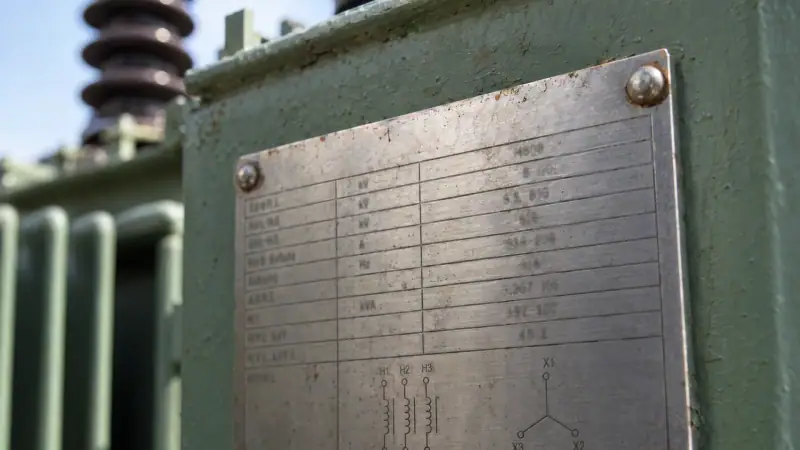
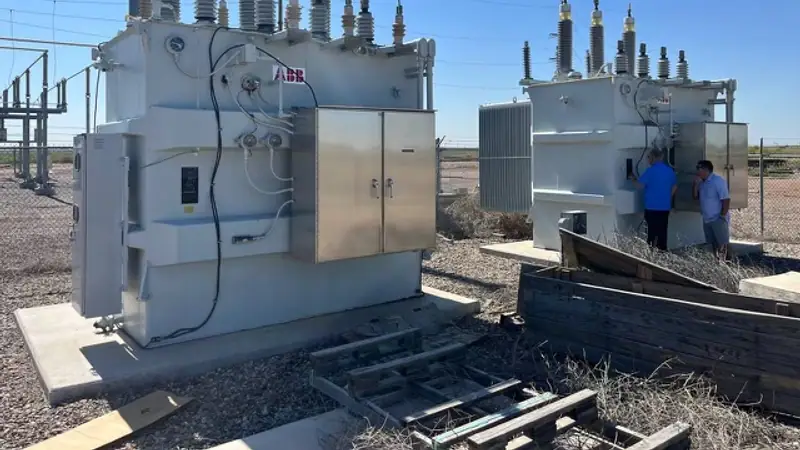
At this rating, the units we review are commonly oil-filled, single-phase pole-mount or padmount transformers. A pole-mount unit usually has a cylindrical tank, mounting brackets and exposed bushings. A padmount unit sits at ground level and has an enclosed connection compartment. Send photos showing the complete unit, not just the rating plate, so we can identify its construction and visible condition.
In New York, these transformers commonly serve residential properties, farms, small commercial buildings and detached facilities with single-phase loads. They become surplus after service changes, redevelopment, equipment replacement or the cancellation of a planned installation. We buy one unit or multiple units from the same location, including equipment already removed from service.
Our padmount transformer buying page explains the ground-mounted equipment we purchase. Before offering a transformer from a property, confirm that you own it or have authority to sell it. Utility-owned transformers belong to the utility, even when they sit on private property.
Full-load amps for a Single-Phase 50 kVA transformer
| Voltage (single-phase) | Full-load current |
|---|---|
| 120 V | 416.7 A |
| 240 V | 208.3 A |
Calculated as kVA × 1,000 ÷ V for a single-phase unit. Check the nameplate for the actual ratings. Use the kVA to amps calculator.
Primary and Secondary Voltages We Need From the Nameplate
The 50 kVA rating tells us capacity, but the voltage configuration determines where a transformer can be reused. Common single-phase distribution primary ratings include approximately 2,400, 7,200 and 7,620 volts. A 120/240-volt secondary is common for residential and light commercial service; other secondary configurations, including 240/480 volts, also exist. Read the actual plate rather than estimating voltage from the building it served.
A marking such as 13,200Y/7,620 describes a system relationship, not two interchangeable winding voltages. Send a clear photo of the entire voltage designation, connection diagram and tap information. We also need the manufacturer, serial number, manufacture date if shown, frequency and fluid designation.
For a used 50 kVA transformer, include photos of primary bushings, secondary connections and any terminal labels. Note missing covers, cracked porcelain, damaged connectors or unreadable markings. If your surplus includes units with other ratings, our transformer sizes page helps you separate the inventory before requesting an offer.
50 kVA Transformer Full Load Amps at 120 and 240 Volts
The full-load amps table on this page uses the single-phase calculation: amps equal kVA multiplied by 1,000, divided by voltage. For a full 50 kVA output at the stated voltage, 120 V = 416.7 A and 240 V = 208.3 A. These are calculated rated-load currents, not measurements of what your building currently draws.
A center-tapped 120/240-volt transformer needs a little more care when reading those figures. At its full 50 kVA rating across 240 volts, the calculated line current is 208.3 A. The 416.7 A figure should not be treated as the available current on either individual 120-volt leg of a conventional 120/240-volt winding. The nameplate and winding arrangement govern how its capacity is distributed.
Use our kVA-to-amps calculator to check a different voltage or rating. For our buying review, send the actual nameplate rather than breaker sizes or a service-panel rating. Existing protection and connected loads do not establish the transformer’s voltage configuration or remaining condition.
Approximate Weight and Oil Volume for Pickup Planning
The weight of a 50 kVA transformer varies with tank construction, winding material, cooling design and enclosure. As broad planning ranges, an oil-filled single-phase pole-mount unit may weigh roughly 500–1,000 pounds and contain approximately 20–50 gallons of fluid. A single-phase padmount unit may weigh roughly 700–1,500 pounds, with approximately 30–70 gallons of fluid. Individual designs can fall outside these ranges; check the nameplate and manufacturer documentation.
Tell us whether a listed weight includes the oil and whether the unit still contains its original fluid quantity. An enclosure, pallet or shipping crate also affects the load being handled. Our transformer weight guide provides additional planning context, but the unit’s documented weight should guide equipment selection.
Photos of lifting provisions, mounting brackets and the base help us plan collection. Include any visible corrosion, leaks or bent lifting hardware. Keep the fluid contained, and do not drain or dismantle the transformer just to prepare it for an offer.
What Drives Resale Value at the 50 kVA Size
At 50 kVA, a complete transformer with a usable voltage configuration and documented condition offers a different resale opportunity from a failed or incomplete unit. We review the primary and secondary voltages, age, manufacturer, physical condition, fluid type and available test records. Clear identification matters because the next application must match the equipment’s electrical ratings.
New-in-crate units should be photographed with their packaging and storage condition visible. For removed equipment, tell us why it was taken out of service and whether it was operating at removal. If it failed, describe the known fault rather than labeling it only as used. We buy damaged and scrap units too; an accurate description lets us review the appropriate recovery route.
Our guide to what a used transformer is worth explains the main evaluation factors. Send fluid and PCB labels, plus existing test reports if available. PCB-related handling and disposal requirements depend on the equipment and fluid status; confirm current requirements with qualified environmental personnel before handling suspected PCB material.
How We Collect a Single-Phase 50 kVA Transformer
To sell a 50 kVA transformer, call or text 951-403-5738, or send nameplate and condition photos through our online offer form. Include the quantity, pickup town, ownership information and whether the unit is disconnected and accessible. We review the details and provide a written offer before arranging collection.
For units of this size, access often determines the loading method. Tell us if the transformer is beside a driveway, behind a fence, inside a building or still mounted overhead. Include gate width, truck access and any available loading equipment. We coordinate suitable rigging, forklift or crane assistance and flatbed, step-deck or lowboy trucking as needed; you may load the unit if you prefer.
Electrical disconnection and overhead removal should be handled by qualified personnel before collection. At pickup, we make a quick inspection to confirm the unit matches the submitted photos, with payment by check, ACH or wire under the agreed terms. Our buying process outlines the steps. We have no public New York storefront or drop-off yard—we come to the seller.
Questions sellers ask about Single-Phase 50 kVA
Who buys used single-phase 50 kVA transformers in New York?
We buy used single-phase 50 kVA transformers throughout New York State, including pole-mount and padmount units. We also review new surplus, removed-from-service, failed and scrap equipment. Send the nameplate, overall photos, condition details and pickup location. We provide a written offer and coordinate pickup at the seller’s location.
How many amps does a single-phase 50 kVA transformer supply?
Calculated full-load current is 416.7 A at 120 volts or 208.3 A at 240 volts when the full 50 kVA rating applies at that voltage. For a conventional center-tapped 120/240-volt unit, do not interpret 416.7 A as the capacity of either individual 120-volt leg. Check the nameplate and winding arrangement.
How much does a 50 kVA transformer weigh?
Broad approximate ranges are 500–1,000 pounds for an oil-filled single-phase pole-mount unit and 700–1,500 pounds for a single-phase padmount unit. Designs vary, and some fall outside these ranges. Check the nameplate or manufacturer documentation, including whether the stated weight includes fluid, before selecting lifting or transport equipment.
Can I sell a failed 50 kVA transformer with oil still inside?
We buy failed and scrap 50 kVA transformers and review oil-filled units with fluid still contained. Send photos of leaks or tank damage, the fluid label, PCB information and any existing test reports. Tell us what failed and how the unit is stored. Do not drain it solely to request an offer.