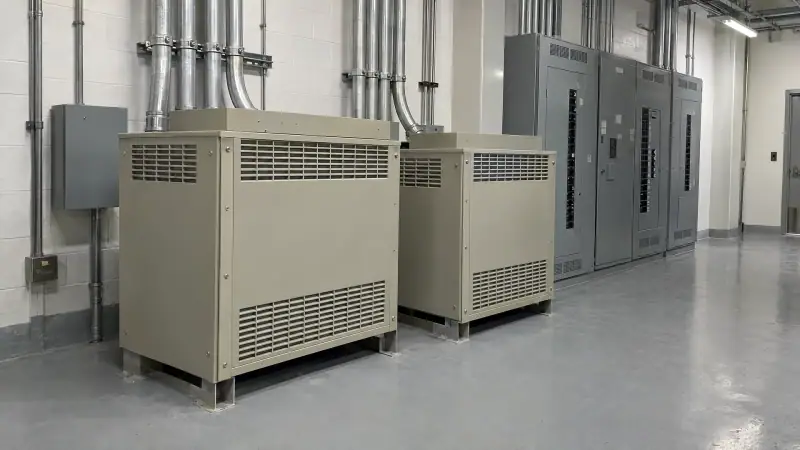
Isolation Transformer Buyers for Specialized Applications
We buy electrical isolation transformers used with industrial drives, electronic loads and equipment that needs a separately derived supply. These include drive isolation units serving variable frequency drives, K-rated transformers from data rooms and hospitals, and shielded units with an electrostatic shield between windings. We consider new-in-crate, used, decommissioned, damaged and scrap equipment.
Specialized ratings can make a serviceable transformer useful to another facility with matching requirements. A buyer replacing a drive supply may need the correct impedance and winding arrangement; a facility serving nonlinear loads may need a documented K rating. Those details help us evaluate reuse potential rather than treating every dry-type unit as the same equipment.
We still review each transformer individually. Condition, complete ratings, enclosure configuration and available test records matter alongside the specialized designation. Our used transformer buying information explains the broader sale process, but the drive, harmonic and shielding details are especially important for these units. Send separate nameplate photos for each transformer in a mixed lot.
Drive Isolation Transformers: What We Need to See
A drive isolation transformer supplies a drive through electrically separate primary and secondary windings. Its impedance helps limit fault current and affects how the drive interacts with the upstream supply. The design must suit the application; an ordinary isolation transformer is not necessarily a substitute for a unit specified for drive service.
When selling a drive isolation transformer, send the following details from its nameplate and documentation:
- Rated kVA, primary voltage, secondary voltage and phase.
- Frequency, winding connection and impedance, if listed.
- Available taps and the manufacturer's drive-service designation.
- Temperature rise, insulation class and enclosure information.
- Any installation drawings, test reports or records of overheating.
Drive horsepower alone is not enough to identify the transformer rating. Drive input current, load duty and the manufacturer's requirements affect selection. If the unit served a medium-voltage drive, include that information so we can review it alongside our medium-voltage dry-type transformers. Photograph the terminal compartment only when the equipment is safely de-energized and accessible.
K-Factor Ratings and Harmonic-Mitigating Designs
A K-factor transformer is designed to handle the additional heating associated with nonlinear load currents, within its specified rating. Loads such as electronic power supplies draw current that contains harmonics. K ratings such as K-4, K-13 and K-20 describe a transformer's ability to accommodate that heating; they do not increase its nameplate kVA capacity.
K-rated and harmonic-mitigating transformers are not interchangeable descriptions. A K-rated unit is built to tolerate specified harmonic loading. A harmonic-mitigating design uses winding arrangements and phase relationships to reduce certain harmonic effects when applied as intended. We need the actual nameplate designation and connection information to identify what you have.
These features can support resale when another facility needs that specific design. For units removed from a data room or hospital electrical room, send the K rating, voltage ratio, connection diagram and any manufacturer documentation. A hospital location alone does not establish a special rating. Our transformer nameplate guide helps identify the fields to photograph.
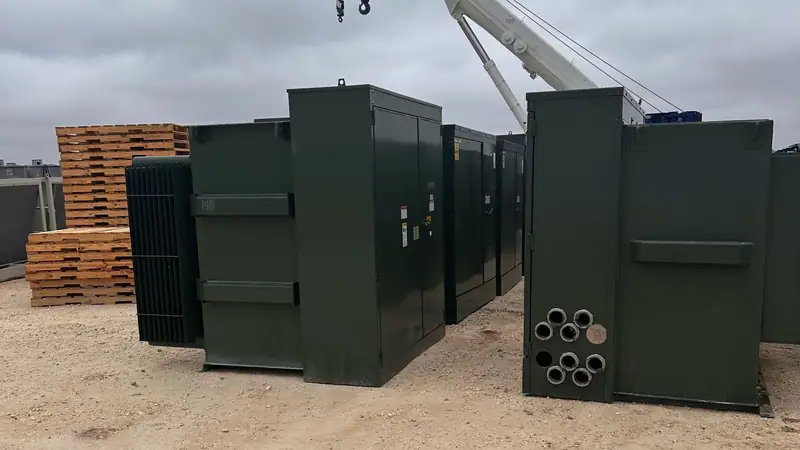
Shielding, kVA and Voltage Details That Affect Reuse
An electrostatic shield between primary and secondary windings helps reduce capacitive coupling of electrical noise when properly connected. It is different from the transformer's outer enclosure. If your unit is described as shielded, send a photo of that designation and any drawing showing the shield connection; do not rely solely on its appearance.
We compare kVA, voltage ratio, phase, frequency and winding connections before considering a reuse application. A shielded unit with unsuitable secondary voltage still needs a matching buyer. Enclosure dimensions, ventilation requirements and terminal access also affect where it can be installed.
Our buying range starts at roughly 15 kVA and extends to much larger equipment, but use the nameplate to establish your unit's exact rating. The transformer size guide explains capacity labels, while our 75 kVA transformer page covers that size specifically. Include overall dimensions and a listed weight if available so we can plan handling alongside the electrical review.
Condition Photos and Records for a Written Offer
We evaluate serviceable units for reuse and damaged or failed units according to their condition and recovery potential. Clear photos help us distinguish an intact transformer removed during an upgrade from one with burned windings, broken terminals or missing components. Tell us why it was removed and identify any known faults.
Send an overall view, the complete nameplate, enclosure damage and accessible connection details. Existing insulation-resistance results, winding-resistance readings or other test reports are useful if available. You do not need to commission new testing just to submit the initial information; we review what you already have and discuss any additional questions.
For older fluid-filled isolation units, identify the fluid and provide available PCB labels or laboratory records. Our PCB testing and label guide explains what to look for; confirm current handling requirements with the appropriate qualified professionals. Only offer equipment you own or are authorized to sell. Utility-owned transformers remain the utility's property, even when located at your facility.
Arrange Pickup From Your New York Facility
Call or text 951-403-5738, or submit photos through our transformer offer form. Include the pickup location, number of units, nameplate details and condition. We review the equipment and provide a written offer, then agree on the handling arrangements and payment terms before scheduling pickup.
Tell us if the transformer is in a basement electrical room, on an upper floor or behind a restricted loading entrance. Include door dimensions, loading access and any available forklift or crane information. We coordinate rigging and suitable flatbed, step-deck or lowboy trucking, or you can load the equipment if you prefer. Electrical disconnection should be handled by qualified personnel before removal.
We have no public storefront or drop-off yard in New York; we coordinate pickup at the seller's location. Our pickup and payment process includes a quick inspection to confirm the equipment matches the photos. Payment is by check, ACH or wire under the agreed terms. Keep any loose panels, connection diagrams and supplied accessories with their corresponding transformer.
Questions sellers ask about Isolation & K-Factor
Who buys used drive isolation transformers in New York?
We buy used drive isolation transformers anywhere in New York State, including units removed during drive upgrades, plant changes and shutdowns. Send the nameplate, overall photos, known condition and pickup location. We review the electrical ratings and handling requirements, provide a written offer and coordinate pickup under the agreed terms.
Can I sell a K-13 or K-20 transformer from a data room?
Yes, we consider K-13, K-20 and other K-rated transformers from data rooms and similar facilities. Send the actual K rating together with kVA, primary and secondary voltages, phase and condition. The K rating describes harmonic-load heating capability, not extra kVA capacity. Available connection diagrams and test records help us evaluate the unit.
Is a K-factor transformer the same as a harmonic-mitigating transformer?
No. A K-factor transformer is designed to tolerate the heating associated with a specified harmonic load. A harmonic-mitigating transformer uses its winding design and phase relationships to reduce certain harmonic effects in a suitable installation. We review the manufacturer's designation and connection information rather than assuming either feature from the installation location.
Do you buy failed or damaged isolation transformers?
Yes, we consider failed, damaged and scrap isolation transformers as well as serviceable units. Tell us about burned windings, missing parts, physical damage or known electrical faults, and send clear photos. We assess condition and recovery potential separately from reuse potential. Include the listed weight and access details if available for pickup planning.