Decommissioned Transformer Buyers for Retired Equipment
We buy one retired transformer or an entire yard of units from a plant closure or phased equipment replacement. Our buying range runs roughly from 15 kVA to 20+ MVA, including equipment that remains usable, has failed or is being sold for scrap. Send the nameplate rather than estimating capacity from the enclosure size.
For industrial shutdowns and substation retirements, we review substation transformers, unit-substation assemblies and larger power transformers. Building gut renovations and data hall upgrades often involve dry-type transformers, while solar repowering can leave surplus padmount or step-up units. Tell us which units are already removed and which remain installed.
A substation decommissioning transformer may have useful operating records even after the facility closes. Include its last service date, known faults and any test reports. We review age and condition alongside capacity and voltage, rather than treating every retired unit as scrap. If several transformers are available, identify each one separately so our offer and pickup plan match the equipment.
What we buy
New surplus, used, decommissioned and failed units, from about 15 kVA to 20 MVA and up. One transformer or a whole yard.
Build the Offer Around Your Decommissioning Schedule
Start with nameplate photos, overall equipment photos and the location of each transformer. Call or text 951-403-5738 with the basic details, or use our online offer form. Include your planned shutdown date, removal deadline and any demolition milestone that limits access.
For an installed unit, we also need enough site information to understand the move:
- kVA or MVA rating, primary and secondary voltages, and manufacturer.
- Approximate age, condition, fluid type and known PCB status.
- Available test data and any history of failure, leaks or repairs.
- Nameplate weight, dimensions, door openings and the route to the loading area.
- Who will disconnect, move and load the transformer.
Our transformer photo guide helps you document the unit and its surroundings. Photograph cable compartments only when your qualified personnel confirm safe access. For multiple units, label the photos to match your equipment list. We use these details to prepare a written offer and identify pickup requirements before trucks or lifting equipment are scheduled.
Electrical Isolation Comes Before Transformer Removal
Transformer removal and purchase need separate responsibilities. Your qualified electrical contractor or authorized site personnel must handle de-energizing, verifying isolation and disconnecting conductors. Where utility service is involved, coordinate the required disconnect with the utility before anyone attempts removal. Our purchase and pickup coordination are not a substitute for electrical isolation work.
Utility-owned transformers belong to the utility and are not yours to sell, even when they sit on your property. Confirm ownership early, particularly for service equipment outside a building or in a shared vault. We need a clear distinction between your transformer and any utility equipment that must remain in place.
Before pickup, tell us whether the transformer is still connected to switchgear, cables, bus duct or grounding conductors, and who will complete that work. Confirm current electrical and site requirements with the responsible professionals. Our purchase and pickup process works best when the electrical release, rigging window and trucking appointment are coordinated around the same removal plan.
Agree on Oil, PCB Information and Scrap Condition
Do not drain an oil-filled transformer just to prepare it for an offer. Send the fluid type, any available fluid test results, known PCB information and photos of leaks or damage. We review mineral-oil, natural-ester and silicone-filled units, and agree on the intended fluid condition before pickup.
Some moves are planned with fluid retained; others require draining as part of the site's removal or transport plan. The approach depends on the unit, its condition and the handling arrangements. Tell us if fluid has already been removed, where it went and what documentation is available. Do not guess PCB status from the transformer's age alone.
PCB and waste-handling requirements depend on the material and circumstances; confirm current EPA, New York State and applicable local requirements with qualified professionals. We also review failed, damaged and stripped units through our scrap transformer buying service. Disclose missing bushings, removed components, contamination concerns and any changes made after the original photos.
Coordinate Rigging With the Demolition Contractor
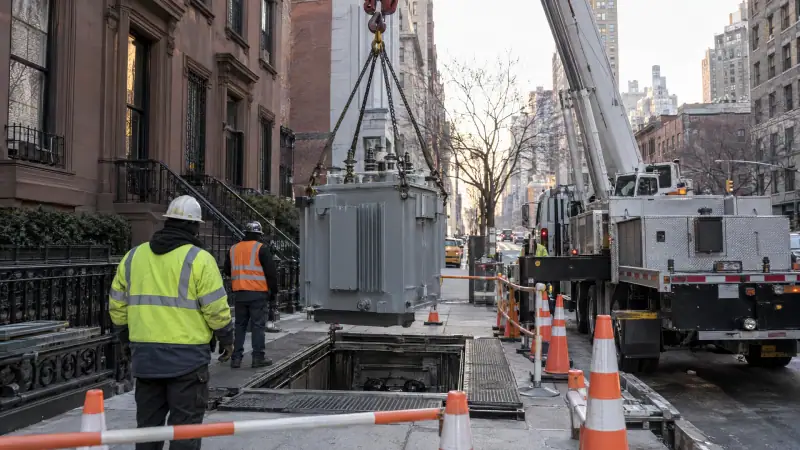
On a demolition project, the transformer move should happen before the building or yard loses its usable access route. We coordinate pickup with your demolition contractor, facility manager and rigging contact so the agreed unit is ready when loading equipment and trucking arrive. Tell us when walls, doors, fencing or pavement are scheduled for removal.
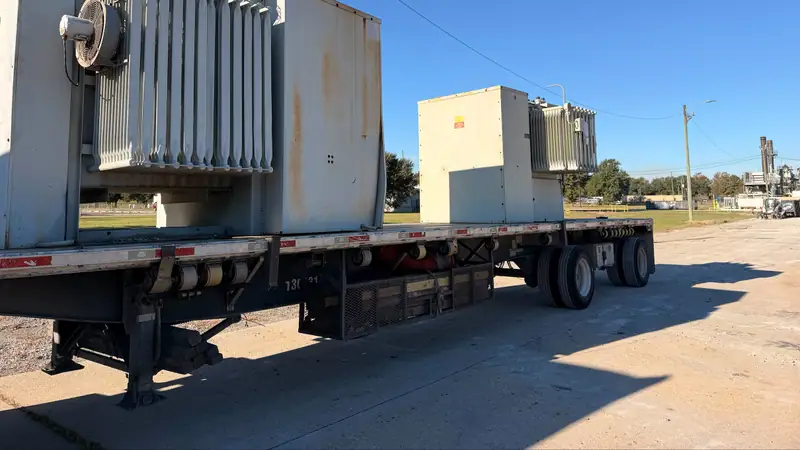
We coordinate forklift or crane handling and flatbed, step-deck or lowboy trucking according to the equipment and access. If your contractor prefers to load, we can plan around that arrangement. Use the nameplate weight and verified dimensions for lift planning; do not rely on capacity alone to estimate the load.
For indoor units, send photos of the full route from the transformer to the truck, including thresholds, ramps and restricted turns. For outdoor substations, identify overhead lines, narrow gates and ground conditions. Agree on which components stay with the sale before dismantling begins. At pickup, we perform a quick inspection to confirm that the equipment matches the photos and agreed description.
Plan New York Pickup Around Weather and Site Access
We coordinate pickup throughout our New York State service area, but the loading plan needs to reflect the season. Snowbanks can block gates and staging areas, ice can affect working surfaces, and spring thaw or heavy rain can soften an unpaved access route. Tell us about these conditions before the pickup is scheduled.
For city sites and projects on Long Island, include truck access restrictions, loading windows and available staging space. For rural plants, substations and solar sites, identify the usable truck route and any limits your site team has established. If construction changes access after the offer, send updated photos before dispatch arrangements are finalized.
We have no public storefront or drop-off yard in New York; we come to the seller through coordinated pickup. Once the equipment and logistics are agreed, payment is made by check, ACH or wire under the agreed terms. Give us the removal deadline early so we can plan around your shutdown or demolition sequence.
Questions sellers ask about Decommissioned Transformer Buyers
Who buys decommissioned transformers in New York?
We buy decommissioned electrical transformers anywhere in New York State, from a single building unit to an entire yard of retired equipment. We review usable, failed, damaged and scrap units. Send nameplate photos, condition details and your removal schedule so we can prepare a written offer and discuss pickup.
Do transformer buyers disconnect and remove the transformer?
We coordinate pickup, rigging and trucking, or work with your contractor if they will load the unit. Your qualified electrical contractor or authorized site personnel must handle electrical isolation and disconnection. Any required utility disconnect needs to be arranged before removal, with responsibilities agreed before the pickup date.
Should I drain a decommissioned transformer before selling it?
Contact us before draining it. We review the fluid type, known PCB status, condition and planned handling arrangements, then agree on the pickup condition. If it has already been drained, send the available records and explain what was removed. Fluid handling should follow current applicable requirements.
Can I sell a transformer being replaced during solar repowering?
We review retired padmount and step-up transformers from solar repowering projects. Send the nameplate, voltages, condition, fluid information and available test reports, along with the replacement schedule. Confirm that you own the equipment and identify whether it is still installed, disconnected or already staged for loading.
Can you pick up transformers during a plant demolition?
We coordinate pickup around plant closures and demolition schedules. Send the equipment list, access photos and the date when doors, walls or yard routes will change. We work with your demolition and rigging contacts to plan loading, and inspect the transformers at pickup to confirm they match the agreed description.