What we evaluate as scrap transformer buyers
We buy many failed, burned, flooded, damaged and obsolete transformers for their core, coils and recoverable materials. A unit does not need to operate for us to review it. Tell us what happened, what remains intact and whether anyone has already removed parts.
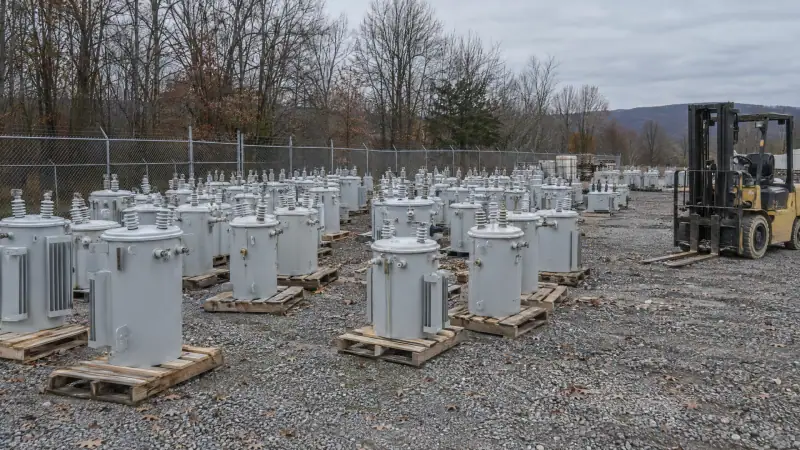
For scrap purchases, we focus on electrical transformers such as oil-filled padmount and substation units, pole-mount units and dry-type transformers. Our buying range is roughly 15 kVA through 20+ MVA, from one removed unit to an entire yard. Use the nameplate for the actual rating rather than estimating from the enclosure.
Useful condition details include:
- Fire or heat damage to the enclosure, coils or bushings.
- Flood exposure, water entry or visible corrosion.
- A failed winding, insulation problem or reported test failure.
- Missing coils, stripped leads, removed bushings or a drained tank.
Age alone is not the reason to scrap a transformer. Our old transformer buying information covers aging units, while our decommissioned transformer buying page addresses equipment removed from service.
What we buy
New surplus, used, decommissioned and failed units, from about 15 kVA to 20 MVA and up. One transformer or a whole yard.
What affects scrap transformer prices
Scrap transformer prices depend on the materials present, their condition and the work needed to move and handle the unit. We review the transformer as a complete piece of equipment, not simply as a stated weight multiplied by a metal rate. Oil, enclosure steel and internal materials all contribute to gross weight.
Copper versus aluminum windings are an important detail. Copper generally has a higher scrap value per pound than aluminum, but winding material alone is not enough to value a transformer. Core steel, enclosure construction, missing components, contamination and access for loading also matter.
Send a manufacturer document or clear marking if it identifies the winding material. Do not guess from the color of exposed leads, and do not open or dismantle the transformer just to check. We also review the nameplate weight and any separate oil or shipping-weight information available.
A repairable unit may have value beyond its materials. Our guide to what a used transformer is worth explains the broader factors we consider before treating equipment strictly as scrap.
Why have a transformer buyer review it before a scrap yard?
Selling to a transformer scrap buyer gives you a review of both equipment value and material value. A reported failure may involve a replaceable component, while severe winding damage may make material recovery the practical route. We use the description, photos and available test records to decide how to evaluate your unit.
A scrap yard's acceptance requirements vary, especially for oil-filled equipment. Ask what documentation, draining or preparation it requires before arranging delivery. With us, oil condition and PCB information are part of the buying review, and we coordinate pickup rather than asking you to bring the unit to a public drop-off yard.
The equipment type also matters. We assess exposed coils and enclosures on dry-type transformers, while tanks, fluid information and compartment condition are important for padmount transformers.
Send the unit as it stands in your initial photos. Cutting out coils or stripping accessible metal can remove information we need to assess repair potential and changes what remains available for purchase.
Oil, PCB records and ownership details we need
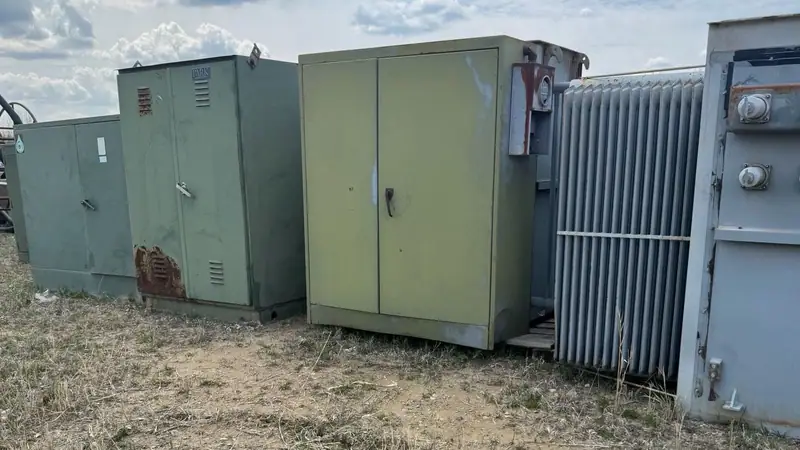
For an oil-filled transformer, tell us whether the fluid is mineral oil, FR3 or another natural ester, silicone, or unknown. Include any fluid labels, PCB markings and laboratory reports you have. We review fluid and PCB status before agreeing to a purchase and pickup plan; do not describe an untested unit as PCB-free.
Also disclose active leaks, fire residue, floodwater exposure and any known contamination. Photos of the tank, valves and surrounding area help us understand the condition. If the transformer was drained, tell us when and provide the available fluid-handling records. Do not drain it solely to prepare it for our review.
PCB and waste-handling requirements depend on the equipment and its condition; confirm current EPA, New York State and applicable local requirements with qualified professionals. Keep failed equipment isolated, and have qualified electrical personnel handle disconnection before removal.
Confirm that you own the transformer or have authority to sell it. Utility-owned transformers belong to the utility and are not for sale by property owners, even when they sit on private property.
Send photos that show the damage and remaining materials
To sell scrap transformers to us, call or text 951-403-5738, or use our online offer form. Start with the nameplate, overall condition and pickup location. For multiple units, identify each transformer separately so the photos and ratings stay matched.
Include these details when available:
- Type, kVA or MVA rating, primary and secondary voltages, and age.
- A readable nameplate photo and views of all accessible sides.
- Close-ups of burned areas, leaks, broken bushings or missing parts.
- Known winding material, fluid type, PCB records and test results.
- Nameplate weight, current location and loading access.
Our guide to transformer photos to send helps you put together a useful photo set without dismantling the equipment. Photograph only areas you can safely access.
Tell us if the unit is still installed, already disconnected, sitting on a pallet or stored outdoors. We review the information and provide a written offer for equipment we can buy. Describe known faults plainly; accurate details help keep the offer and pickup inspection aligned.
Statewide pickup for one scrap unit or an entire yard
We coordinate pickup anywhere in New York State, including sites with one failed transformer and yards holding multiple removed units. We have no public storefront or drop-off yard in New York. Our New York service area information explains our statewide pickup coverage.
Before scheduling, tell us how a truck can reach the transformer and what loading equipment is available. A unit inside a building, behind a fence or below grade needs a different removal plan from one beside an open loading area. Include access restrictions, overhead obstructions and any known limits on truck positioning.
We coordinate rigging, forklift or crane arrangements and flatbed, step-deck or lowboy trucking as needed. You can also load the equipment if that is your preference and the arrangement is agreed in advance.
At pickup, we make a quick inspection to confirm that the unit matches the photos and description. Payment is by check, ACH or wire under the agreed terms. Our transformer buying process explains the steps from the initial review through pickup and payment.
Questions sellers ask about Scrap Transformer Buyers
Who buys burned or failed transformers in New York?
We buy many burned, failed and damaged electrical transformers throughout New York State. We review the remaining core, coils, enclosure and other materials, along with any repair potential. Send nameplate photos, pictures of the damage, fluid and PCB information, and the pickup location so we can evaluate the unit.
How much is a scrap transformer worth?
We need the unit's details before making a written offer. Winding material, core steel, remaining components, oil, condition and loading requirements all affect the evaluation. Gross weight alone does not identify the amount of recoverable copper or aluminum. Send the nameplate, condition photos and any documents identifying the winding material.
Can I sell a scrap transformer with oil still inside?
We review oil-filled transformers with fluid still inside. Tell us the fluid type, whether the tank leaks, and what PCB labels or test records are available. Do not drain the transformer just to request an offer. We need to review its fluid and PCB status before agreeing to purchase and pickup arrangements.
Do you pick up scrap transformers anywhere in New York?
Yes. We coordinate pickup statewide for one transformer or multiple units, subject to the agreed purchase and removal plan. Send the location, nameplate weight if available, access photos and details about onsite loading equipment. We coordinate suitable rigging and trucking, or you can load the equipment under an agreed arrangement.