
Start transformer decommissioning with ownership and scope
Before scheduling removal, identify who owns the transformer and who has authority to sell it. A transformer serving your building may belong to the utility, even when it sits on your property. Utility-owned equipment is not yours to sell; coordinate its disposition with the utility.
- Confirm ownership: Gather purchase records, asset records or other documentation identifying the owner and authorized seller.
- Define the boundary: Identify the transformer being removed, the cables and connections affected, and any adjacent switchgear that must remain in service.
- Coordinate service changes: Contact the utility when the work affects its equipment, metering or service connection. Establish who handles each part of the outage.
- Assign responsibilities: Name the electrical contractor, site contact and party responsible for environmental documentation and removal access.
Tell us whether the unit is still connected, already isolated or sitting in storage. We can begin reviewing it from photos before removal. Our offer request form lets you submit the equipment details while your team establishes the project scope.
Assign electrical isolation to qualified personnel
Treat electrical isolation as a separate work package, not a task for the pickup crew. Qualified personnel must establish a safe condition under the site's procedures and applicable requirements before cables are disconnected or the transformer is released for lifting.
- Identify every energy source: Include normal feeds, secondary backfeed and connections to generators, solar systems or battery storage where present.
- Plan the outage: Confirm affected loads, required shutdowns and who authorizes the work.
- De-energize and lock out/tag out: Have qualified personnel perform isolation, verification and any required discharge procedures.
- Address grounding: Have the electrical team determine and apply protective grounding where required by the equipment and work procedure.
- Disconnect and secure cables: Assign cable removal, termination protection and treatment of remaining conductors to the electrical contractor.
Do not open energized compartments or remove covers just to obtain sales photos. Provide exterior information first, then document accessible areas after the electrical team clears them. Record who completed the isolation and when the unit was released; that distinction keeps electrical work separate from rigging and trucking.
Document the nameplate, condition and fluid status
Photograph the nameplate before it becomes obscured by wrapping, lifting gear or storage arrangements. We review transformer type, kVA or MVA, primary and secondary voltages, age, condition, fluid and PCB status, plus test data when available. Our nameplate reading guide explains which fields help identify the unit.
- Capture identification: Send a readable nameplate image and any separate fluid or PCB labels.
- Show the condition: Photograph all sides, bushings, connection compartments when safely accessible, corrosion, leaks and visible damage. Follow our transformer photo checklist.
- Describe service history: State why the transformer was removed, whether it failed, and which parts are missing.
- Gather fluid records: Include available oil sample reports, PCB results and the fluid type shown on records or labels.
For oil-filled units, agree on any necessary sampling before draining or mixing fluids. Use our PCB testing and label guide to organize documentation, and include available oil testing and DGA reports. Have qualified environmental personnel confirm current EPA, New York and applicable local requirements; this checklist is general guidance, not legal advice.
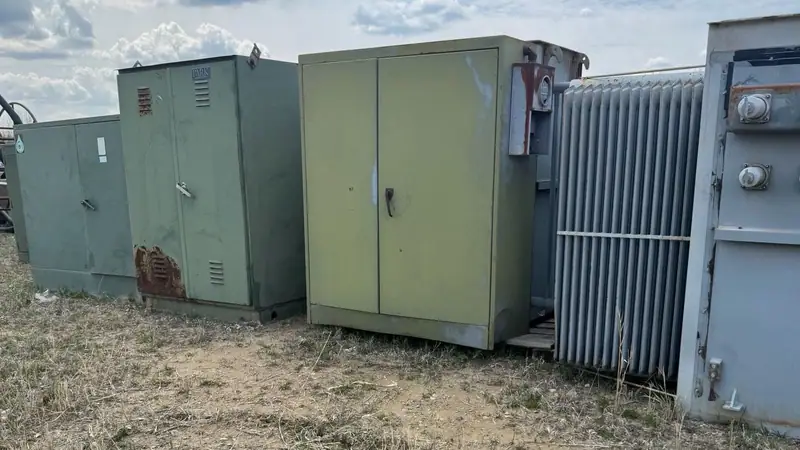
Agree on oil draining and prepare the unit for removal
Do not drain an oil-filled transformer just because it is being sold or scrapped. Agree on the intended handling condition with us and the responsible contractor first. Fluid status affects weight, containment, transport planning and the equipment description in the offer.
- Record the drain decision: State whether the unit will remain filled or arrive drained, who performs that work, and who handles the removed fluid.
- Document changes: Record the fluid quantity removed when known, retain relevant reports, and tell us about leaks or spills.
- Secure fittings: Have the responsible crew close and secure valves, plugs, covers and loose accessories after work is complete.
- Protect exposed parts: Plan protection for bushings, terminals and openings without hiding damage that needs inspection.
- Keep the site controlled: Address existing leaks and provide suitable containment during preparation and loading.
A failed transformer can still be worth reviewing, but condition and completeness matter. Our scrap value versus resale guide explains why removing parts or changing the unit before evaluation can affect the purchase decision. Keep detached components identified with their original transformer.
Build the rigging and transport plan around the site
Send us the pickup address and describe the full route from the transformer's location to the truck. A padmount beside a driveway needs a different plan from a substation unit behind fencing or a dry-type transformer inside a building. We coordinate rigging, forklift or crane needs and flatbed, step-deck or lowboy trucking; you may load if you prefer.
- Confirm weight and dimensions: Use nameplate weight and manufacturer information where available. Our transformer weight guide provides approximate context, not a substitute for verified lifting data.
- Check the access route: Note gates, doorways, overhead obstructions, slopes, ground conditions and truck staging space.
- Have the rigging team review lift points: Report damaged lifting attachments or missing handling information before equipment is dispatched.
- Separate loose items: Identify accessories that travel with the unit and how they will be secured.
- Assign loading responsibilities: Confirm who supplies equipment, operators and site access.
For constrained New York City sites, have the project team confirm applicable access, street-use and permitting requirements. We coordinate pickup across our New York service area, but we do not have a public storefront or drop-off yard in the state.
Close out pickup, site restoration and sale records
Before loading, confirm that the transformer matches the photos and description used for the offer. Tell us about any changes since review, including removed bushings, drained oil, additional damage or missing accessories. We perform a quick inspection at pickup to confirm the unit matches the submitted information.
- Confirm commercial terms: Keep the written offer, equipment identification, loading arrangement and agreed payment terms together.
- Complete pickup records: Record the pickup date, units released and any agreed changes to the equipment description.
- Assign site restoration: Identify who removes debris, addresses the empty pad or vault, secures remaining cables and repairs affected surfaces.
- Retain environmental records: Keep relevant fluid reports, sampling records and any required handling or disposal documentation with the project file.
- Close the asset record: Record the sale and removal in the owner's equipment inventory.
We pay by check, ACH or wire under the agreed terms. Call or text 951-403-5738 with the nameplate photos and project details to start the review. Our buying process explains the steps from initial submission through written offer, pickup coordination and payment.
Questions sellers ask about Decommissioning Checklist
Can I sell a transformer before it is decommissioned?
Yes. We can review nameplate photos, condition details and available records while the transformer is still installed. Tell us its current operating status and planned removal schedule. Qualified personnel must complete electrical isolation and disconnection before loading. The written offer and pickup arrangements should clearly identify the expected condition at handoff.
Do I need to drain transformer oil before pickup?
Do not drain it solely for the sale without first agreeing on the handling plan. Tell us the fluid type, available PCB information and whether the unit leaks. We review those details along with transport needs. If draining is required, assign the work and fluid handling to appropriate personnel and retain the records.
Who disconnects a transformer before removal?
The owner should assign electrical isolation, lockout/tagout, verification, grounding where required and cable disconnection to qualified personnel. Our pickup coordination covers rigging and transportation, not permission to work on energized equipment. If utility equipment or service connections are involved, coordinate the work scope with the utility before scheduling removal.
What records should I keep after transformer decommissioning?
Keep ownership authorization, nameplate photographs, condition records, available electrical test reports, fluid and PCB documentation, the written offer and pickup records. Retain required environmental handling or disposal records when applicable. Also document who completed electrical isolation and site restoration. Confirm current recordkeeping requirements with the professionals responsible for your project.