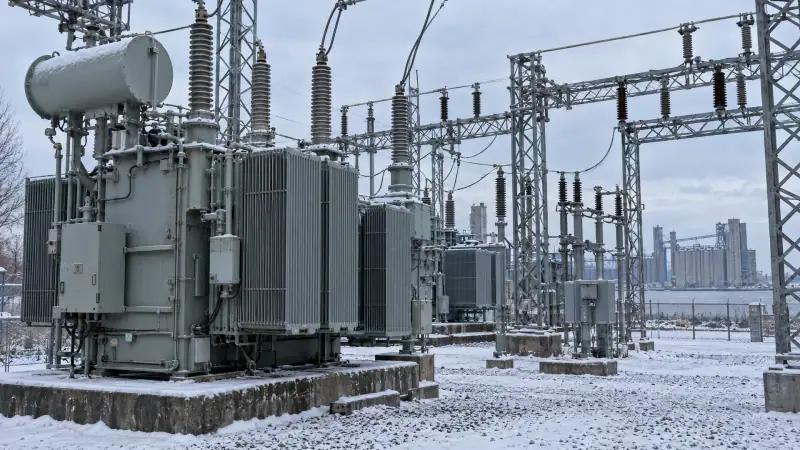
When transformer oil testing helps us evaluate an offer
An oil report is most useful when it connects to a specific transformer and its operating history. We look at the sample date, unit identification, fluid type, service status and reason for testing. A report taken before a fault or oil treatment may not describe the unit's current condition.
For a larger substation or power transformer being considered for reuse, we may ask for existing oil tests, electrical test results and maintenance records. For a failed unit being evaluated for scrap, nameplate photos, damage details and fluid information may be enough to begin our review. We also buy units with missing records; tell us what is available before paying for new tests.
Send the following with your report:
- Nameplate and full-unit photos, including visible leaks or damage.
- The lab report with sample date and transformer identification.
- Whether the unit is energized, disconnected or already removed.
- Known faults, oil changes, filtration or recent repairs.
Our oil-filled transformer buying page explains the equipment we consider. We weigh test results alongside the transformer's rating, condition and removal requirements.
Dielectric breakdown and moisture: oil insulation checks
Dielectric breakdown testing measures the voltage at which an oil sample breaks down under a specified laboratory method. Water, particles and other contamination can reduce the result. Test methods use different electrode arrangements and procedures, so we need the method shown on the report rather than an isolated breakdown-voltage number.
Moisture is commonly reported in parts per million, or ppm. Its meaning depends on fluid type and temperature: mineral oil and natural ester fluids hold different amounts of water, and water moves between the liquid and paper insulation as conditions change. An oil moisture reading alone does not establish how wet the paper is.
We review breakdown and moisture together with sample quality and operating history. A low result may point toward contamination or a need for treatment, but it is not a complete diagnosis of winding condition. Drying or filtering the oil also does not prove that aged paper insulation has recovered.
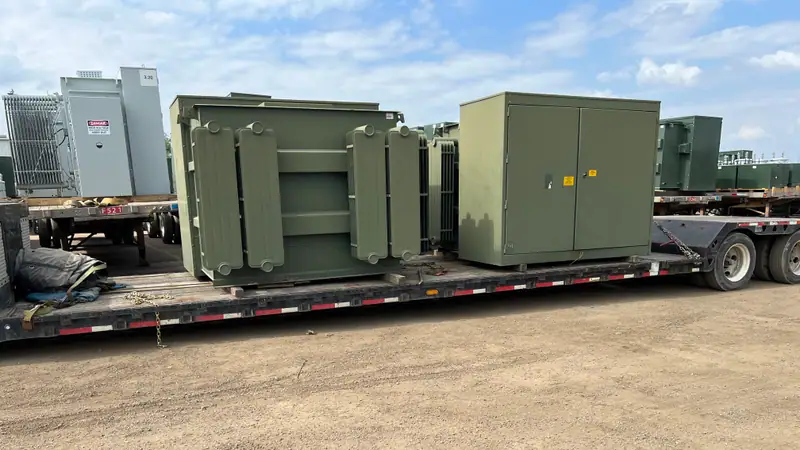
For a padmount transformer being sold, send any reports available and note evidence of water entry, leaking seals or tank damage.
Acidity and IFT: signs of oil deterioration
Acidity testing measures the oil's neutralization number, commonly reported as milligrams of potassium hydroxide per gram of fluid. In mineral oil, rising acidity can indicate oxidation and deterioration. We review the result with maintenance history, other oil properties and the laboratory's interpretation rather than using it as a stand-alone pass-or-fail test.
Interfacial tension, usually shortened to IFT, measures the tension at the boundary between oil and water. In mineral oil, declining IFT can indicate an increase in polar contaminants and oxidation products. A pattern of increasing acidity and falling IFT deserves closer review, especially when reports also note sludge or other deterioration.
Fluid identity matters. Mineral oil, FR3 or another natural ester, and silicone fluid should not all be judged against the same expectations. Send the fluid label or manufacturer information if the nameplate does not identify it.
We use these results to understand condition when evaluating used transformers for purchase. Oil treatment history matters too: ask your maintenance provider for reports from before and after treatment, if available.
Dissolved gas analysis: what transformer DGA can suggest
Dissolved gas analysis measures gases dissolved in the insulating liquid. Transformer DGA helps identify possible electrical or thermal activity, but interpretation depends on gas combinations, concentrations, changes over time, fluid type and transformer design. One gas reading is not a reliable diagnosis by itself.
Common gases and their general associations include:
- Hydrogen: Often associated with partial discharge or other electrical activity; it can also have non-fault sources.
- Methane and ethane: Can indicate lower-temperature thermal activity in oil.
- Ethylene: Often associated with higher-temperature oil heating.
- Acetylene: Can indicate high-energy electrical discharge or arcing.
- Carbon monoxide and carbon dioxide: Can help assess cellulose involvement, alongside other evidence.
Tap-changer arrangements matter because switching can generate gases, particularly acetylene. Tell us whether the sample came from the main tank or a separate tap-changer compartment.
We prefer a sequence of dated reports to a single sample. Rapid gas growth deserves more attention than a stable historical reading, while oil replacement or degassing can interrupt the trend. Include loading and fault history where known; our transformer loading guide provides related background.
Furan analysis, paper aging and separate PCB records
Furan analysis looks for compounds associated with the breakdown of cellulose insulation. A commonly reported compound is 2-furfural, also called 2-FAL. These results can help assess paper aging, particularly in mineral-oil transformers, but they do not provide a universal remaining-life calculation.
Paper type, fluid type, temperature history and oil replacement affect interpretation. Thermally upgraded paper may produce different results from conventional kraft paper, and oil changes can lower measured furan concentrations without restoring the paper. We review furan data alongside DGA, maintenance records and any available electrical tests.
PCB status is a separate issue. A standard DGA or moisture report does not establish PCB concentration; send a specific PCB test report or reliable documentation identifying the fluid's status. If status is unknown, tell us before pickup arrangements are made.
Use qualified personnel for sampling and confirm current environmental requirements for the fluid and unit. Our transformer decommissioning checklist helps organize records and removal details; for damaged equipment, see how we evaluate scrap transformers.
Selling an oil-filled transformer with or without lab reports
Call or text 951-403-5738, or request a written offer with nameplate photos and basic details. Include kVA or MVA, primary and secondary voltages, age if known, fluid type, PCB status and current condition. Attach existing reports, even if they are older, and identify any faults or oil treatment since sampling.
Do not order a new oil-testing package solely to sell the transformer before speaking with us. We can begin a review without lab reports and tell you which missing information matters. A failed transformer may still be a purchase candidate, but its condition affects whether we evaluate it for reuse, recovery or scrap.
Once terms are agreed, we schedule pickup and coordinate rigging, forklift or crane needs, and suitable trucking. You can load the unit if preferred. We conduct a quick inspection at pickup to confirm it matches the photos, then pay by check, ACH or wire under the agreed terms.
We coordinate pickup throughout New York State and have no public storefront or drop-off yard. Our loading and shipping guide explains access and transport details to gather before scheduling.
Questions sellers ask about Oil Testing & DGA
Do I need transformer oil testing before selling my transformer?
Not necessarily. We can start with nameplate photos, condition details, fluid information and PCB status. Existing reports help, especially for larger units being considered for reuse. Contact us before ordering new tests so we can explain what information we need for that particular transformer and its intended evaluation.
Will you buy a transformer with a bad DGA report?
We buy damaged and failed transformers as well as serviceable units. Send the complete DGA report, fault history and photos rather than just the flagged gas values. We review the unit's rating, condition, fluid and PCB information to determine whether to evaluate it for reuse, recovery or scrap.
What is an acceptable moisture ppm level in transformer oil?
There is no single moisture ppm limit suitable for every transformer and fluid. Interpretation depends on oil type, temperature, equipment requirements and the test context. Send the full laboratory report, including sample information and fluid identification. Oil moisture also does not directly establish the moisture content of the paper insulation.
Does dissolved gas analysis show whether transformer oil has PCBs?
No. Dissolved gas analysis measures gases associated with operating conditions and possible faults; it is not a PCB concentration test. Send a separate PCB laboratory report or reliable fluid-status documentation. If PCB status is unknown, say so at the start so we can review it before arranging pickup.
Can I sell the oil-filled transformer on my property?
You must own the transformer or have authority from its owner to sell it. A utility-owned transformer remains the utility's property even when it sits on your land or serves your building. For equipment you own, send nameplate photos, service status, fluid details and any available oil reports for review.