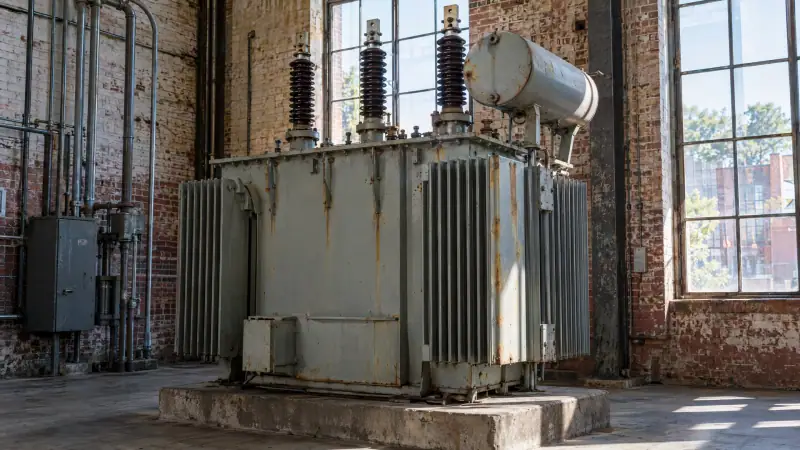
How Much Copper Is in a Transformer? Broad Estimates
There is no dependable copper-per-kVA formula that works across transformer designs. Two units with the same rating can have different winding materials, conductor sizes, cooling arrangements, and total weights. We use the rating to identify the equipment, not to calculate exact copper pounds.
The following are broad, approximate screening ranges for copper-wound equipment, not specifications or a basis for settlement:
| Copper-wound transformer category | Broad approximate winding-copper range |
|---|---|
| Smaller dry-type units, roughly 15–150 kVA | Tens to a few hundred pounds |
| Larger industrial units, from several hundred kVA into MVA ratings | Hundreds to several thousand pounds, with large power units potentially exceeding that range |
These ranges are deliberately broad. They do not apply to aluminum windings, and they cannot establish the copper content of a particular unit. Rely on the nameplate for ratings and listed weight, then seek manufacturer documentation for winding material and metal quantities.
If you need to know how much copper is in a transformer in pounds, send us the manufacturer, model, serial number, and readable nameplate photos first. We can review the complete unit without requiring you to open it.
Copper and Aluminum Windings: Identify Before Estimating
Many distribution transformers use aluminum windings. Copper is also common, but a padmount enclosure, pole-mount tank, or familiar manufacturer name does not establish which metal is inside. Some designs use different conductor materials in different windings, so identifying one winding may not settle the question for the whole transformer.
Look for a winding-material statement on the nameplate, original specification sheet, factory drawings, or test documentation. Terms such as “copper windings,” “aluminum windings,” “CU,” or “AL” can help, but confirm that the marking describes the windings rather than a terminal or connection requirement. Our guide to reading a transformer nameplate explains which identification details to capture.
Visible terminals and leads are not reliable proof of the internal winding material. Aluminum-wound equipment can still contain copper in connections or other components. If the records are missing, tell us the material is unknown; we would rather review accurate information than a guess. Include clear exterior views using our transformer photo checklist.
Why Total Transformer Weight Is Not Copper Weight
A transformer's total weight includes much more than its windings. The magnetic core usually contains electrical steel, while the enclosure or tank adds structural steel. Oil-filled units also carry insulating fluid, and both dry-type and liquid-filled designs contain insulation, supports, terminals, and other parts.
Winding metal is only a fraction of that total. An oil-filled transformer weighing several thousand pounds does not contain several thousand pounds of copper. An aluminum-wound transformer may have substantial total weight while containing relatively little copper outside its connections and accessories.
Check whether the nameplate lists total weight, fluid weight, shipping weight, or separate assembly weights. Those figures have different meanings. A shipping figure may include packaging, while a large unit may ship with some components or fluid handled separately.
We do not subtract the fluid weight and call the remainder copper. The core, tank, and insulation still account for substantial weight. For a useful assessment, send the listed weights exactly as shown, along with any drawings or material records you have.
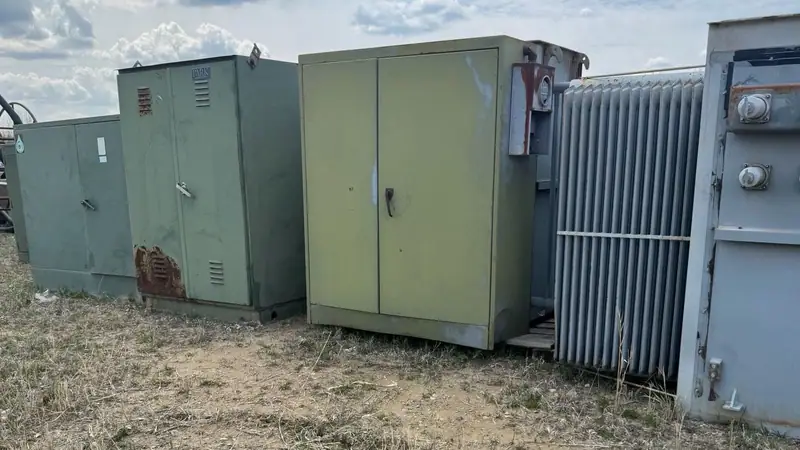
What Makes Copper Content Vary Between Similar Units
The kVA or MVA rating describes power capacity, not a fixed quantity of winding metal. Voltage, winding arrangement, impedance, temperature-rise design, and cooling method all influence how a transformer is built. Single-phase and three-phase units also have different internal arrangements.
Conductor size and the number of turns matter. Higher-voltage windings generally need more turns, while higher-current windings need greater conductor cross-section. Engineers balance those requirements with insulation clearances, losses, thermal performance, and available space. The resulting copper weight varies even among units with similar ratings.
Age alone is not a dependable shortcut. An older transformer is not necessarily copper-wound, and a newer transformer is not necessarily aluminum-wound. Likewise, a larger tank can reflect cooling or insulation requirements rather than more copper.
We review the specific unit: type, capacity, primary and secondary voltages, manufacturer, age, condition, fluid, and available test data. Factory records identifying conductor material are useful. If you only have a nameplate and exterior photos, send those rather than delaying the review to produce an unsupported metal estimate.
Copper Transformer Worth: Compare Resale Before Scrap
A complete, usable transformer may have more value as electrical equipment than as recovered metal. Its usefulness depends on its rating, voltage combination, configuration, condition, and suitability for another installation. Copper content is only one part of the assessment, and aluminum-wound equipment can also have resale value.
For a copper transformer's worth, we consider both equipment potential and its condition. New-in-crate surplus, serviceable used units, and removed-from-service equipment deserve a complete-unit review before dismantling. Our guide to what a used transformer is worth explains the main information buyers need.
Transformer scrap value involves more than copper pounds. Steel, aluminum, insulating fluid, separation work, handling, and transportation all affect the economics of recovering material. Failed equipment may still be worth selling intact, particularly when the alternative requires you to arrange dismantling and fluid handling yourself.
We buy damaged and scrap units as well as usable equipment. Read our comparison of transformer scrap value and resale before cutting windings or removing components. Dismantling can eliminate the opportunity to sell the transformer for continued service.
Get a Complete-Unit Offer Without Taking It Apart
Call or text 951-403-5738, or use our online offer form. Send nameplate photos, exterior views, location, quantity, condition, and any winding-material documentation. Include fluid and PCB information for oil-filled units, plus test reports if available. Our PCB testing and label guide explains what records to look for; confirm current handling requirements before work begins.
Do not open energized equipment or drain fluid just to estimate copper. Only offer equipment you own or are authorized to sell; utility-owned transformers belong to the utility, not the property owner. Our ownership and paperwork guide covers that distinction.
We review the information and provide a written offer. If accepted, we coordinate statewide pickup, including rigging, forklift or crane needs, and appropriate trucking; you can load if preferred. We have no public New York storefront or drop-off yard.
At pickup, we inspect the unit to confirm it matches the photos. Payment is by check, ACH, or wire under the agreed terms. Our transformer buying process explains the steps for one unit or an entire yard.
Questions sellers ask about Copper in a Transformer
How much copper is in a transformer in pounds?
There is no single dependable amount. As a broad approximation, smaller copper-wound dry-type transformers may contain tens to a few hundred pounds, while larger industrial units can contain hundreds to several thousand pounds or more. We need the specific design and winding material; total transformer weight is not copper weight.
How can I tell if my transformer has copper or aluminum windings?
Check the nameplate, original specifications, factory drawings, or manufacturer records for a winding-material statement. A copper-colored terminal or exposed lead does not establish the material of the internal windings. If your documents do not identify it, send us the nameplate and photos and describe the winding material as unknown.
Is a copper transformer worth more whole or as scrap?
A serviceable transformer can be worth more as complete electrical equipment than as separated metal. Rating, voltages, configuration, condition, and potential reuse matter alongside winding material. We review complete units before dismantling, including failed transformers, so you can compare an offer with the work involved in recovering scrap.
Do you buy aluminum-wound transformers in New York?
Yes. We buy aluminum-wound and copper-wound electrical transformers throughout New York State, including surplus, used, removed-from-service, damaged, and scrap units. Winding material is one review factor, not our only buying criterion. Send the nameplate, condition, location, and photos so we can assess the unit and coordinate pickup if an offer is accepted.