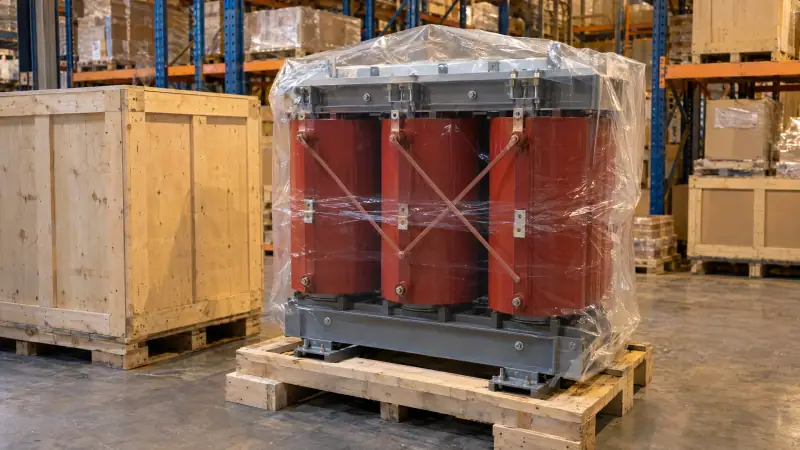
Sell new transformers with their condition documented
We buy unused electrical transformers left over from construction, facility upgrades and cancelled projects. A unit can qualify for our new-surplus review even if its original crate has been opened or discarded. Tell us if it has never been energized, and distinguish that from a transformer that was installed, tested under power or briefly placed in service.
New surplus units generally support stronger offers than comparable used equipment because they have no operating wear and may have a clearer condition history. Factory reports, intact accessories and well-preserved packaging help us assess that condition. The strongest offers depend on usable specifications and demand as well as the unit's unused status; a new transformer with an uncommon voltage configuration may have a narrower resale market.
As unused transformer buyers, we review each unit rather than valuing an entire lot by appearance alone. Send separate nameplate photos for transformers with different ratings, even when their crates look identical. Use our transformer offer form to submit the inventory, photos and basic details together.
What we buy
New surplus, used, decommissioned and failed units, from about 15 kVA to 20 MVA and up. One transformer or a whole yard.
Surplus from New York project and service changes
New York contractors and developers can end up with extra transformers when building plans change after equipment has been ordered. A revised electrical design may call for a different kVA rating, secondary voltage or installation arrangement. A cancelled building or reduced project scope can leave the original equipment unused in storage.
Utility service changes can also make a purchased transformer unsuitable for its intended job. Confirm the actual primary and secondary ratings from the nameplate rather than relying on the original bid description. We need the specifications of the equipment available now, not just what the project initially required.
Tell us why the unit became surplus and where it is currently stored. For multiple units, identify which are unused, which were installed and which have been energized. Only offer equipment you own or are authorized to sell; utility-owned transformers belong to the utility and are not for property owners to sell.
Crate condition and storage history affect our review
A new in crate transformer gives us useful evidence of how the equipment has been protected, but the crate alone does not establish condition. We look at the packaging, the visible transformer surfaces and the storage history together. New-old-stock equipment may have remained unused for years, so tell us the manufacturing date and approximate time in storage.
Useful packaging and storage details include:
- Whether the original crate, pallet, wrapping and shipping labels remain intact.
- Whether storage was indoors, under a roof or exposed outdoors.
- Any known water intrusion, condensation, corrosion or shipping impact.
- Whether bushings, terminals, doors and connection compartments are protected.
- Whether loose accessories, hardware and documentation are included.
- Any opened packaging, missing parts, fluid leaks or visible damage.
For dry-type units, moisture and contamination around windings and insulation deserve attention. For oil-filled equipment, photograph accessible tank surfaces, bushings and any visible leakage. Do not open sealed compartments or remove protective packaging just to improve the photos; start with what is safely visible and tell us what remains covered.
Nameplates and factory test reports to send
A clear nameplate photo is the most useful starting point. It lets us check the actual rating and configuration against the project description or purchase paperwork. Photograph the complete plate straight on, with enough detail to read the smaller entries.
For each transformer, send:
- Manufacturer, model and serial number.
- kVA or MVA rating, phase and frequency.
- Primary and secondary voltages, winding connection and available taps.
- Manufacturing date, impedance and cooling designation where shown.
- Fluid type and PCB information for oil-filled units, if available.
- Nameplate weight, overall dimensions and accessory details.
- Factory test reports and original specification sheets, if available.
Factory test reports help us review the unit's documented performance at manufacture. Reports tied to the serial number are especially useful when a lot contains several similar transformers. They do not replace a current condition review after prolonged storage or shipping damage.
Missing reports do not stop you from submitting a unit. Send the documents you have, along with exterior and packaging photos. Our guide to transformer photos to send explains how to build a useful photo set. For older oil-filled stock with unclear PCB documentation, confirm applicable handling requirements before moving or opening the equipment.
New surplus padmount, dry-type and substation units
The configuration matters as much as the unused condition. We review new surplus units from roughly 15 kVA through 20+ MVA, including equipment purchased for commercial buildings, industrial facilities and larger power projects. Use the nameplate for the exact rating; crate size is not a reliable measure of capacity.
For new surplus padmount transformers, send photos of the cabinet, accessible connection areas and any included accessories. Primary connection arrangement, secondary voltage and fluid type help us assess where the unit may be usable.
For unused dry-type transformers, include the enclosure and winding information shown on the plate. Tell us if the unit is cast coil or cast resin, or has a K-factor or drive-isolation designation.
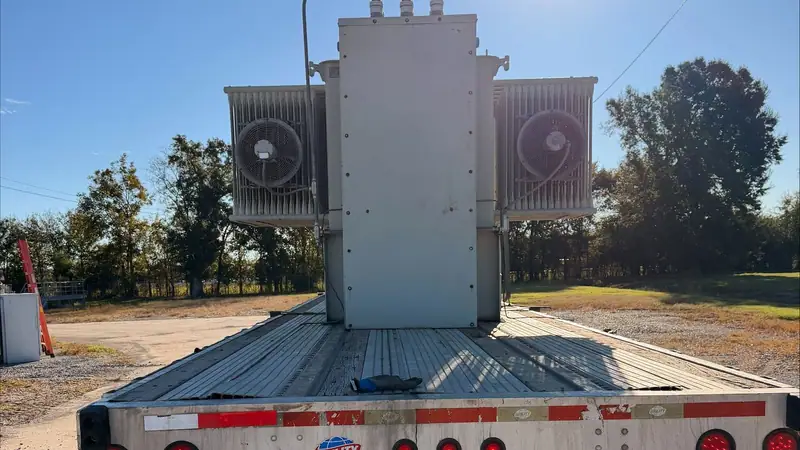
For surplus substation transformers, document the cooling configuration and supplied components, such as radiators, fans or connection cabinets. Identify anything shipped separately or now missing. If you are sorting a mixed inventory, our transformer size reference can help organize the ratings, but we still need each unit's nameplate.
Written offers and pickup from your storage location
Call or text 951-403-5738 with your photos and location, or submit the inventory through the offer form. We review the specifications, age, condition, storage details and available documents before providing a written offer. Tell us upfront if the equipment is still attached to a skid, stored behind other material or subject to a removal deadline.
We coordinate pickup throughout our New York State service area. We do not have a public storefront or drop-off yard in New York; we come to the seller. Warehouse, jobsite and storage-yard pickups require different access planning, so send photos of the loading area and route to the unit.
We coordinate rigging, forklift or crane needs and flatbed, step-deck or lowboy trucking, or you can load if you prefer. Use documented shipping weights and dimensions for planning, and keep lifting and loading with qualified personnel. At pickup, we make a quick inspection to confirm that the transformer matches the submitted photos and details.
Payment is by check, ACH or wire under the agreed terms. Our transformer buying process explains the steps from review through pickup and payment.
Questions sellers ask about Sell New Surplus Transformers
Who buys new surplus transformers in New York?
We buy new surplus electrical transformers anywhere in New York State, including never-energized units in crates and unused equipment held in storage. We review single units and larger inventories. Send nameplate photos, your location, storage details and available factory reports so we can assess the equipment and provide a written offer.
Can I sell a new transformer without the original crate?
Yes. We review unused transformers even when the original crate is missing or has been opened. Tell us how the unit was stored and whether it was ever installed or energized. Include photos of exposed surfaces, terminals, bushings and accessories, along with any visible corrosion, damage or missing protective covers.
Are new-old-stock transformers worth more than used ones?
Unused units often support stronger offers than comparable used transformers because they lack operating wear. Age, storage condition, voltage configuration, completeness and demand still affect the offer. A well-documented new-old-stock unit may be attractive, while moisture exposure, missing components or uncommon specifications can reduce its resale suitability.
Do I need factory test reports to sell a new transformer?
Factory test reports are helpful, but you can submit a transformer without them. We start with readable nameplate photos, condition photos and basic storage information. If reports are available, include the pages identifying the serial number and test results. Tell us about any additional testing performed after delivery or storage.
Will you pick up a transformer still in its shipping crate?
Yes, we coordinate pickup of crated transformers from the seller's location throughout New York State. Send crate dimensions, documented shipping weight and photos of the loading area. Tell us whether a suitable forklift or crane is available, or if you need us to coordinate loading equipment and trucking.