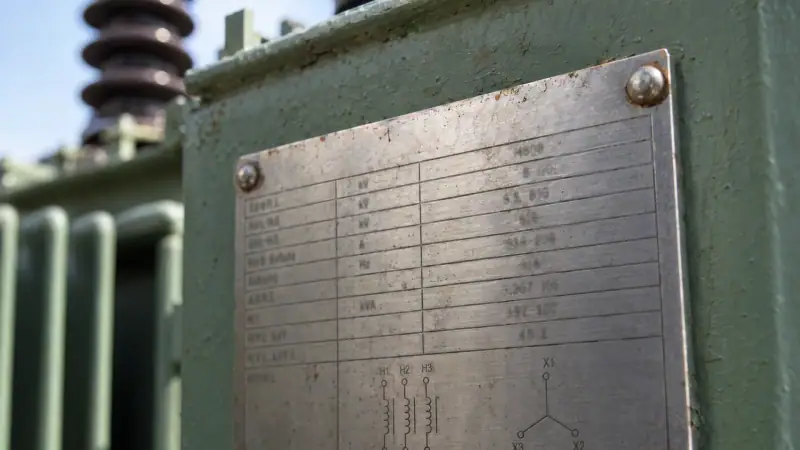
To sell a transformer, paperwork starts with ownership
A transformer serving your building is not necessarily your property. A utility owned transformer on a utility pad belongs to the utility and cannot be sold by the property owner. Its location on your land, or the fact that it supplies your facility, is not proof that you own it.
For customer-owned equipment, look for records connecting the transformer to the seller. Purchase invoices, asset registers, construction contracts, equipment schedules, and previous transfer documents can help establish that connection. Match the serial number or facility asset number to the unit you want us to review.
- Identify the legal owner and the person authorized to approve the sale.
- Photograph the nameplate and any ownership or asset tags.
- Check for lease, financing, or other agreements affecting disposal.
- Ask the utility to clarify ownership if the records are unclear.
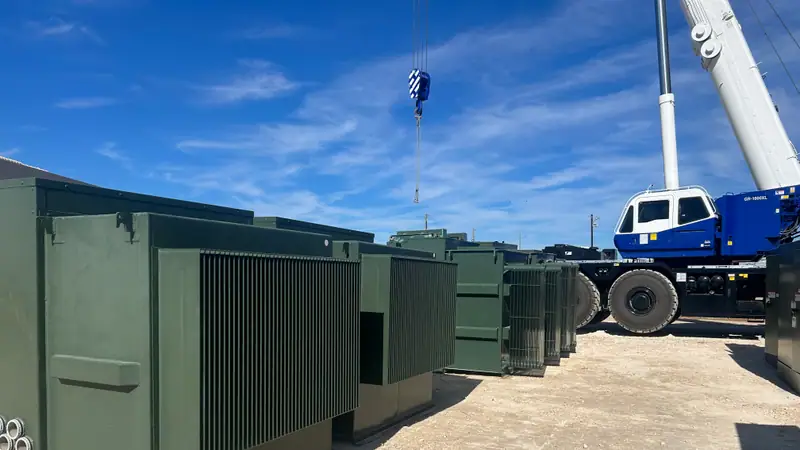
Ownership questions often arise with outdoor padmount transformers. We review photos and equipment details, but utility identification and site records should resolve who has authority to sell before pickup is arranged.
What to put in a transformer bill of sale
A transformer bill of sale should describe the equipment and identify the parties to the transaction. Keep the description specific enough to distinguish the unit from other transformers at the same site. For a multi-unit sale, attach an equipment list rather than relying on a description such as “all electrical equipment.”
Useful fields include:
- Seller and buyer names, plus the authorized seller contact.
- Manufacturer, serial number, kVA or MVA rating, and primary and secondary voltages.
- Quantity, location, and any facility asset numbers.
- Stated condition, included components, and known damage or missing parts.
- Agreed payment terms, pickup responsibilities, and transfer details.
Describe a failed unit as failed, and note if accessories shown in the photos will remain at the facility. Clear descriptions help us match the written offer to what is available for pickup.
Our purchase and pickup process includes a written offer and a brief inspection at pickup to confirm the equipment matches the photos. Coordinate the bill of sale with those agreed terms. Payment is by check, ACH, or wire; confirm the method and timing before the pickup date.
PCB records and fluid identification for oil-filled units
For oil-filled equipment, send us the fluid type and any available PCB documentation. Mineral oil, FR3 or another natural ester, and silicone are different fluids; identify what the records say rather than guessing from the tank’s appearance. Photograph fluid labels, PCB labels, and sampling tags along with the main nameplate.
Useful records include manufacturer fluid information, laboratory PCB results, oil-change records, and documentation of previous draining or servicing. A report is most useful when it identifies the sampled transformer, sampling date, and laboratory result. If a report covers several units, show which result belongs to the transformer being offered.
We buy oil-filled transformers, including removed-from-service and damaged equipment, and review fluid and PCB status as part of the offer. Tell us if records are missing or if the unit has leaked; do not drain or open it just to prepare a sale.
Our oil testing and DGA guide explains the purposes of common oil tests. DGA is not a substitute for a PCB analysis. PCB handling and disposal requirements depend on the equipment and circumstances; confirm current EPA and New York requirements with qualified environmental personnel.
Test reports, service history, and an honest condition record
Send existing test reports if you have them; tell us if you do not. We review the transformer’s type, rating, voltages, age, condition, fluid, and PCB status, with test data when available. A missing report is different from a documented failed test, and we need to know which situation applies.
Useful records may include turns-ratio, winding-resistance, insulation-resistance, and oil test results, along with commissioning or maintenance reports. Include report dates and equipment identifiers. Tests performed before a later fault or repair should be presented with that history, not as proof of the unit’s current condition.
For used transformers we buy, explain why the unit left service: a facility upgrade, project cancellation, electrical failure, leak, or another known reason. Note damaged bushings, missing panels, disconnected accessories, or other visible issues.
We also buy failed and scrap units, so an accurate description is more useful than an unsupported claim that a transformer is operational. Use clear photos and existing records; do not energize equipment or arrange testing solely for a sale unless qualified personnel determine it is appropriate.
Facility releases and paperwork for pickup access
Ownership approval and permission to remove equipment are separate matters. The seller may own the transformer while a landlord, facility manager, security office, or general contractor controls access to it. Identify those contacts early and ask what written release or access authorization they need.
Before scheduling pickup, confirm:
- Who authorizes removal and signs any facility release.
- Whether an asset-disposal form, gate pass, or visitor authorization is needed.
- Who handles electrical isolation and confirms the unit is ready for removal.
- Loading access, appointment restrictions, and any rigging or trucking limits.
We coordinate rigging, forklift or crane handling, and flatbed, step-deck, or lowboy trucking, or the seller can load under the agreed arrangement. Send available dimensions and nameplate weight information to support that planning. Our transformer weight guide provides approximate context; rely on equipment records and qualified lifting personnel for the actual lift.
For an indoor or below-grade removal, describe doorways, freight elevators, and the route to the truck. Our NYC building removal guide covers these access questions. Confirm current building and local requirements with the responsible facility team before work begins.
Municipal surplus approvals and tax-exempt seller records
If a municipality, public authority, school district, or other public entity owns the transformer, ask its purchasing or asset-management office how surplus equipment may be sold. Internal surplus designation, governing-body approval, competitive-sale procedures, or another disposal process may apply. Do not treat a site employee’s permission as a substitute for the owner’s required approval.
Send the approved equipment list and identify the person authorized to accept an offer and sign sale documents. If a formal process controls the sale, tell us its requirements before asking us to schedule removal. We can review the transformer’s equipment details while the seller confirms the proper approval route.
For tax-exempt sellers, identify the selling entity and ask its finance team or tax adviser what records and tax treatment apply. Tax-exempt status alone does not settle every tax question associated with an equipment sale. Resolve documentation requirements before finalizing the transaction.
Call or text 951-403-5738, or submit your transformer details for an offer with nameplate photos and available records. Start with ownership, condition, and access information; flag missing documents clearly. We come to the seller and coordinate pickup statewide, with no public New York storefront or drop-off yard.
Questions sellers ask about Ownership & Paperwork
Can I sell the utility transformer on my property?
No, not if the utility owns it. Utility-owned transformers belong to the utility even when they sit on your property or serve only your building. Check purchase records, asset tags, and service documents, and ask the utility to clarify ownership before offering the unit. We buy equipment from sellers authorized to sell it.
What paperwork do I need to sell a transformer?
Start with records identifying the owner, nameplate photos, and basic condition details. Include available PCB documentation, fluid information, test reports, and service history. The sale documents should identify the equipment and agreed terms. Facilities and public entities may also need removal releases or surplus approvals, depending on their own procedures.
Can I sell a transformer without test reports or PCB records?
Send us what you have and clearly identify what is missing. We review transformers with test data when available, including used, failed, and scrap units. For oil-filled equipment, unknown PCB status needs to be addressed during review and handling planning. Do not substitute an oil condition report or DGA result for a PCB analysis.
What should a transformer bill of sale include?
Include the seller and buyer, an identifying equipment description, quantity, serial numbers where available, stated condition, and agreed payment and pickup terms. List known damage and clarify which accessories are included. For several transformers, attach a unit-by-unit schedule so the documents and pickup inspection refer to the same equipment.