Start NYC transformer removal with ownership and identification
Before we discuss an offer, establish who owns the transformer. A unit serving your building may belong to the property owner, but utility-owned transformers belong to the utility and are not yours to sell. This distinction matters especially for equipment in sidewalk vaults and spaces containing utility service equipment. Confirm ownership through building records and, where needed, Con Edison.
We review building-owned dry-type transformers, oil-filled units, and network or vault transformers. Send a readable nameplate photo showing the manufacturer, kVA rating, primary and secondary voltages, serial number, and any listed weight. Our guide to reading a transformer nameplate explains which fields help us identify the unit.
Tell us why the transformer is coming out: a voltage change, redevelopment, equipment replacement, failure, or closure. Include its operating status and any available test records. We consider equipment with resale potential as well as damaged and scrap units; the distinction between scrap value and resale helps explain what we evaluate before making a written offer.
Measure the full route out of the basement or cellar
The transformer’s location is only the starting point. For transformer removal in Manhattan and elsewhere in the city, the limiting point may be a narrow electrical-room door, a corridor turn, a cellar hatch, or the freight elevator rather than the transformer itself. Send photos along the entire route, not just a close-up of the equipment.
Useful access details include:
- Transformer height, width, and depth, including attached cabinets or radiators.
- Clear door and hatch openings, with thresholds and overhead obstructions noted.
- Corridor widths, turns, stairs, ramps, and changes in floor level.
- Freight elevator door opening, cab dimensions, posted capacity, and booking restrictions.
- The proposed loading location and the distance from the building exit.
Use the nameplate or manufacturer documentation for weight when available; do not estimate a rigging load from cabinet dimensions alone. The removal contractor should verify floor, elevator, and route capacity before moving equipment. Our transformer photo checklist helps you document access so we can review the pickup plan with the rigging team.
Separate electrical disconnection from the pickup plan
When you need to remove a transformer from a building, electrical isolation and equipment pickup are separate tasks. We coordinate pickup and handling, but that does not replace the building’s electrical contractor or the utility’s service responsibilities. Tell us if the unit is still energized, already disconnected, or removed from its mounting position.
Have qualified electrical personnel plan the shutdown, isolate the equipment, verify it is de-energized, and address connected cables and grounding before handling begins. If the work affects utility service, coordinate the service disconnect and restoration requirements with Con Edison. Building management should also identify affected tenants and any services that need to remain operational.
Send us the planned readiness date and describe what will remain attached at pickup. Cable connections, conduit, anchorage, and nearby switchgear can affect access and handling. We use those details to define the pickup scope and responsibilities in advance. Our buying and pickup process explains the steps from equipment review through inspection and payment.
Check NYC crane, rigging, street, and sidewalk requirements
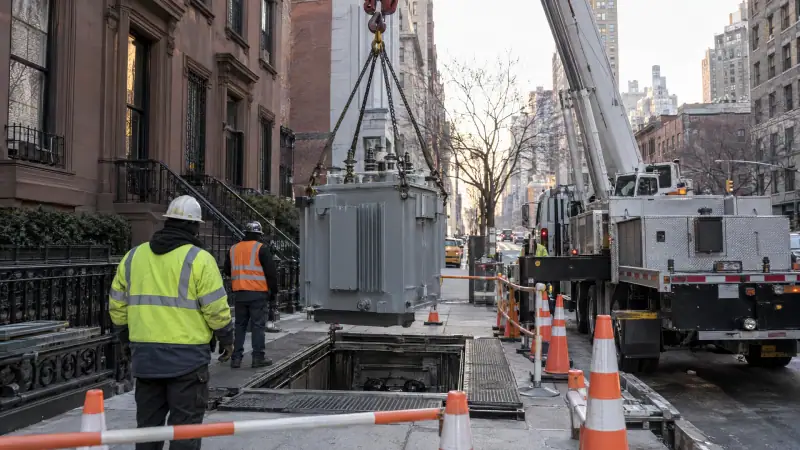
A transformer that cannot leave through an interior route may need a planned lift through a hatch or other suitable opening. That plan should identify the load, lifting points, equipment, landing area, and clearances. Do not assume an existing sidewalk hatch or vault opening is suitable for lifting simply because the transformer originally entered there.
NYC Department of Buildings rules govern crane operations and rigging, including when a licensed Master Rigger is required. Have the rigging contractor confirm the applicable license, filings, permits, and any exemptions under current DOB requirements before scheduling a lift.
Crane placement, street occupancy, and sidewalk work may also require NYC Department of Transportation permits or approvals. Check the current requirements for the proposed location and scope; this is general planning information, not legal advice.
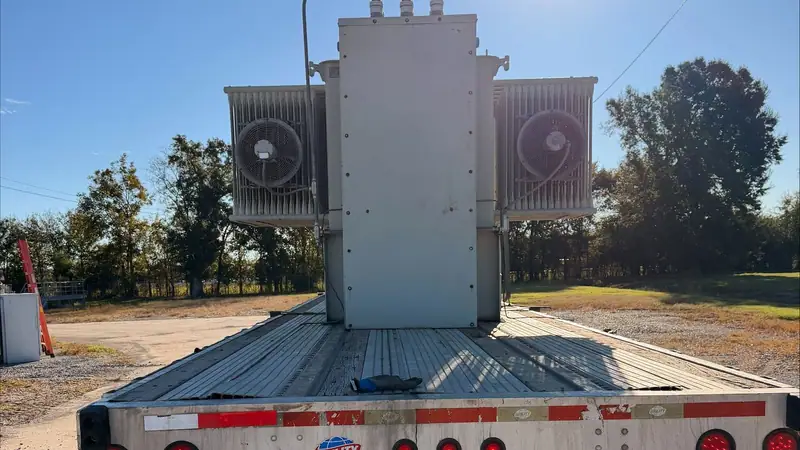
We coordinate rigging and trucking around the agreed access plan. Before fixing a pickup date, tell us who is handling permits, traffic or pedestrian controls, and building approvals. Our New York City pickup information explains our service area; we come to the seller rather than operating a public NYC drop-off yard.
Document fluid condition before moving an oil-filled unit
For an oil-filled transformer in a basement or vault, send photos of the tank, valves, radiators, fluid labels, and any visible leaks. Tell us the fluid type if known: mineral oil, natural ester such as FR3, or silicone. Include PCB labels and available laboratory records rather than guessing from the transformer’s age.
Our PCB testing and label guide explains the information to gather. Confirm current handling, transport, and disposal requirements with the responsible contractors; an offer to buy the equipment is not a determination of its regulatory status.
Report fire damage, a cracked tank, missing components, or fluid that has already been drained. These details affect handling and the equipment review. If oil test reports or dissolved gas analysis results are available, send them with the nameplate photos. We also review failed and damaged units through our scrap transformer buying service, with condition and fluid status considered before pickup arrangements are agreed.
Align the offer, building schedule, and loading responsibilities
Send the equipment information and access photos together so we can review the transformer alongside the work needed to collect it. Call or text 951-403-5738, or use our online offer form. Include the borough, building location, floor or cellar level, ownership status, and your target removal date.
Tell us about freight elevator reservations, loading dock hours, tenant restrictions, and any required night or weekend work. We use those constraints when coordinating pickup; the work window must also fit the availability and approvals of the building, electrical contractor, rigging crew, and trucking provider.
After reviewing type, size, voltages, age, condition, fluid status, and available test data, we provide a written offer. We then agree on who supplies rigging or lifting equipment and how the truck will be loaded. You can load the transformer if you prefer, provided the arrangement is agreed beforehand.
At pickup, we perform a quick inspection to confirm the unit matches the photos and description. Payment is by check, ACH, or wire under the agreed terms. Identify permit, disconnection, rigging, and loading responsibilities before committing to the removal schedule.
Questions sellers ask about NYC Building Removals
Who buys transformers removed from NYC buildings?
We buy building-owned electrical transformers in New York City, including used, decommissioned, failed, and scrap units. Send nameplate photos, condition details, and pictures of the removal route. We review the equipment, provide a written offer, and coordinate pickup under an agreed plan. Utility-owned units are not available for property owners to sell.
Can you pick up a transformer from a Manhattan basement?
We coordinate basement pickups after reviewing access and handling requirements. Send transformer dimensions, documented weight if available, door openings, corridor turns, stairs, and freight elevator details. A constrained route may require specialized rigging or a planned lift. The responsible contractors must verify route capacity and applicable permits before the move.
Do I need a licensed Master Rigger for NYC transformer removal?
NYC DOB rules determine when a licensed Master Rigger is required for crane hoisting and rigging. The answer depends on the equipment and scope of work, including applicable exemptions. Have your rigging contractor confirm current licensing and permit requirements, along with any NYC DOT approvals for street occupancy or sidewalk work.
Does Con Edison need to disconnect the transformer before removal?
If removal affects utility service, coordinate disconnect and restoration requirements with Con Edison. Your qualified electrical contractor should determine the building-side isolation work and verify that the transformer is de-energized before handling. Confirm ownership first: a transformer owned by Con Edison belongs to the utility, even if it is located at your property.